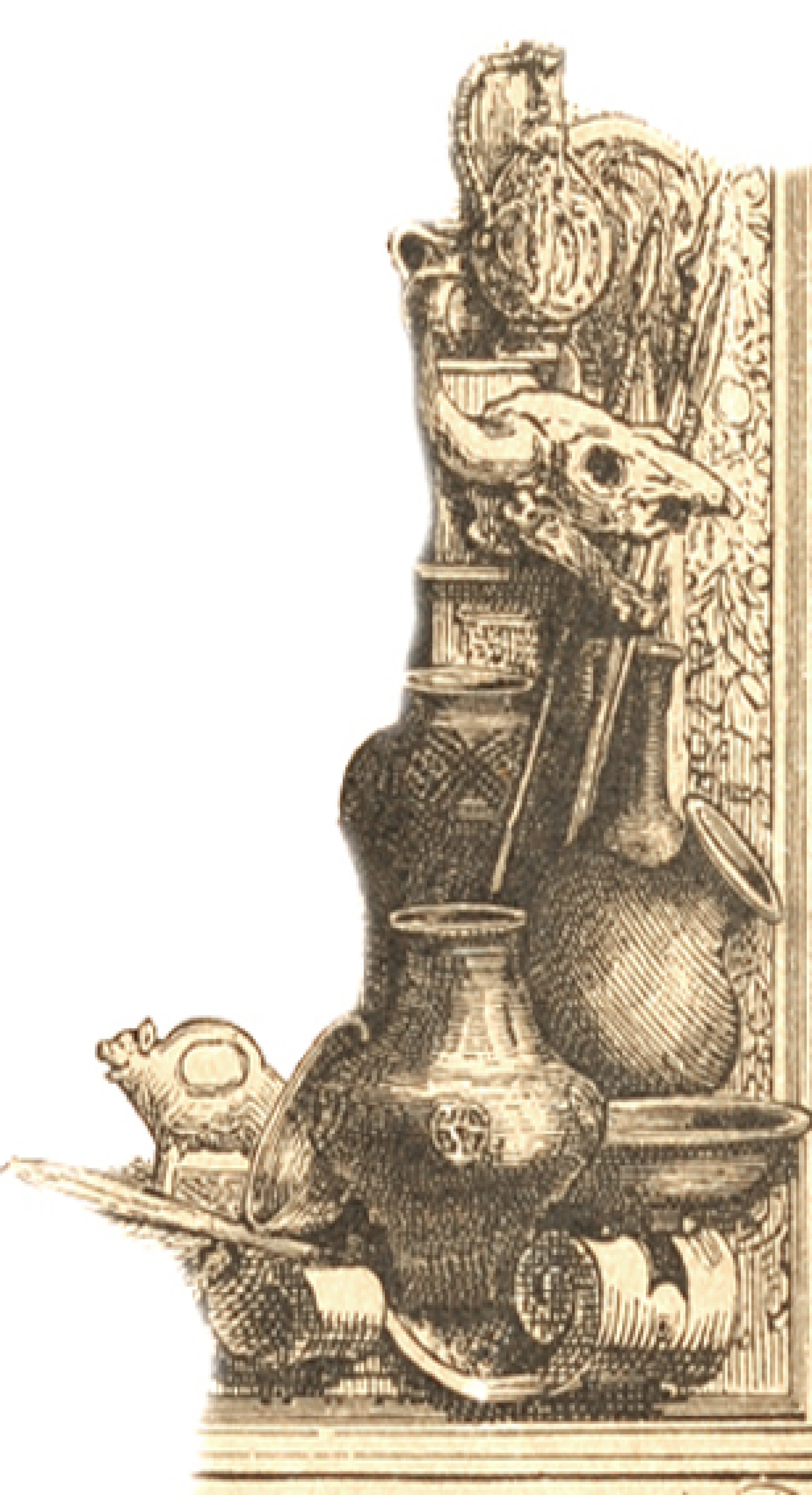
The collection is based on old imperial collections, in particular the former Cabinet of Coins and Antiquities. This cabinet comprising vases, medals, cameos and other acquisitions by imperial princes already contained finds from Hallstatt, Peschiera and Swiss pile dwellings.
It was Ferdinand von Hochstetter who was commissioned with the organisational planning of the museum, which was to be dedicated to "the kingdom of nature and its exploration". The geologist, who also made a name for himself through his anthropological research, set up an anthropological-ethnographic department alongside the departments dedicated to traditional natural sciences. The objects from the Cabinet of Coins and Antiquities were combined with numerous donations from the Anthropological Society in Vienna and became the prehistoric collection.
The prehistoric collection is divided up into several individual collections. These are:- Palaeolithic collection
- Neolithic collection
- Bronze Age collection
- Early Iron Age collection
- Late Iron Age collection
- Early History collection
- Collection of gold objects
- Prehistoric mining collection
- Caucasus collection
- Prehistoric textiles collection
The collection recorded its strongest growth in the decades leading up to the First World War. Under Josef Szombathy objects from throughout the Habsburg monarchy were excavated or purchased and brought to the museum with the intention of gathering together objects from all cultural and historical periods of the empire.
The collection is still growing today. Finds from excavations carried out by the department's team of researchers continue to add new and unique objects from the past.