Voices of Nature
Song Contest of the animals
until 08. September 2026
An audio-guided tour through the exhibition halls on level 2.
Around the Eurovision Song Contest, the Museum of Natural History connects Vienna with Voices of Nature. Song Contest often the animals" biodiversity and musical diversity in an unusual way: 35 animals each represent one participating country, an audio guide with animal voices accompanied by the Biological Showrooms on level 2 – complemented by a vote for the favourite animal and interactive social media moments.
Each animal has a link to the participating country of the ESC. The label is in German, English and in the respective national language, recognizable by the national flag. A QR code offers the opportunity to experience the object audibly on your own smartphone. An orientation plan will be drawn up. Voting + Selfies on Instagram under #nhmvoices.
“The Eurovision Song Contest stands for diversity on stage, in the audience and in nature. Not only humans, but also animals have the most diverse voices and expressions. As a Natural History Museum, we not only stand for the knowledge of nature and animals from different countries, but we are also a place to celebrate and preserve diversity. We are pleased to be part of the inspiring event even without a dance licence", emphasises Director General Dr Katrin Vohland with regard to the Austrian candidate COSMÓ.
Participants:
01 Estonia | Golden jackal
02 Norway | Wolf
03 Finland | Wolverine
04 Luxembourg | Raccoon
05 Albania | Brown bear
06 Sweden | Eurasian lynx
07 Germany | Grey seal
08 Ukraine | Saiga
09 Czechia | Moose
10 Azerbaijan | East Caucasian tur
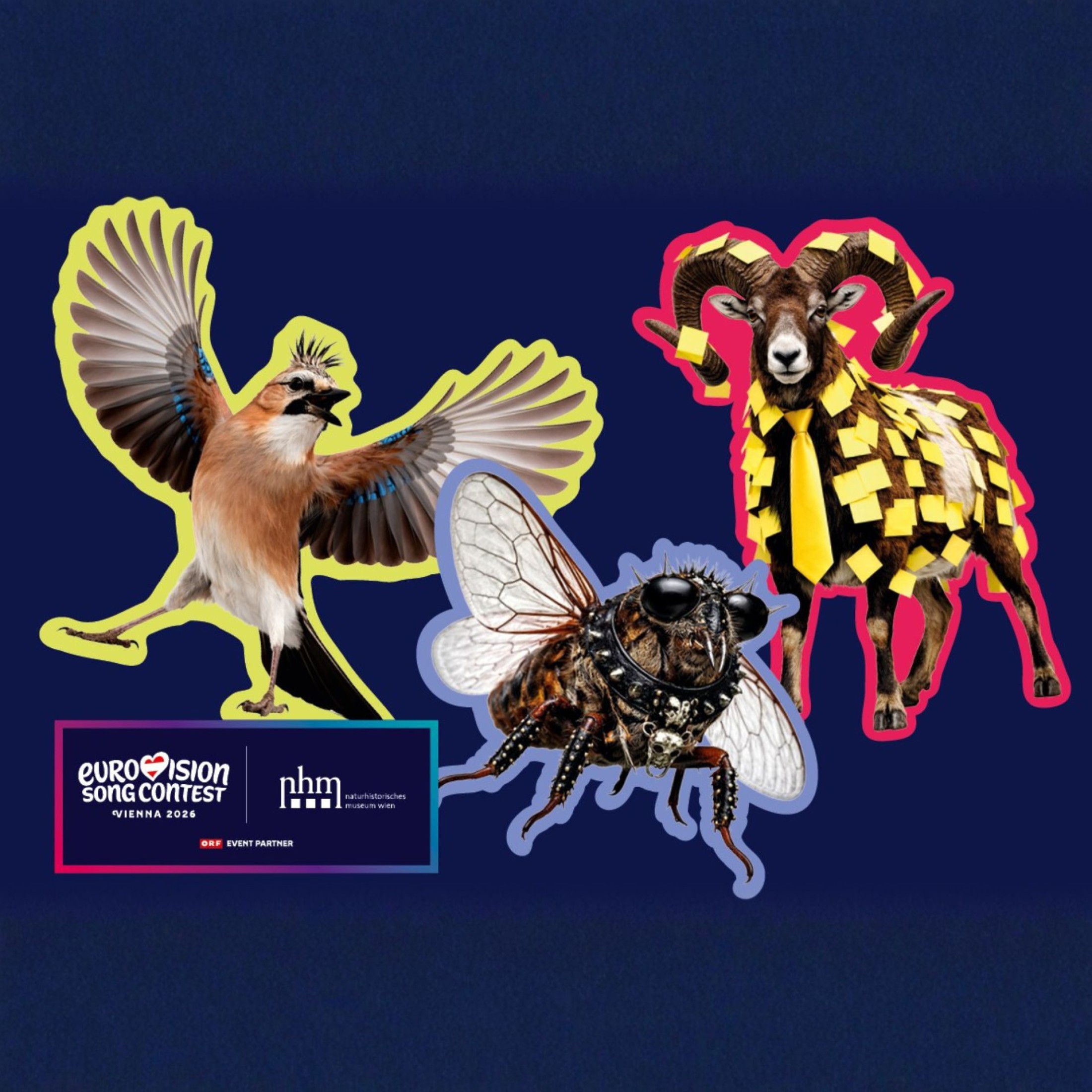
11 Armenia | Armenian mouflon
12 Moldova | European nightjar
13 Poland | European bison
14 United Kingdom | Eurasian jay
15 Montenegro | Black woodpecker
16 Denmark | Bowhead whale
17 Portugal | Orca
18 Kroatien | Fin whale
19 Switzerland | Alpine marmot
20 Italy | Crested porcupine
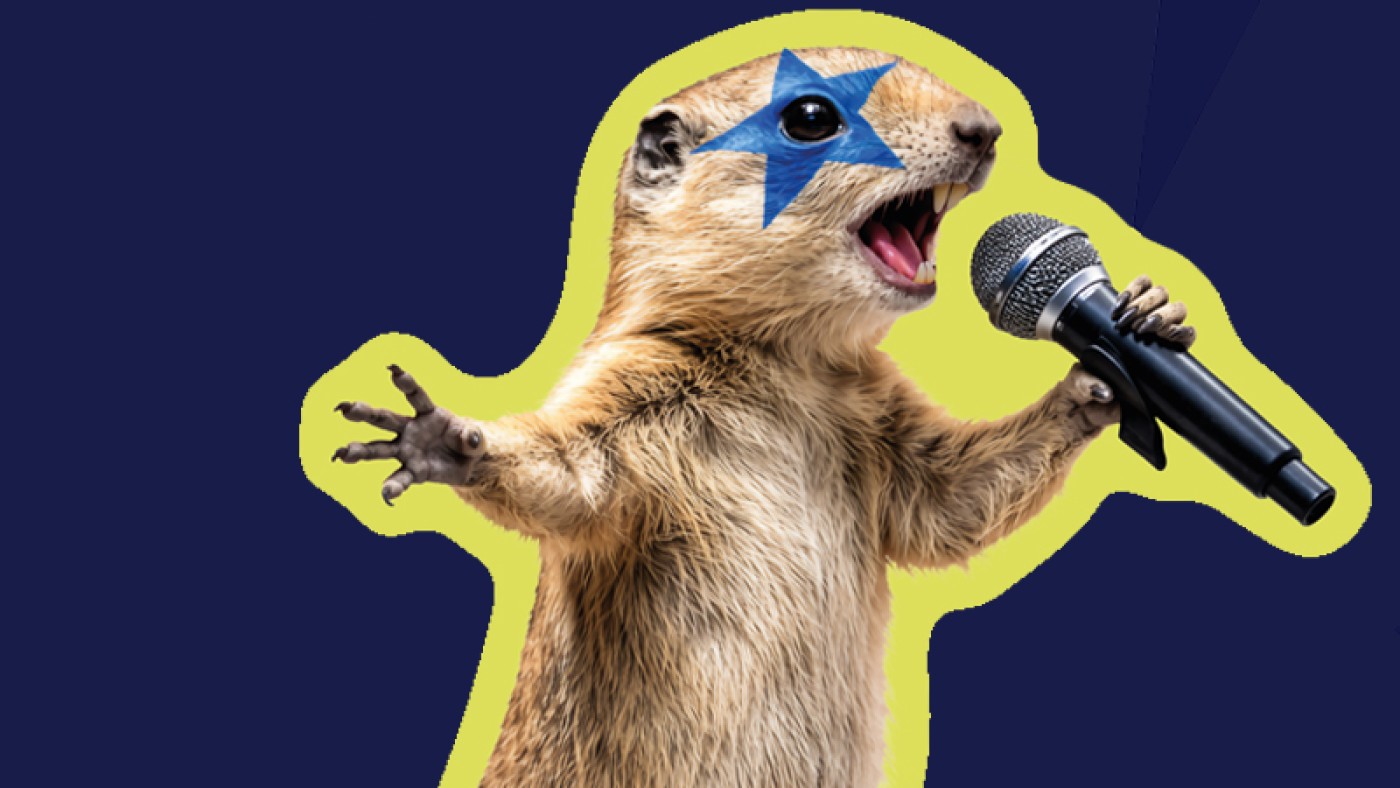
21 Austria | European ground squirrel
22 Malta | Etruscan shrew
23 San Marino | Common bent-wing bat
24 Lithuania | Nathusius's pipistrelle
25 Cyprus | Egyptian fruit bat
26 Australia | Tasmanian devil
27 Serbia | Red cicada
28 Belgium | Field cricket
29 Georgia | Western honeybee
30 Romania | Drumming wolf spider
31 Bulgaria | Tub gurnard
32 Latvia | Moor frog
33 Israel | Kotschy's gecko
34 Greece | Hermann's tortoise
35 France | Agile frog
Each animal has a link to the participating country of the ESC. The label is in German, English and in the respective national language, recognizable by the national flag. A QR code offers the opportunity to experience the object audibly on your own smartphone. An orientation plan will be drawn up. Voting + Selfies on Instagram under #nhmvoices.
“The Eurovision Song Contest stands for diversity on stage, in the audience and in nature. Not only humans, but also animals have the most diverse voices and expressions. As a Natural History Museum, we not only stand for the knowledge of nature and animals from different countries, but we are also a place to celebrate and preserve diversity. We are pleased to be part of the inspiring event even without a dance licence", emphasises Director General Dr Katrin Vohland with regard to the Austrian candidate COSMÓ.
Listen to: “Voices of Nature”
Participants:
01 Estonia | Golden jackal
02 Norway | Wolf
03 Finland | Wolverine
04 Luxembourg | Raccoon
05 Albania | Brown bear
06 Sweden | Eurasian lynx
07 Germany | Grey seal
08 Ukraine | Saiga
09 Czechia | Moose
10 Azerbaijan | East Caucasian tur
11 Armenia | Armenian mouflon
12 Moldova | European nightjar
13 Poland | European bison
14 United Kingdom | Eurasian jay
15 Montenegro | Black woodpecker
16 Denmark | Bowhead whale
17 Portugal | Orca
18 Kroatien | Fin whale
19 Switzerland | Alpine marmot
20 Italy | Crested porcupine
21 Austria | European ground squirrel
22 Malta | Etruscan shrew
23 San Marino | Common bent-wing bat
24 Lithuania | Nathusius's pipistrelle
25 Cyprus | Egyptian fruit bat
26 Australia | Tasmanian devil
27 Serbia | Red cicada
28 Belgium | Field cricket
29 Georgia | Western honeybee
30 Romania | Drumming wolf spider
31 Bulgaria | Tub gurnard
32 Latvia | Moor frog
33 Israel | Kotschy's gecko
34 Greece | Hermann's tortoise
35 France | Agile frog