Good Collecting – Bad Collecting
150 Years of the Natural History Museum Vienna
until 27. June 2027
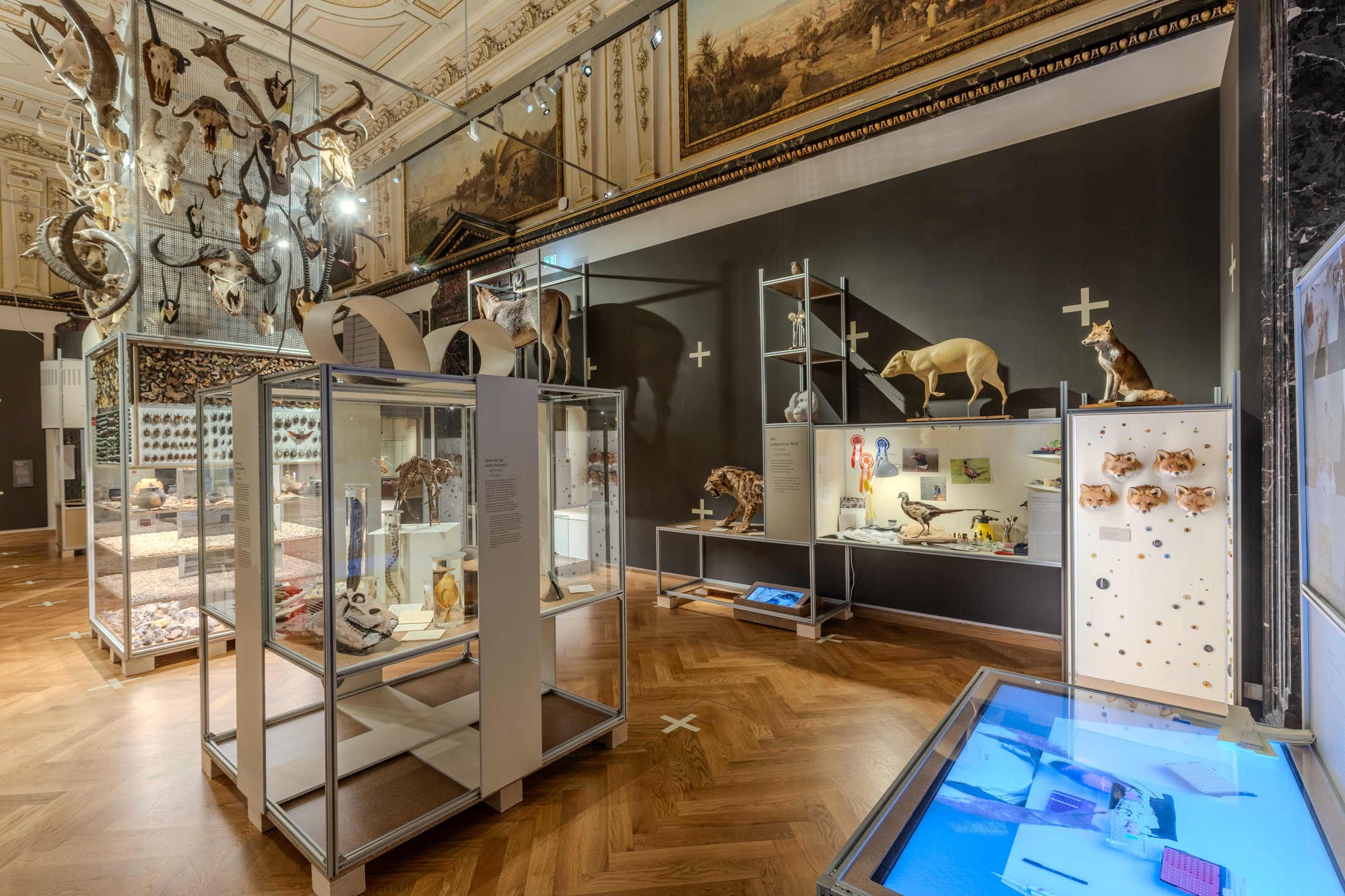
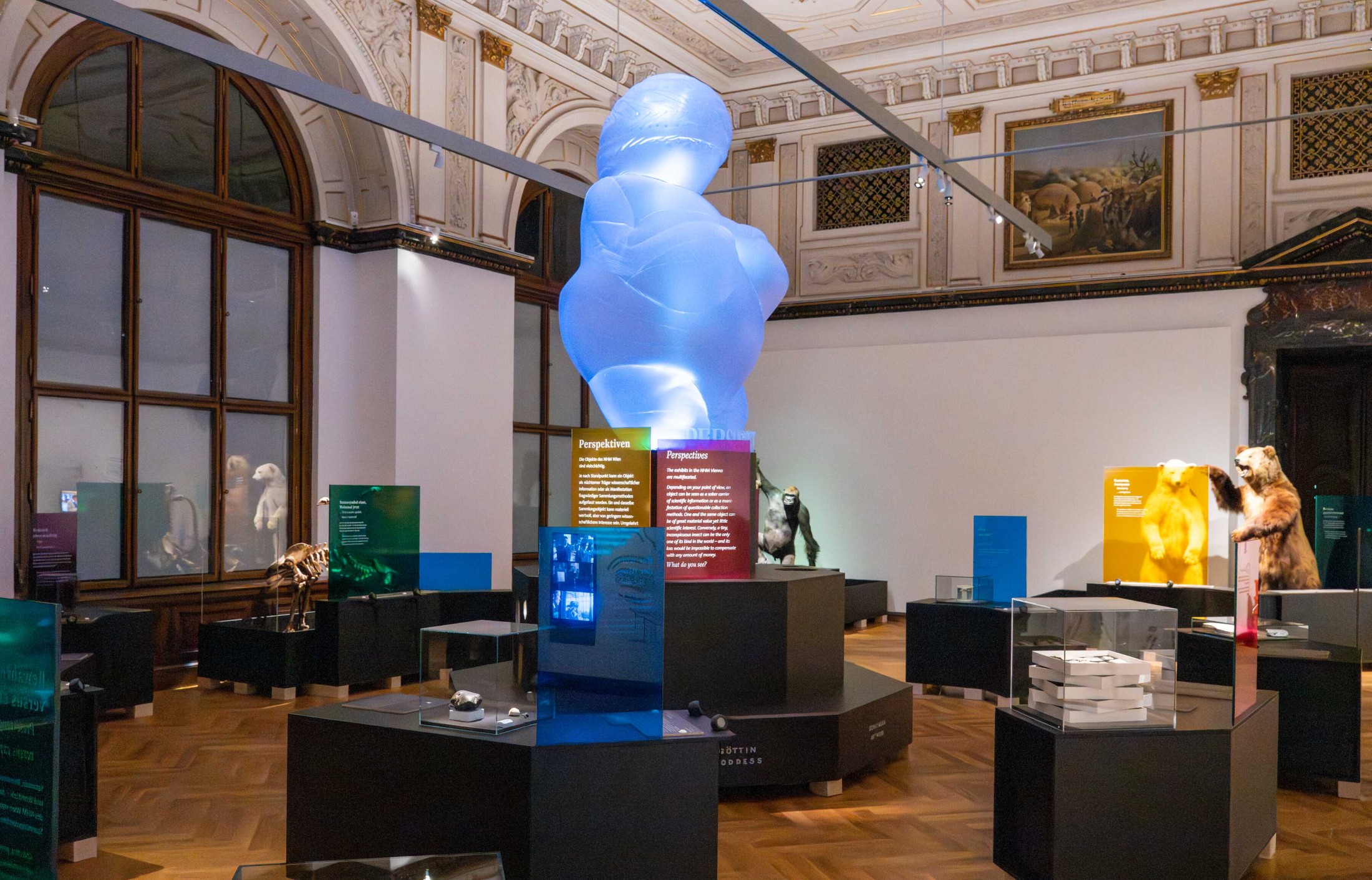
Special exhibition in the cabinets and special exhibition halls on the 1st floor.
On 29 April 1876 Emperor Franz Joseph I signed the legal documents establishing the Natural History Museum Vienna, and on 30 April 1876 he appointed the geologist Ferdinand von Hochstetter as its first director. At that time, the museum building on Vienna's Ringstrasse was already under construction – it was finally opened in August 1889.
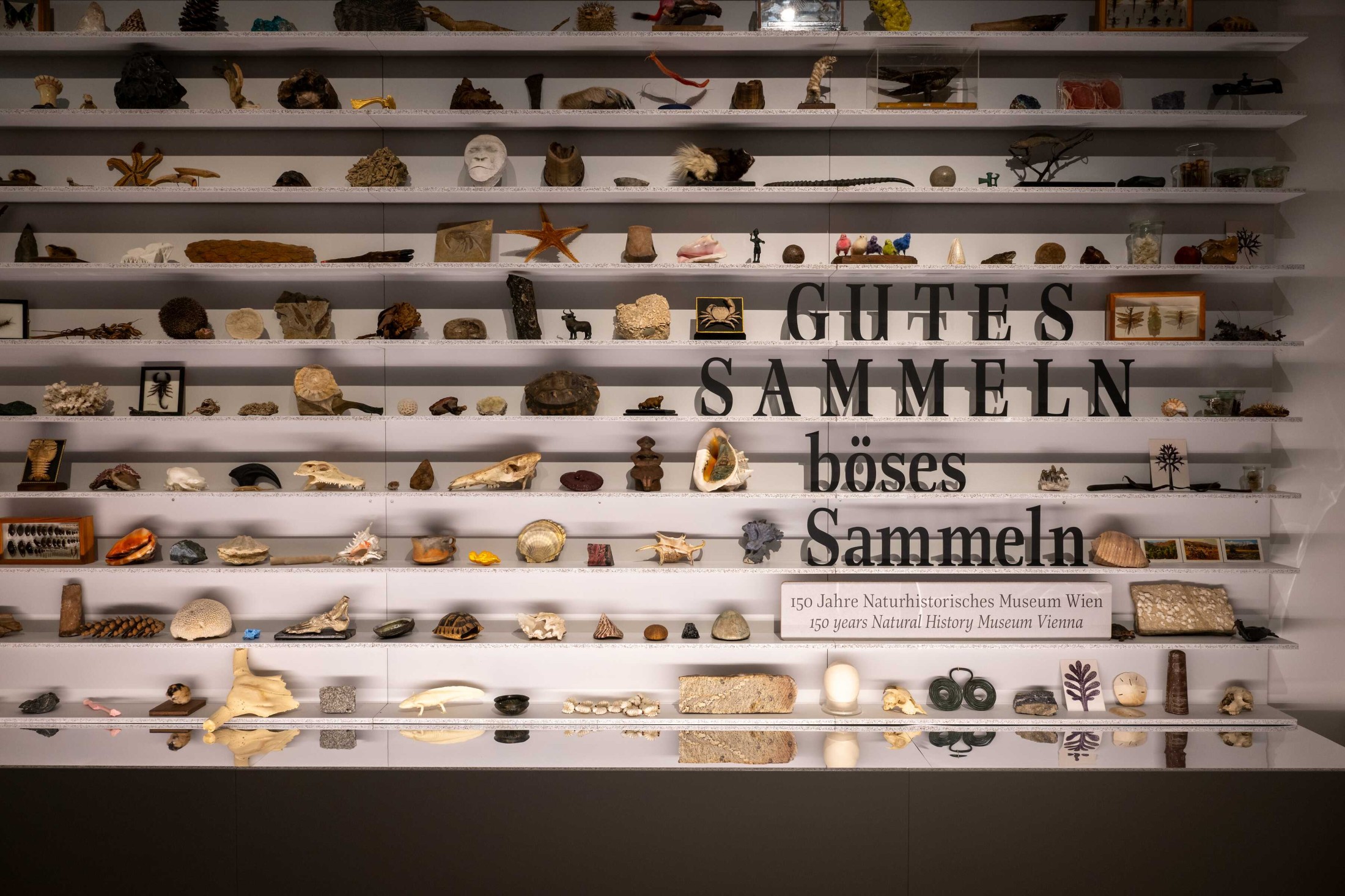
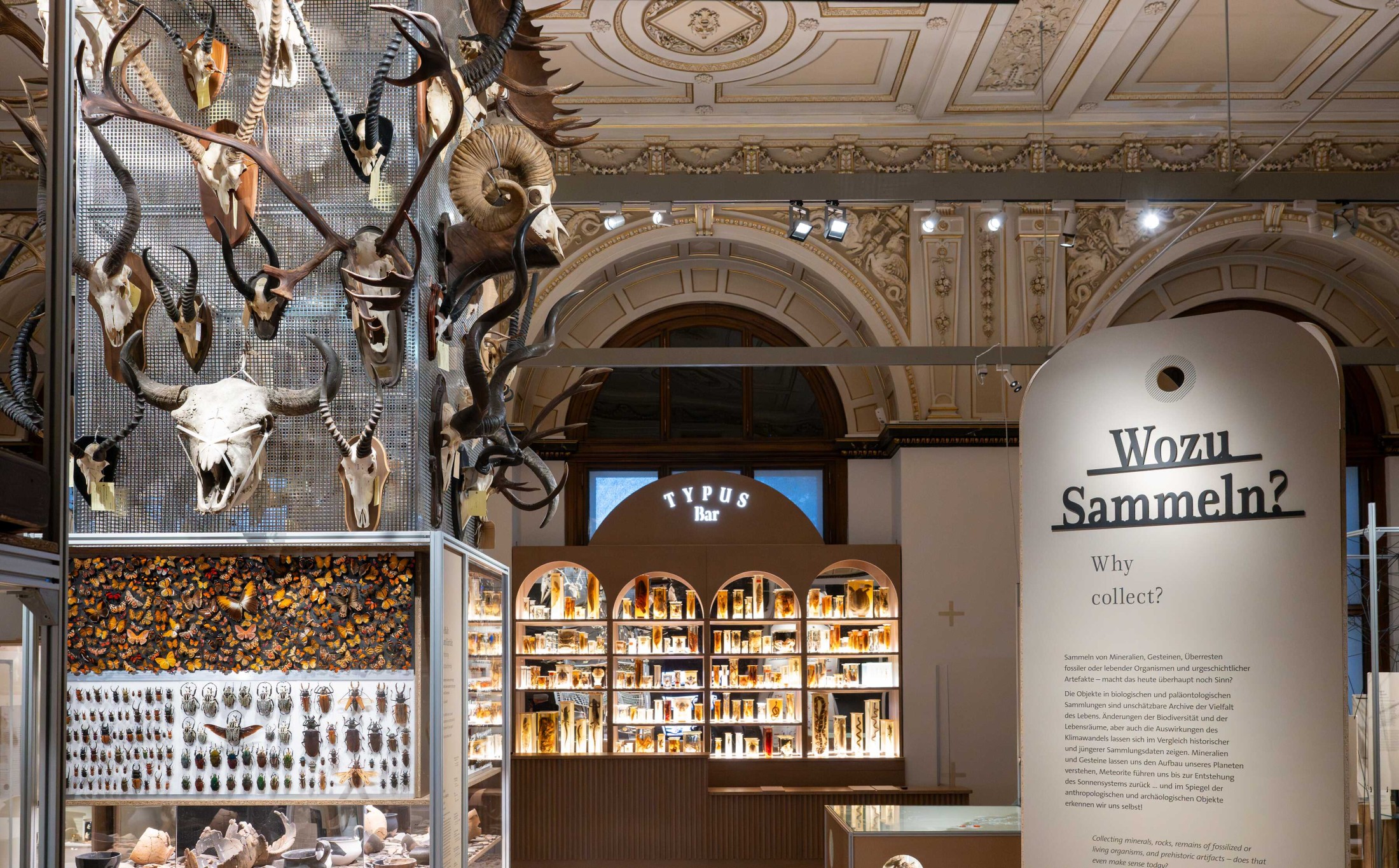
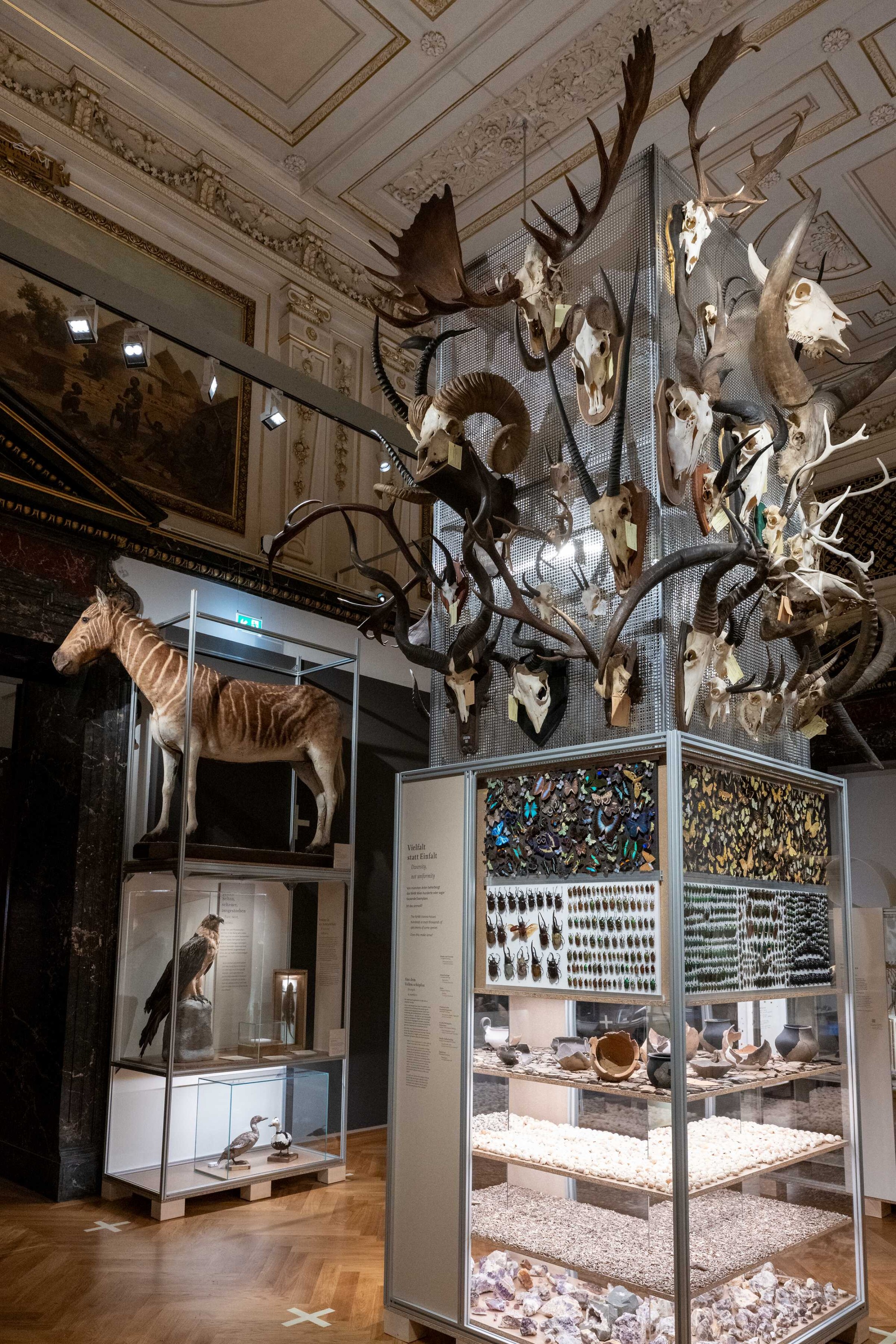
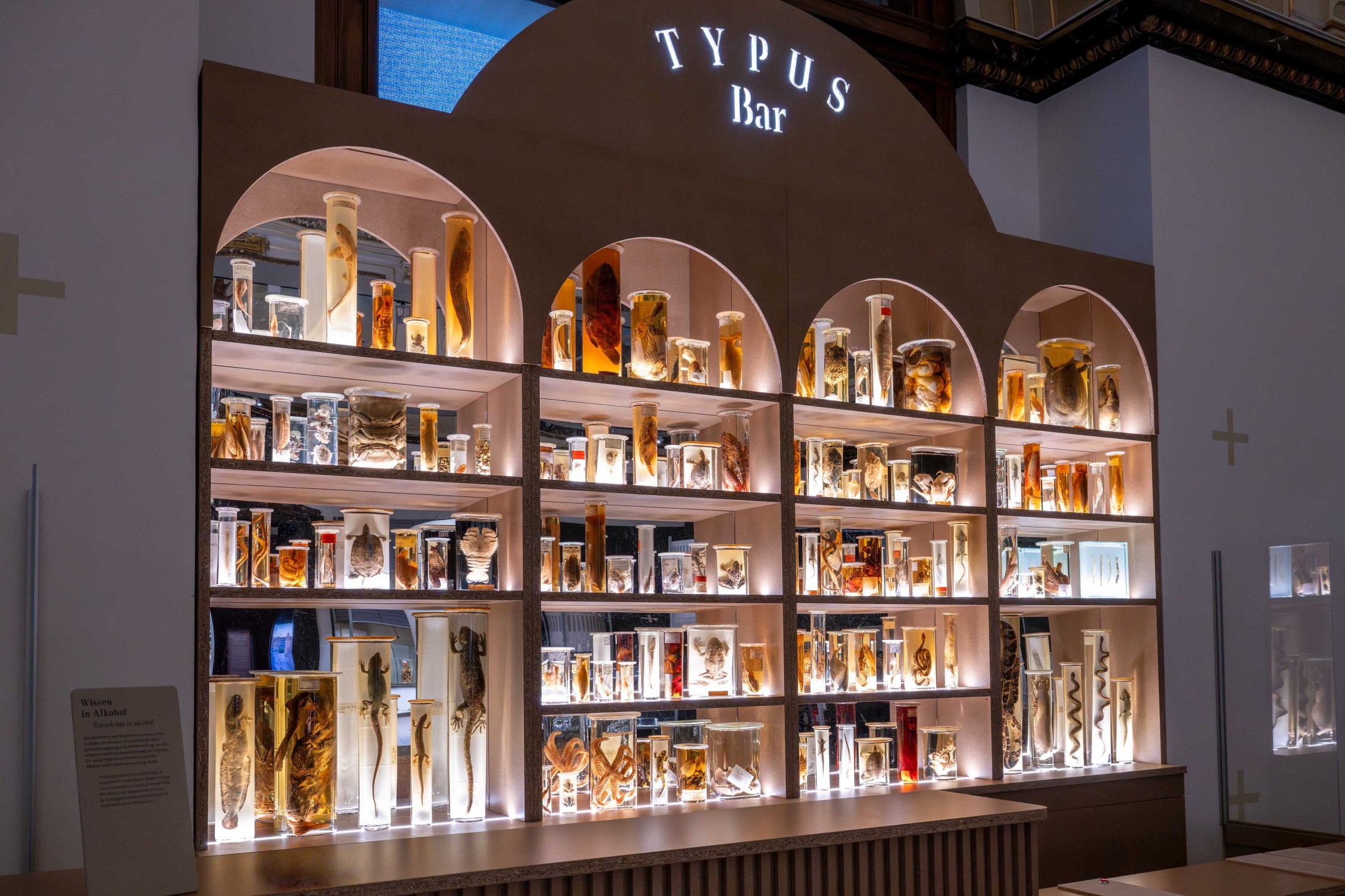
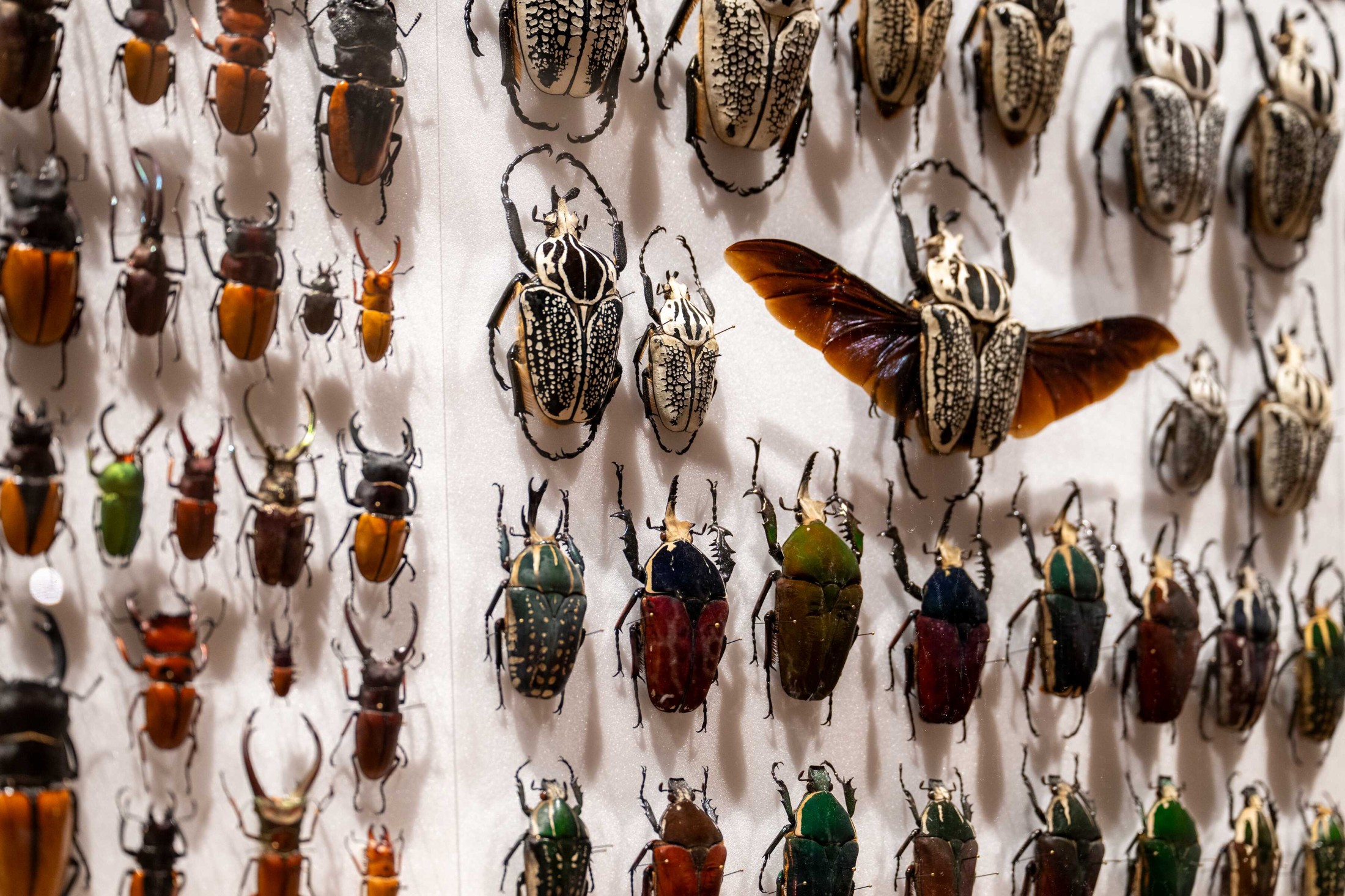
Today, the museum houses one of the world's most important natural science collections with more than 30 million objects. The NHM Vienna is a unique archive for the origin and development of the Earth and life. It documents the history and structure of our planet, shows the diversity of life on Earth, and provides insight into the development of humankind. Like no other natural history museum, it explores the entire spectrum of nature in the past and in the present through biological, geological, paleontological, mineralogical, anthropological, prehistoric, and historico-cultural objects. Only a fraction of these objects is on display in the exhibition halls.
The museum looks back on a history of its collections spanning more than 270 years, dating all the way from the mid-18th century. Around 1750 Emperor Franz Stephan of Lorraine acquired a private collection of 30,000 objects. But how did this ‘original collection’ grow into today's museum, which has expanded a thousandfold and become a unique archive of life and the Earth?
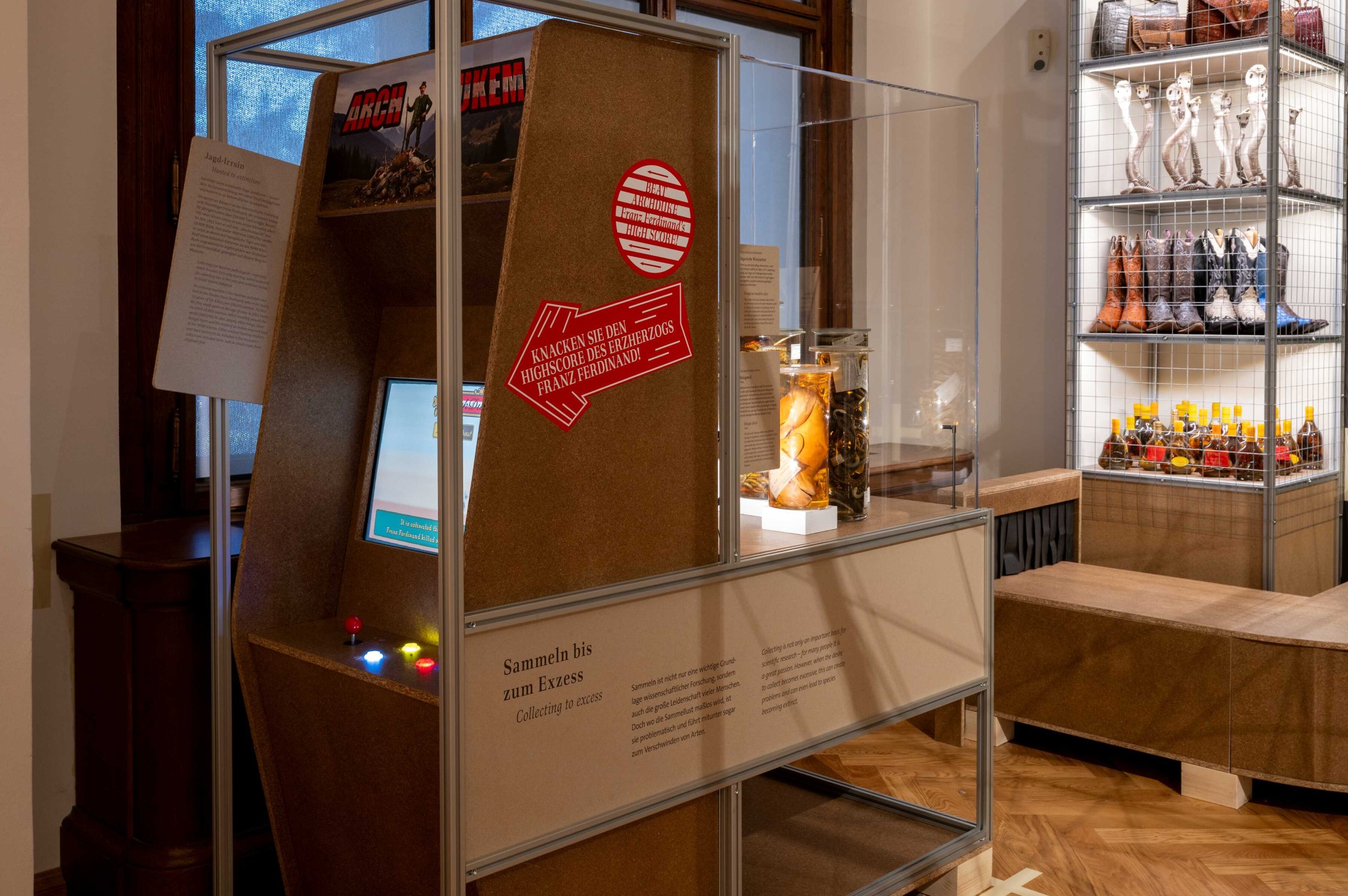
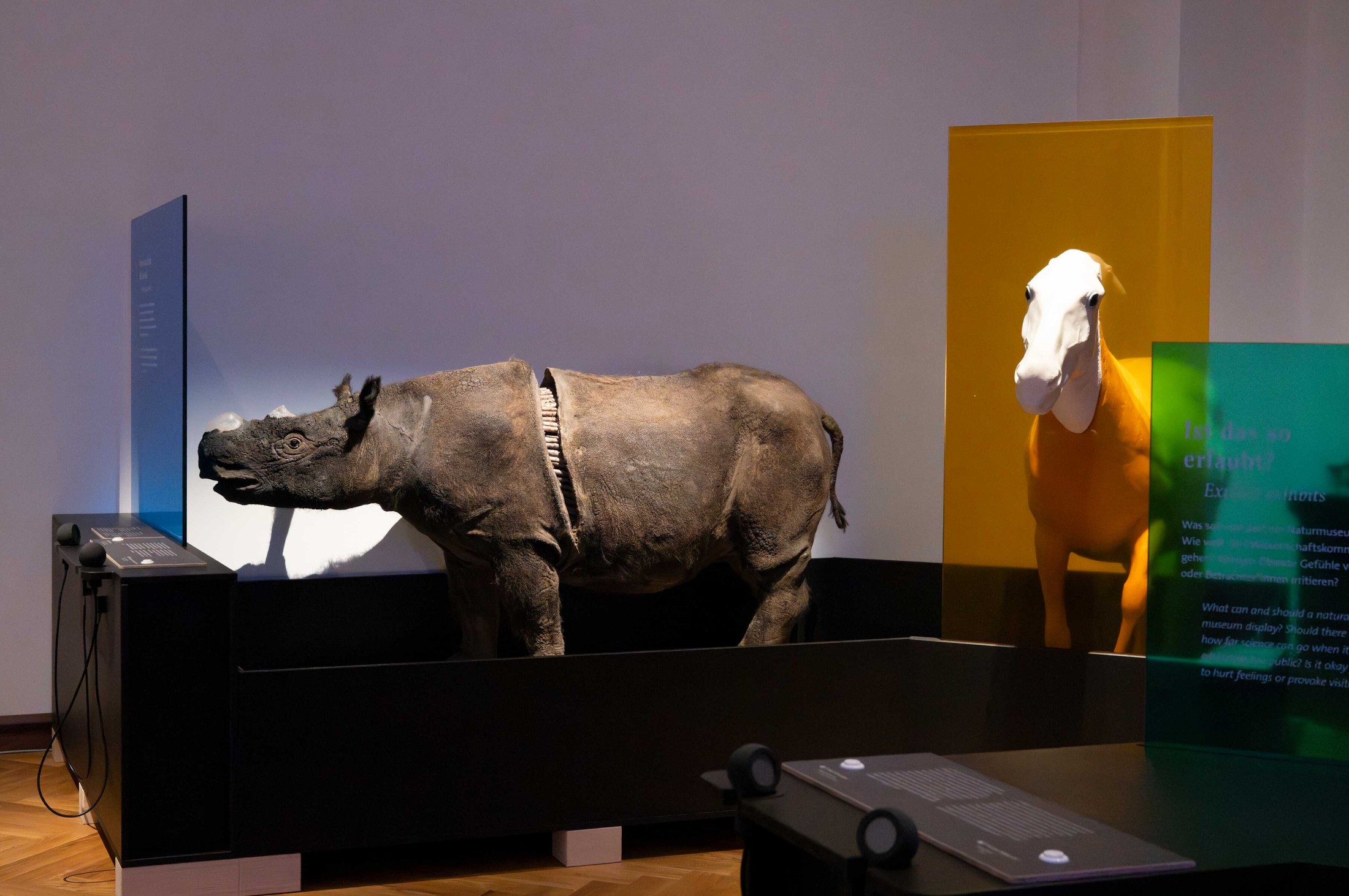
This exhibition aims to provide answers to these questions. At the same time, it casts a critical eye on the history of the NHM Vienna – the boundless enthusiasm for collecting, discovering, and researching also had its dark sides.
Today, the museum houses one of the world's most important natural science collections with more than 30 million objects. The NHM Vienna is a unique archive for the origin and development of the Earth and life. It documents the history and structure of our planet, shows the diversity of life on Earth, and provides insight into the development of humankind. Like no other natural history museum, it explores the entire spectrum of nature in the past and in the present through biological, geological, paleontological, mineralogical, anthropological, prehistoric, and historico-cultural objects. Only a fraction of these objects is on display in the exhibition halls.
The museum looks back on a history of its collections spanning more than 270 years, dating all the way from the mid-18th century. Around 1750 Emperor Franz Stephan of Lorraine acquired a private collection of 30,000 objects. But how did this ‘original collection’ grow into today's museum, which has expanded a thousandfold and become a unique archive of life and the Earth?
This exhibition aims to provide answers to these questions. At the same time, it casts a critical eye on the history of the NHM Vienna – the boundless enthusiasm for collecting, discovering, and researching also had its dark sides.