
First discovery of the land planar Obama nungara in Austria – does it threaten our soils?
17. November 2025
A introduced flatworm from South America could affect the native soil ecosystem as predators of earthworms and snails.
[Translated by eTranslation]
Researchers at the Natural History Museum Vienna and the University of Innsbruck are reporting for the first time the confirmed evidence of the imported and potentially invasive land planar species Obama nungara in Austria. Between November 2022 and August 2024, four specimens were discovered in a nursery near Tulln (Lower Austria).
The genetic analysis carried out by the first author of the study, Matthäus Greilhuber, at the Natural History Museum Vienna showed that it is clearly Obama nungara – a species originating from South America that is currently spreading rapidly in Europe. The generic name Obama has nothing to do with the former US president, but derives from the language Tupi (an indigenous language of Brazil). Literally, Obama means "leaf animal", alluding to the flattened, leaf-shaped body shape of the animals.
Obama nungara is one of the landplanars, a group of terrestrial flatworms with about 900 known species worldwide. They prefer to live in moist soil layers, under stones, wood or foliage and are predominantly nocturnal predators. Their prey includes earthworms, nudibranchs, insect larvae and Asseln. Hardly any other animal seems to eat the planaria, which gives them a dominant role as soil predators.
Exotic landplanars such as Obama nungara also attract attention for their spectacular size and often bright colours for flatworms – the animals found were over 5 cm in length. Their appearance is characterized by a tampered pattern of indistinct longitudinal stripes and the presence of a variety of small eyes. "Despite their status as a non-native species, they are beautiful, fascinating animals – like flatworms in general", Greilhuber is convinced.
While there are also native landplanars in Central Europe, Obama nungara is originally from South America. "Their spread in Europe, in particular through the trade in ornamental plants, has been documented several times in recent years, including in France and Italy, where numerous introduced species have been detected in each case," explains Greilhuber. "Our genetic analysis has shown that the animals found belong to a lineage that originates in Argentina and is currently spreading far across Europe – so we believe it is likely that the animals have reached Austria via the plant trade with other European countries", explains co-author Elisabeth Haring, former director of the Central Research Laboratories of the NHM Vienna and the museum, who continues to be associated as a guest scientist.
Introduced species – so-called neobiota – are organisms that appear outside their natural range through human activities. ‘Invasive’ means those introduced species that have been shown to have a negative impact on native ecosystems and biodiversity. According to the World Biodiversity Council IPBES (2023), invasive species are today among the greatest threats to biodiversity, the functioning of ecosystems and ultimately to human well-being.
Since Obama nungara is considered particularly adaptable and is considered problematic due to the risk of impact on earthworm populations in Europe, the first evidence in Austria is of great importance. The species could affect soil quality in the long term, as earthworms play a central role in the nutrient cycle and soil structure. Researchers in France collected over 1,500 individuals of Obama nungara from a single garden within a month. This proves that the species can sometimes reach high densities in its new habitats. "With such high densities, it is obvious that there will be a significant impact on the populations of prey animals," says Greilhuber. "The fact that earthworms – which are essential for soil quality – are among the preferred prey animals is a cause for concern. However, ecological studies that directly investigate the influence on the populations of prey animals are still pending", says co-author Bernhard Egger from the Institute of Zoology at the University of Innsbruck.
According to distribution models, Austria is on the eastern edge of the area suitable for the species. It will turn out whether Obama nowgara copes well with Austria's more continental climate compared to Western European countries, where the European distribution focus is currently, and will spread successfully in Austria. However, dissemination models under climate change scenarios predict that with global warming, suitable habitats for Obama nungara will also be increasingly available in Austria.
The Fund underlines the need for targeted monitoring and early action against invasive species, especially in the context of increasing global trade in plants and other goods. Sightings should in any case be documented photographically and reported on nature observation platforms or to experts.
View the study: https://www.reabic.net/journals/bir/2025/4/BIR_2025_Greilhuber_etal.pdf
Scientific inquiry note:
Matthew Greilhuber, MSc
https://www.nhm.at/matthaeus__greilhuber
Tel.: +43 (1) 521 77-332 I matthaeus.greilhuber@nhm.at
General request for information:
Mag. Irina Kubadinow
Head of Press & Public Relations, Press Spokesperson
https://www.nhm.at/irina_kubadinow
Tel.: + 43 (1) 521 77-410 I irina.kubadinow@nhm.at
Mag. Klara Vakaj
Press officer
https://www.nhm.at/klara_vakaj
Tel.: + 43 (1) 521 77-626 I klara.vakaj@nhm.at
Researchers at the Natural History Museum Vienna and the University of Innsbruck are reporting for the first time the confirmed evidence of the imported and potentially invasive land planar species Obama nungara in Austria. Between November 2022 and August 2024, four specimens were discovered in a nursery near Tulln (Lower Austria).
The genetic analysis carried out by the first author of the study, Matthäus Greilhuber, at the Natural History Museum Vienna showed that it is clearly Obama nungara – a species originating from South America that is currently spreading rapidly in Europe. The generic name Obama has nothing to do with the former US president, but derives from the language Tupi (an indigenous language of Brazil). Literally, Obama means "leaf animal", alluding to the flattened, leaf-shaped body shape of the animals.
Obama nungara is one of the landplanars, a group of terrestrial flatworms with about 900 known species worldwide. They prefer to live in moist soil layers, under stones, wood or foliage and are predominantly nocturnal predators. Their prey includes earthworms, nudibranchs, insect larvae and Asseln. Hardly any other animal seems to eat the planaria, which gives them a dominant role as soil predators.
Exotic landplanars such as Obama nungara also attract attention for their spectacular size and often bright colours for flatworms – the animals found were over 5 cm in length. Their appearance is characterized by a tampered pattern of indistinct longitudinal stripes and the presence of a variety of small eyes. "Despite their status as a non-native species, they are beautiful, fascinating animals – like flatworms in general", Greilhuber is convinced.
While there are also native landplanars in Central Europe, Obama nungara is originally from South America. "Their spread in Europe, in particular through the trade in ornamental plants, has been documented several times in recent years, including in France and Italy, where numerous introduced species have been detected in each case," explains Greilhuber. "Our genetic analysis has shown that the animals found belong to a lineage that originates in Argentina and is currently spreading far across Europe – so we believe it is likely that the animals have reached Austria via the plant trade with other European countries", explains co-author Elisabeth Haring, former director of the Central Research Laboratories of the NHM Vienna and the museum, who continues to be associated as a guest scientist.
Introduced species – so-called neobiota – are organisms that appear outside their natural range through human activities. ‘Invasive’ means those introduced species that have been shown to have a negative impact on native ecosystems and biodiversity. According to the World Biodiversity Council IPBES (2023), invasive species are today among the greatest threats to biodiversity, the functioning of ecosystems and ultimately to human well-being.
Since Obama nungara is considered particularly adaptable and is considered problematic due to the risk of impact on earthworm populations in Europe, the first evidence in Austria is of great importance. The species could affect soil quality in the long term, as earthworms play a central role in the nutrient cycle and soil structure. Researchers in France collected over 1,500 individuals of Obama nungara from a single garden within a month. This proves that the species can sometimes reach high densities in its new habitats. "With such high densities, it is obvious that there will be a significant impact on the populations of prey animals," says Greilhuber. "The fact that earthworms – which are essential for soil quality – are among the preferred prey animals is a cause for concern. However, ecological studies that directly investigate the influence on the populations of prey animals are still pending", says co-author Bernhard Egger from the Institute of Zoology at the University of Innsbruck.
According to distribution models, Austria is on the eastern edge of the area suitable for the species. It will turn out whether Obama nowgara copes well with Austria's more continental climate compared to Western European countries, where the European distribution focus is currently, and will spread successfully in Austria. However, dissemination models under climate change scenarios predict that with global warming, suitable habitats for Obama nungara will also be increasingly available in Austria.
The Fund underlines the need for targeted monitoring and early action against invasive species, especially in the context of increasing global trade in plants and other goods. Sightings should in any case be documented photographically and reported on nature observation platforms or to experts.
View the study: https://www.reabic.net/journals/bir/2025/4/BIR_2025_Greilhuber_etal.pdf
Scientific inquiry note:
Matthew Greilhuber, MSc
https://www.nhm.at/matthaeus__greilhuber
Tel.: +43 (1) 521 77-332 I matthaeus.greilhuber@nhm.at
General request for information:
Mag. Irina Kubadinow
Head of Press & Public Relations, Press Spokesperson
https://www.nhm.at/irina_kubadinow
Tel.: + 43 (1) 521 77-410 I irina.kubadinow@nhm.at
Mag. Klara Vakaj
Press officer
https://www.nhm.at/klara_vakaj
Tel.: + 43 (1) 521 77-626 I klara.vakaj@nhm.at
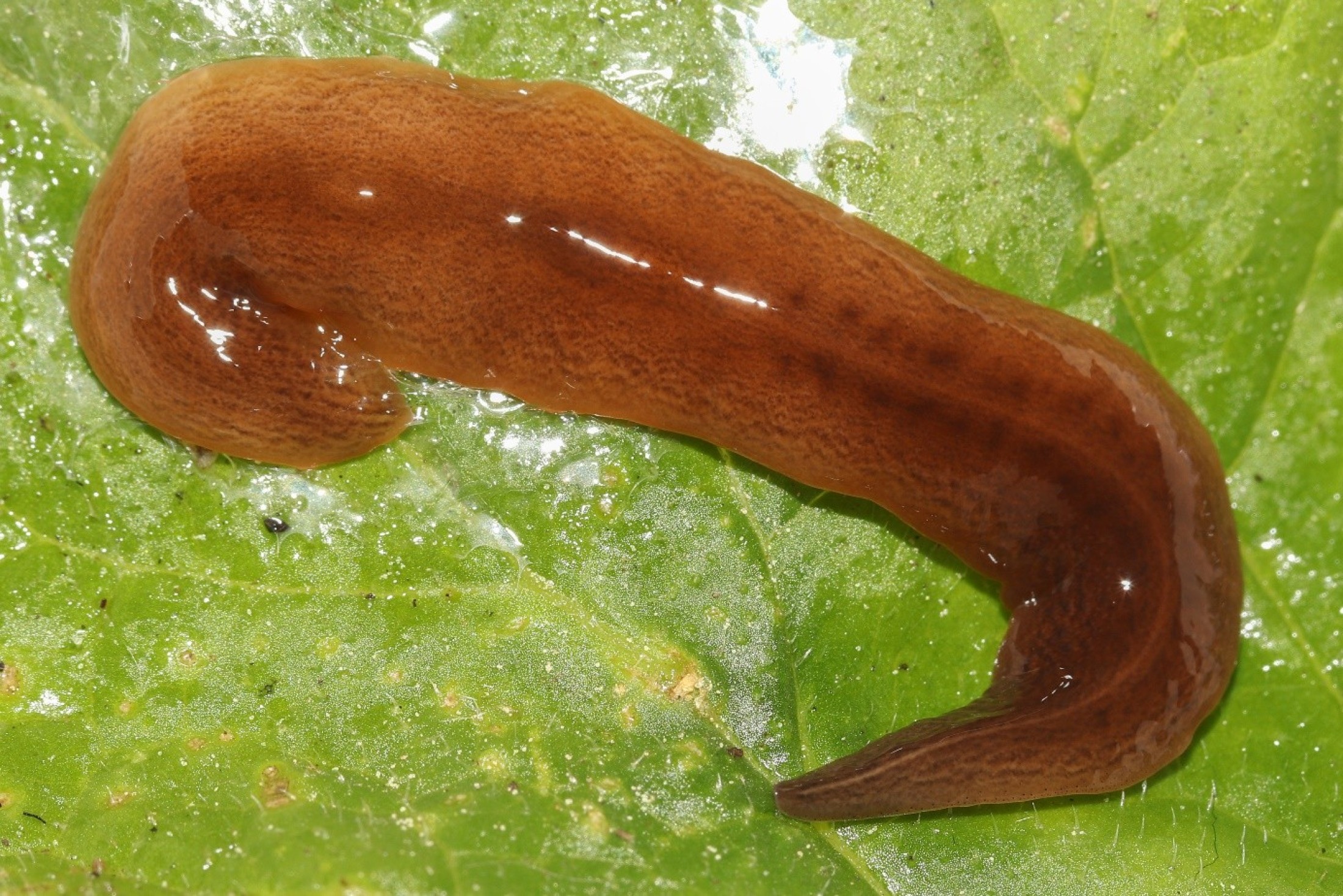
Obama nungara
Specimen of
the flatworm Obama nungara found in Austria. Anterior end, right side.
© NHM
Wien, Matthäus Greilhuber
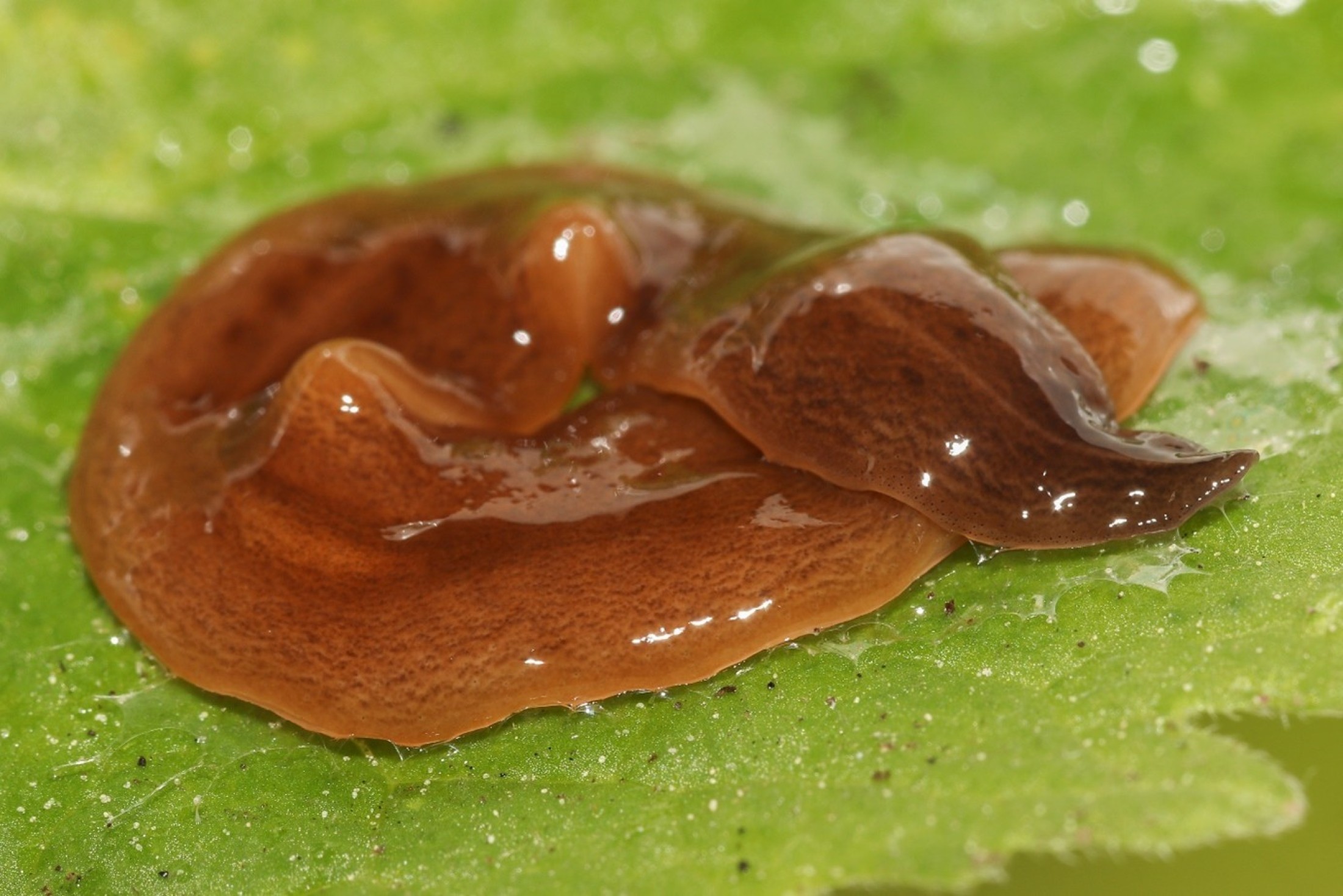
Obama nungara
Specimen of
the flatworm Obama nungara found in Austria. Anterior end, right side.
© NHM
Wien, Matthäus Greilhuber
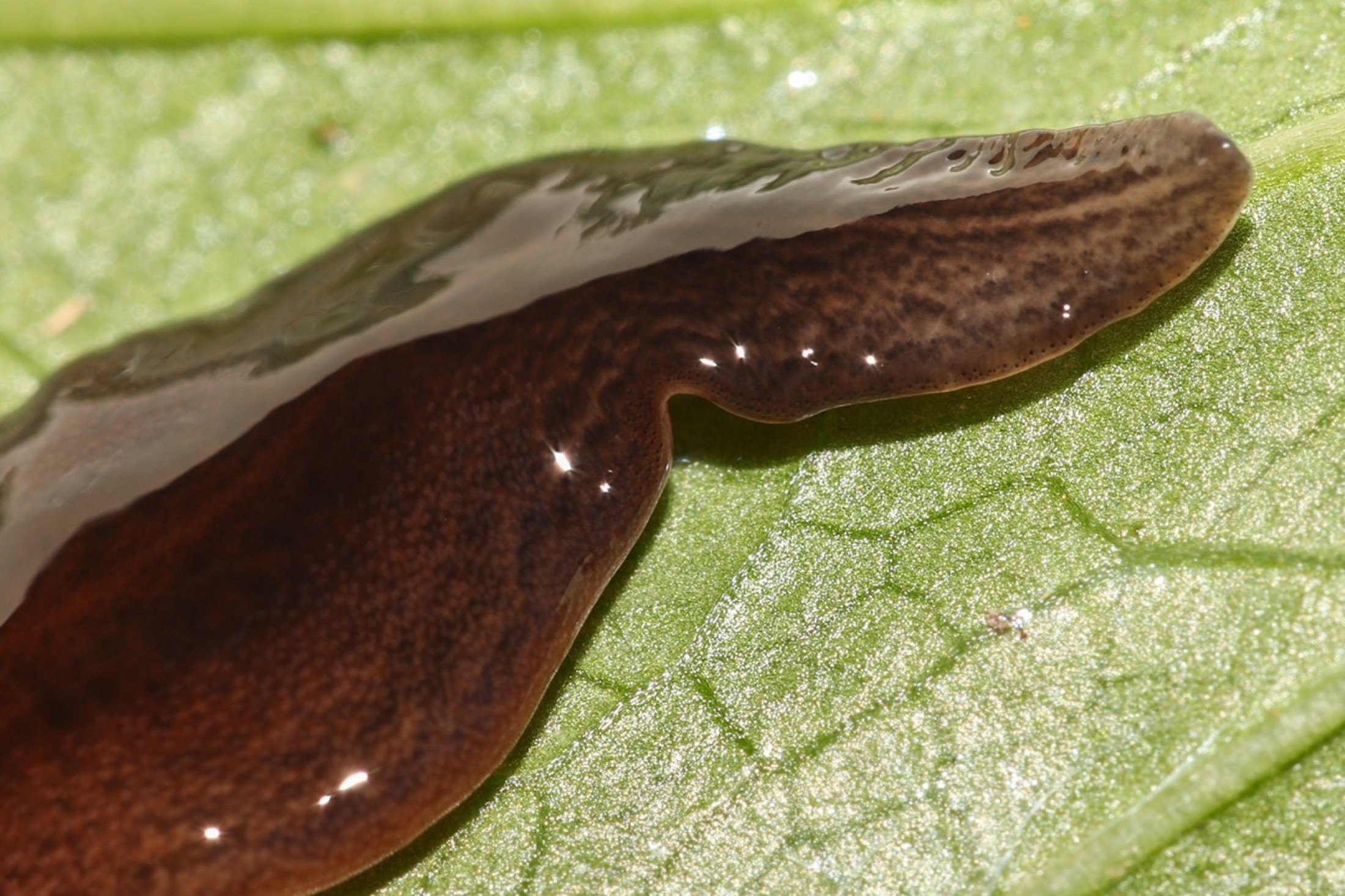
Obama nungara
Head of a
specimen of the flatworm Obama nungara found in Austria
© NHM Wien, Matthäus
Greilhuber

