
New exhibition at the Natural History Museum Vienna: "Cockaigne. Schlaraffenland der Zukunft?"
10. February 2026
With the special exhibition "Cockaigne. Schlaraffenland der Zukunft?", the Natural History
Museum Vienna is dedicated to food production. The exhibition will be on view from 10 February to 19 July 2026 in Room 21
on Level 2.
[Translated
by eTranslation]
Imagine a world without hunger. A world where there is enough food for everyone. "With Cockaigne, an old term for land of milk and honey from France, the photographic artist Gregor Sailer places a long-cherished human dream at the centre of his exhibition: Food is abundant," says Director General and Scientific Director Dr Katrin Vohland, describing the idea behind the special exhibition.
What for many seems like a vision of the future is a reality that has long been lived in parts of the world. Amiens, France, is home to the world's largest fully automated vertical insect farm. And in Goja Haven, in Nunavut (Canada), surrounded by ice and snow, Inuit collectively produce plants such as lettuce and peas in converted shipping containers. As part of the EDEN (Evolution & Design of Environmentally-closed Nutrition-Sources) research initiative, scientists are working on how food could be produced on the Moon or Mars.
Gregor Sailer photographically captures these futuristic-looking production sites. His photos contrast two systems: on the one hand, highly diverse agro-systems that require a lot of human labour, and on the other hand, AI-driven, automated agriculture with standardised organisms and processes – and the promise to do without fossil energy, unlike current industrial agriculture.
Sailer's photographs open the eyes to these profound changes: for engineered fields, artificial habitats and visions of a production that puts efficiency above everything else. In his visual worlds, Sailer shows what agriculture of the future could look like and asks how we want to secure our food in the future – and at what price. Agriculture has never been pure nature. It is always designed space, characterized by human needs and ideas.
Gregor Sailer
The Austrian photographer Gregor Sailer (born 1980) works at the intersection of art, science and architecture. He took up his photographic training at the Prague School of Photography. This was followed by a master's degree in communication design with a focus on photography and experimental film as well as a master's degree in photographic studies at the Dortmund University of Applied Sciences. Since 2005 he has been working as an independent photographer.
The often years of planning and conception precedes the search for motifs and leads Sailer again and again to places that are not or difficult to reach for many people. Sailer's works have received numerous awards and have been shown in national and international solo and group exhibitions. Gregor Sailer lives and works in Tyrol.
Inquiry note:
Mag. Irina Kubadinow
Head of Press & Public Relations, press spokesperson
Tel.: + 43 (1) 521 77-410
irina.kubadinow@nhm.at
Mag. Klara Vakaj
Press officer
Tel.: + 43 (1) 521 77-626
klara.vakaj@nhm.at
Imagine a world without hunger. A world where there is enough food for everyone. "With Cockaigne, an old term for land of milk and honey from France, the photographic artist Gregor Sailer places a long-cherished human dream at the centre of his exhibition: Food is abundant," says Director General and Scientific Director Dr Katrin Vohland, describing the idea behind the special exhibition.
What for many seems like a vision of the future is a reality that has long been lived in parts of the world. Amiens, France, is home to the world's largest fully automated vertical insect farm. And in Goja Haven, in Nunavut (Canada), surrounded by ice and snow, Inuit collectively produce plants such as lettuce and peas in converted shipping containers. As part of the EDEN (Evolution & Design of Environmentally-closed Nutrition-Sources) research initiative, scientists are working on how food could be produced on the Moon or Mars.
Gregor Sailer photographically captures these futuristic-looking production sites. His photos contrast two systems: on the one hand, highly diverse agro-systems that require a lot of human labour, and on the other hand, AI-driven, automated agriculture with standardised organisms and processes – and the promise to do without fossil energy, unlike current industrial agriculture.
Sailer's photographs open the eyes to these profound changes: for engineered fields, artificial habitats and visions of a production that puts efficiency above everything else. In his visual worlds, Sailer shows what agriculture of the future could look like and asks how we want to secure our food in the future – and at what price. Agriculture has never been pure nature. It is always designed space, characterized by human needs and ideas.
Gregor Sailer
The Austrian photographer Gregor Sailer (born 1980) works at the intersection of art, science and architecture. He took up his photographic training at the Prague School of Photography. This was followed by a master's degree in communication design with a focus on photography and experimental film as well as a master's degree in photographic studies at the Dortmund University of Applied Sciences. Since 2005 he has been working as an independent photographer.
The often years of planning and conception precedes the search for motifs and leads Sailer again and again to places that are not or difficult to reach for many people. Sailer's works have received numerous awards and have been shown in national and international solo and group exhibitions. Gregor Sailer lives and works in Tyrol.
Inquiry note:
Mag. Irina Kubadinow
Head of Press & Public Relations, press spokesperson
Tel.: + 43 (1) 521 77-410
irina.kubadinow@nhm.at
Mag. Klara Vakaj
Press officer
Tel.: + 43 (1) 521 77-626
klara.vakaj@nhm.at
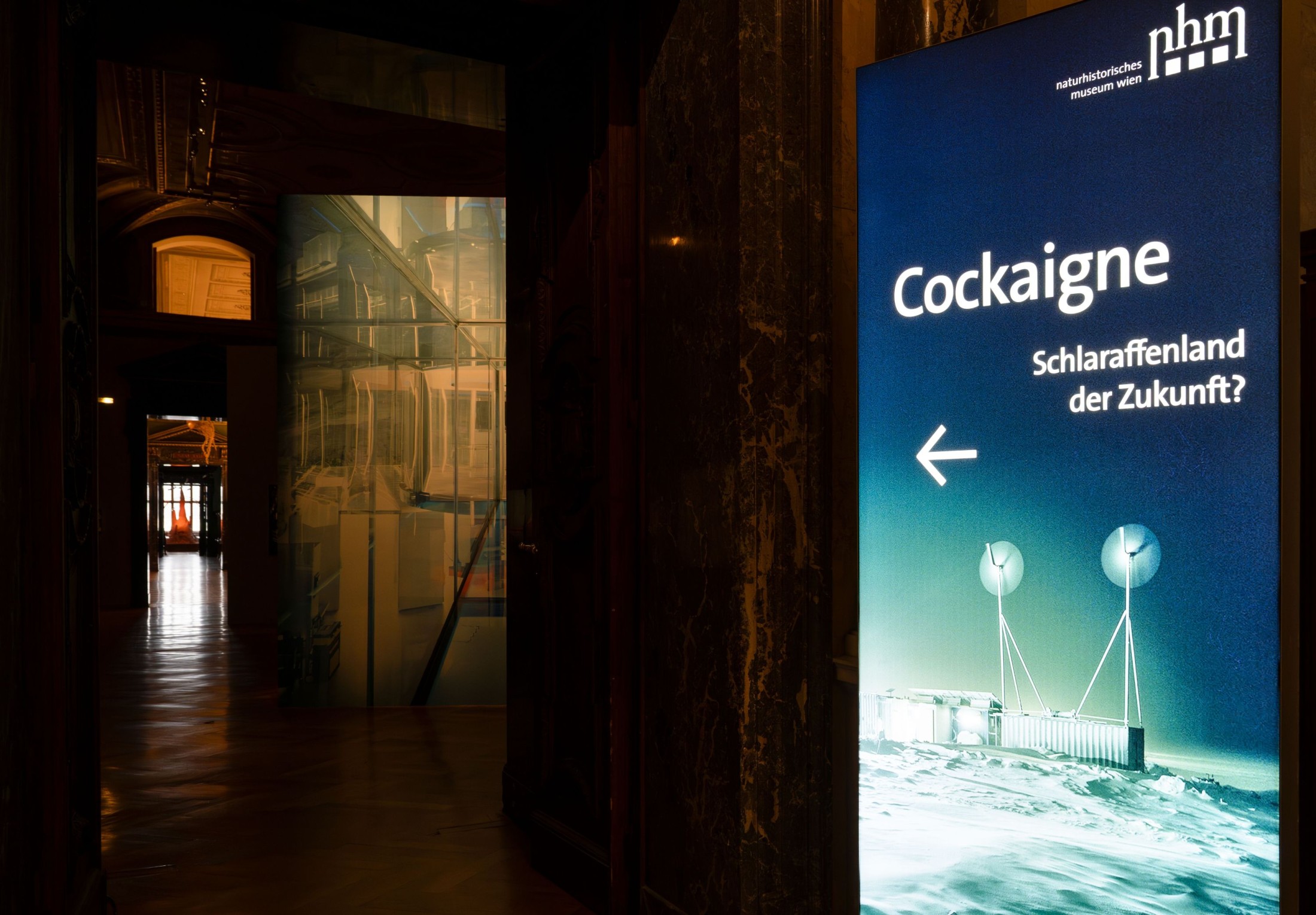
Entrance to the exhibition hall
© NHM Wien, Chloe Potter
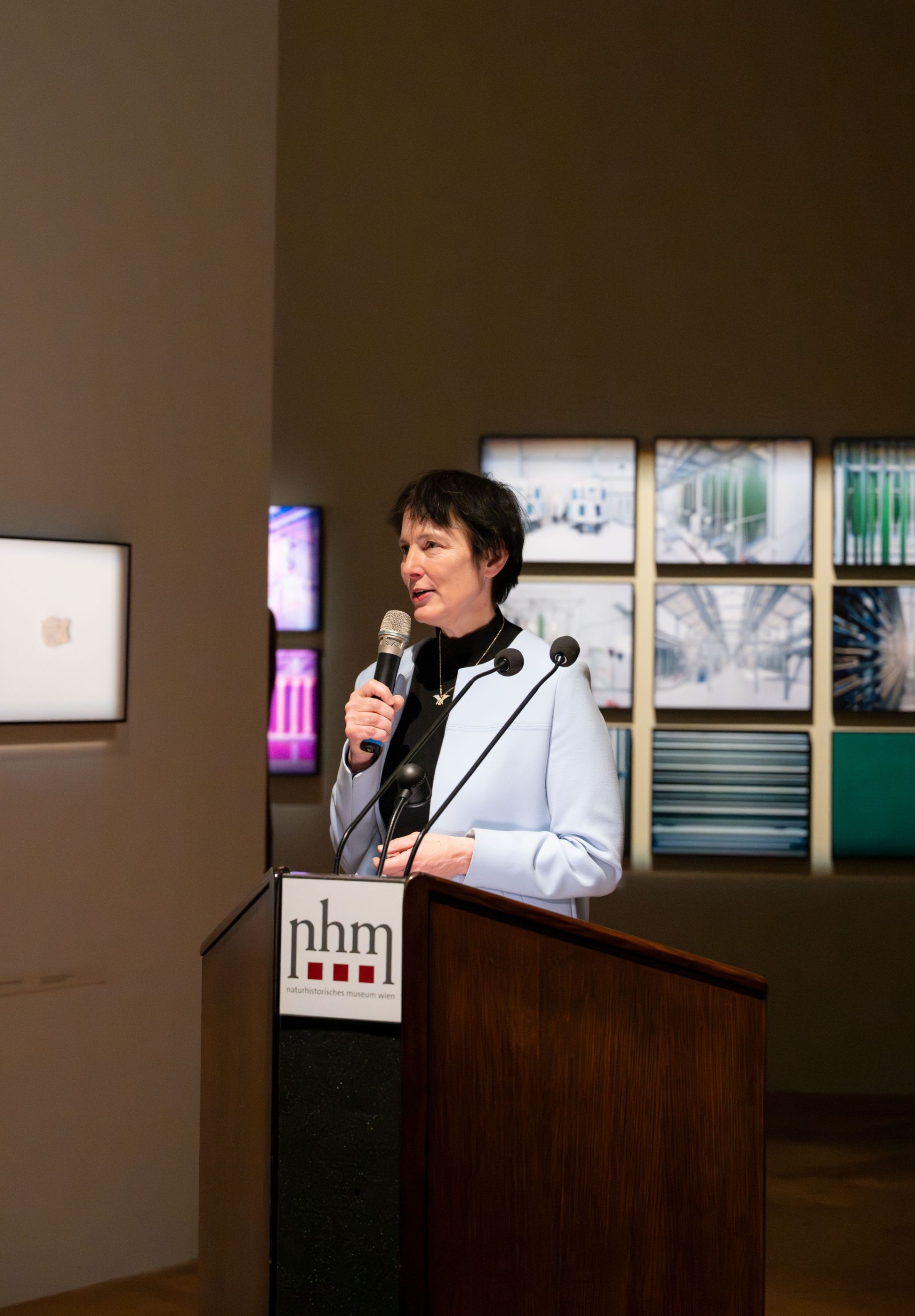
Press conference for the exhibition "Cockaigne. Schlaraffenland
der Zukunft?"
Director General and Scientific Director Katrin Vohland
© NHM Wien, Chloe Potter
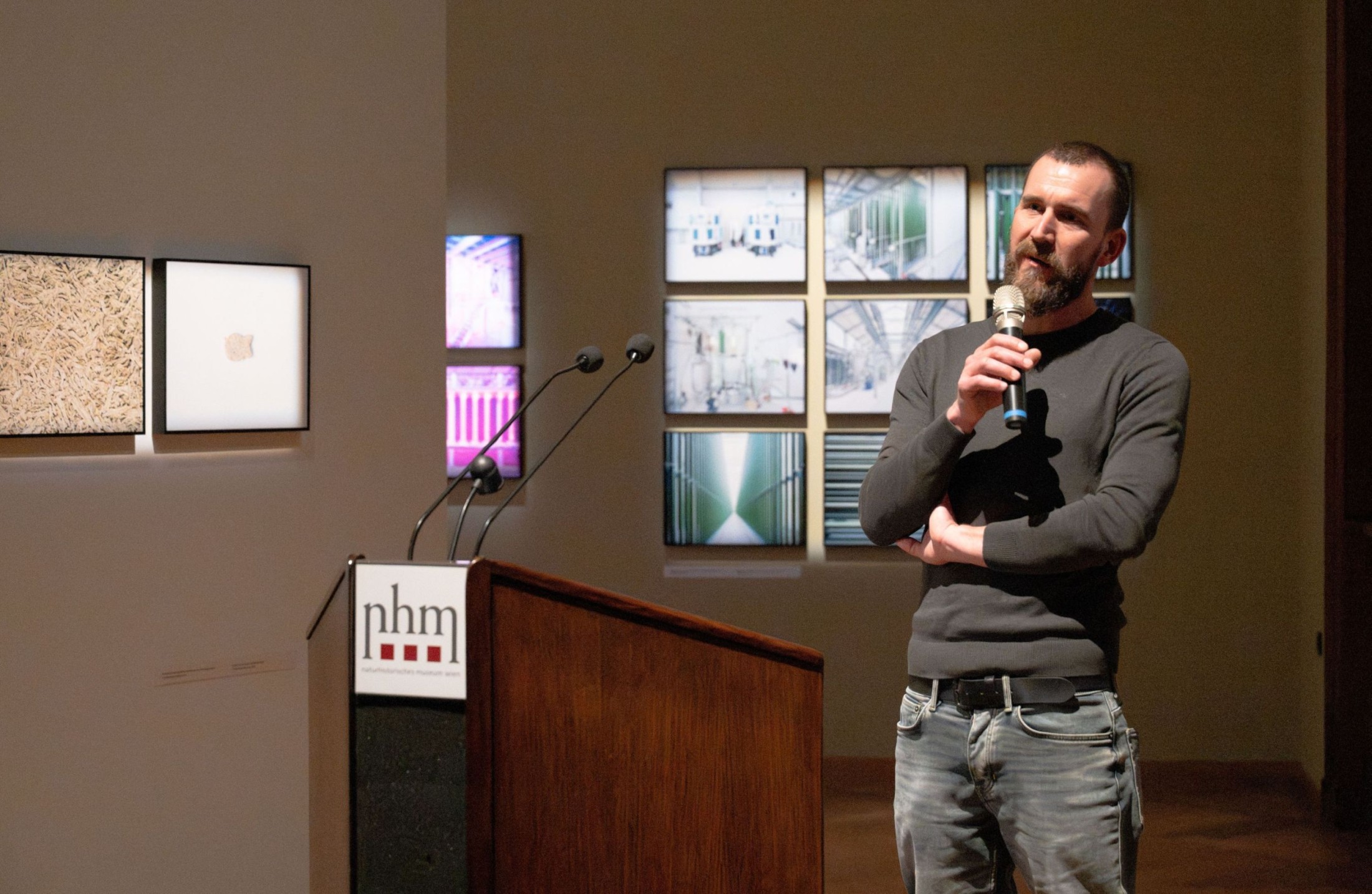
Press conference for the exhibition "Cockaigne. Schlaraffenland der Zukunft?"
Photographer Gregor Sailer
©
NHM Wien, Chloe Potter
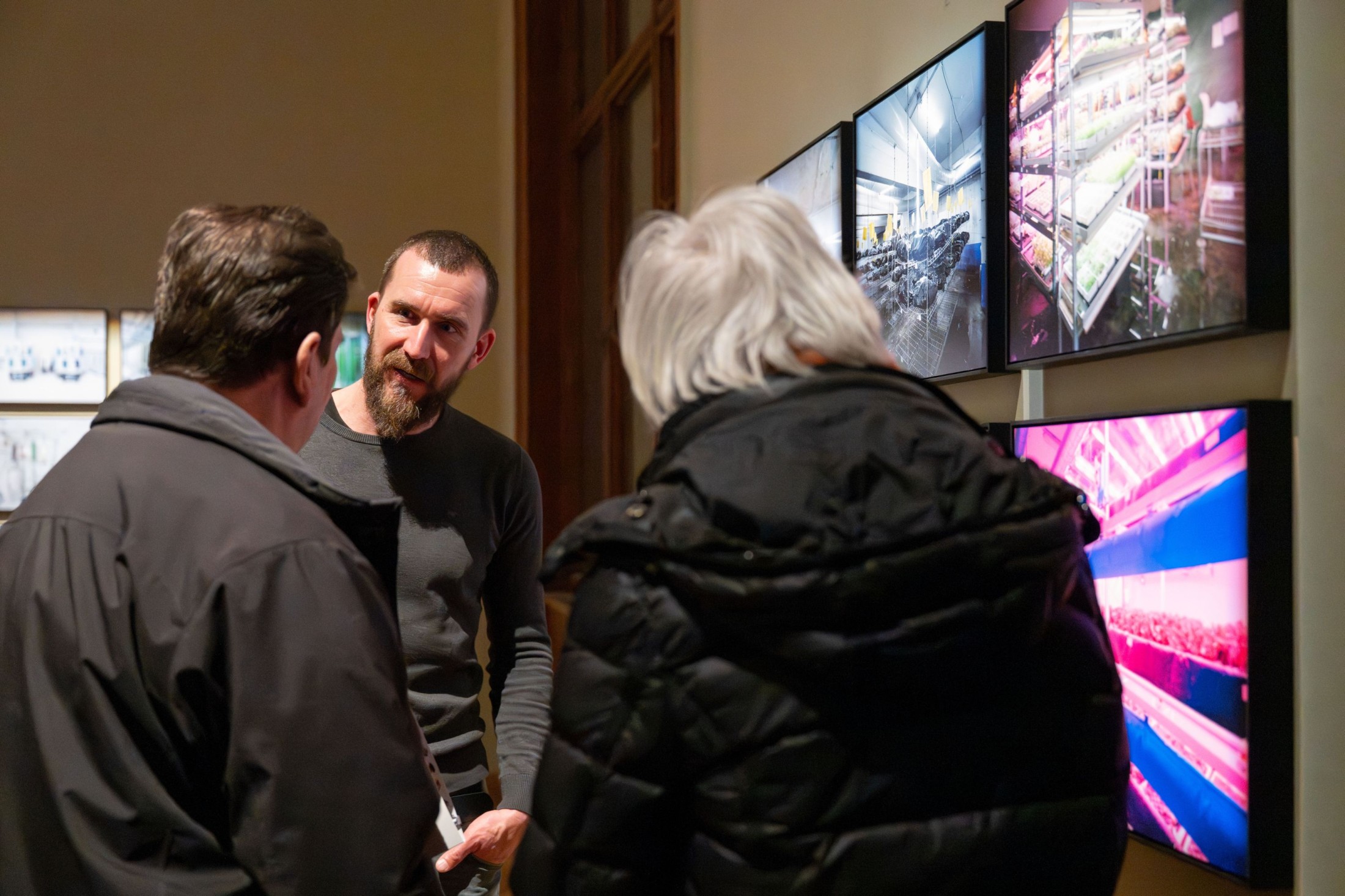
Press conference for the exhibition "Cockaigne. Schlaraffenland
der Zukunft?"
Photographer Gregor Sailer and media representatives
© NHM Wien, Chloe Potter
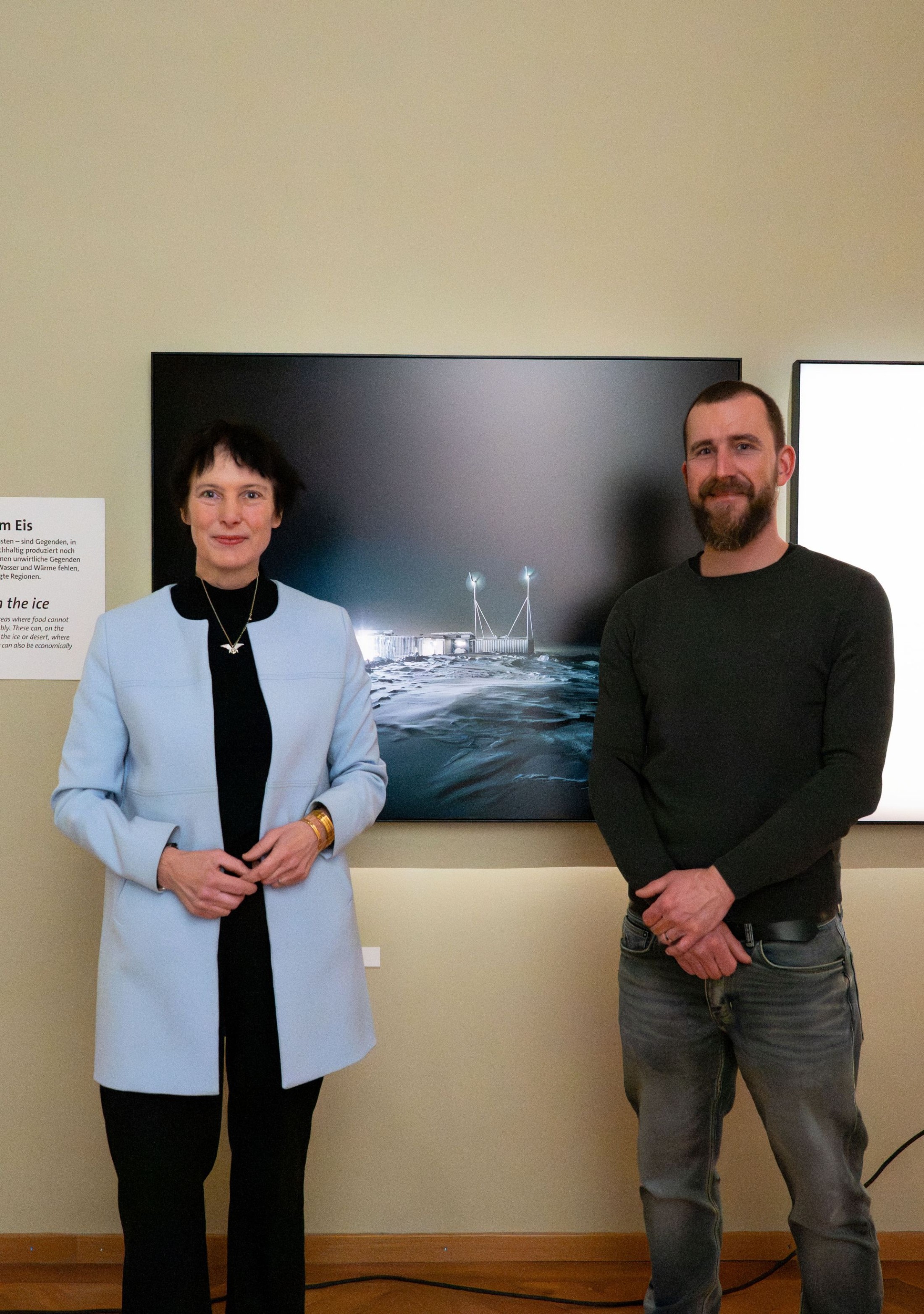
Press conference for the exhibition "Cockaigne. Schlaraffenland der Zukunft?"
Director General and Scientific Director Katrin Vohland and photographer Gregor
Sailer
© NHM Wien, Chloe Potter
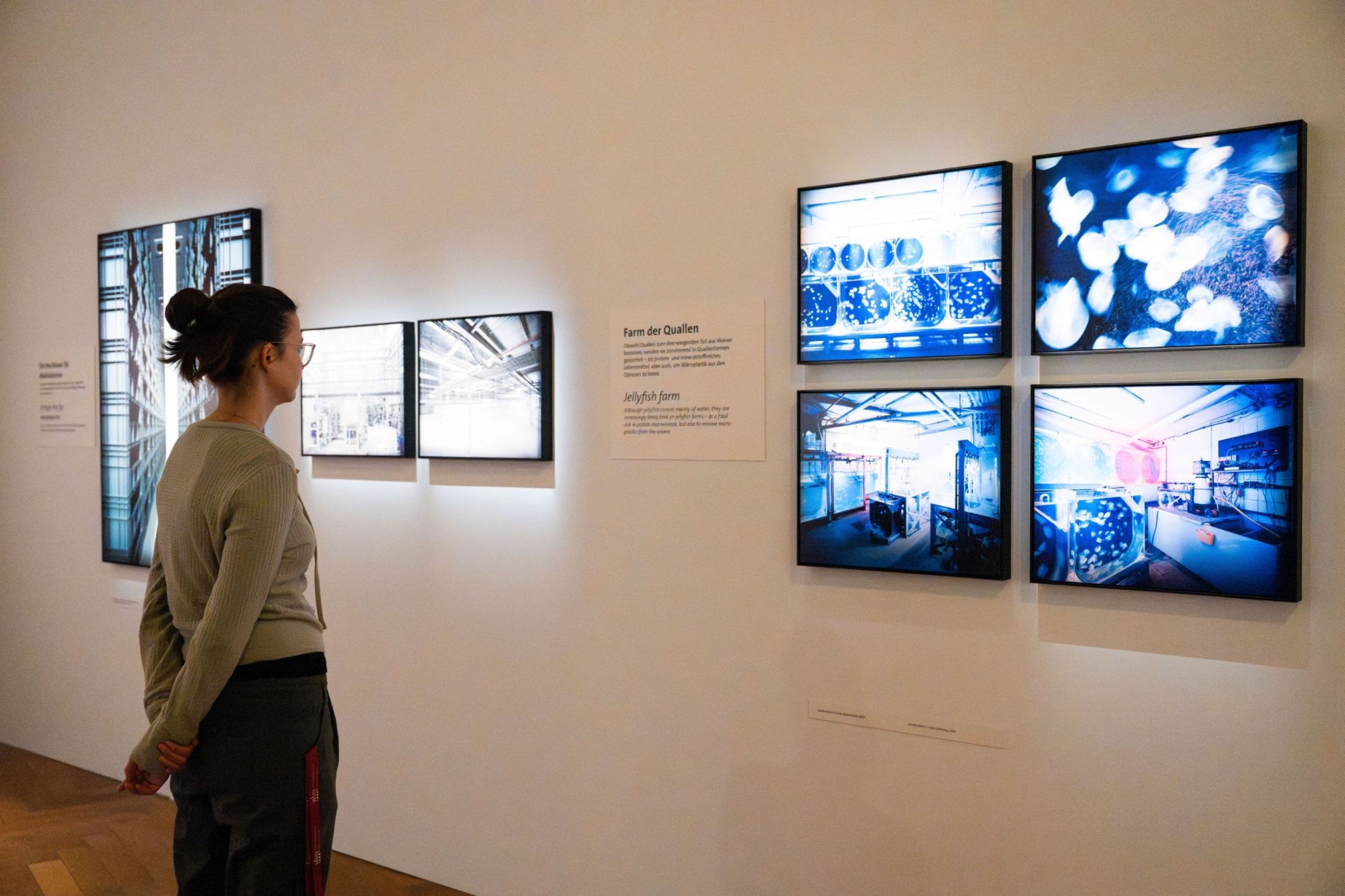
Press conference for the exhibition "Cockaigne. Schlaraffenland
der Zukunft?"
© NHM Wien,
Chloe Potter
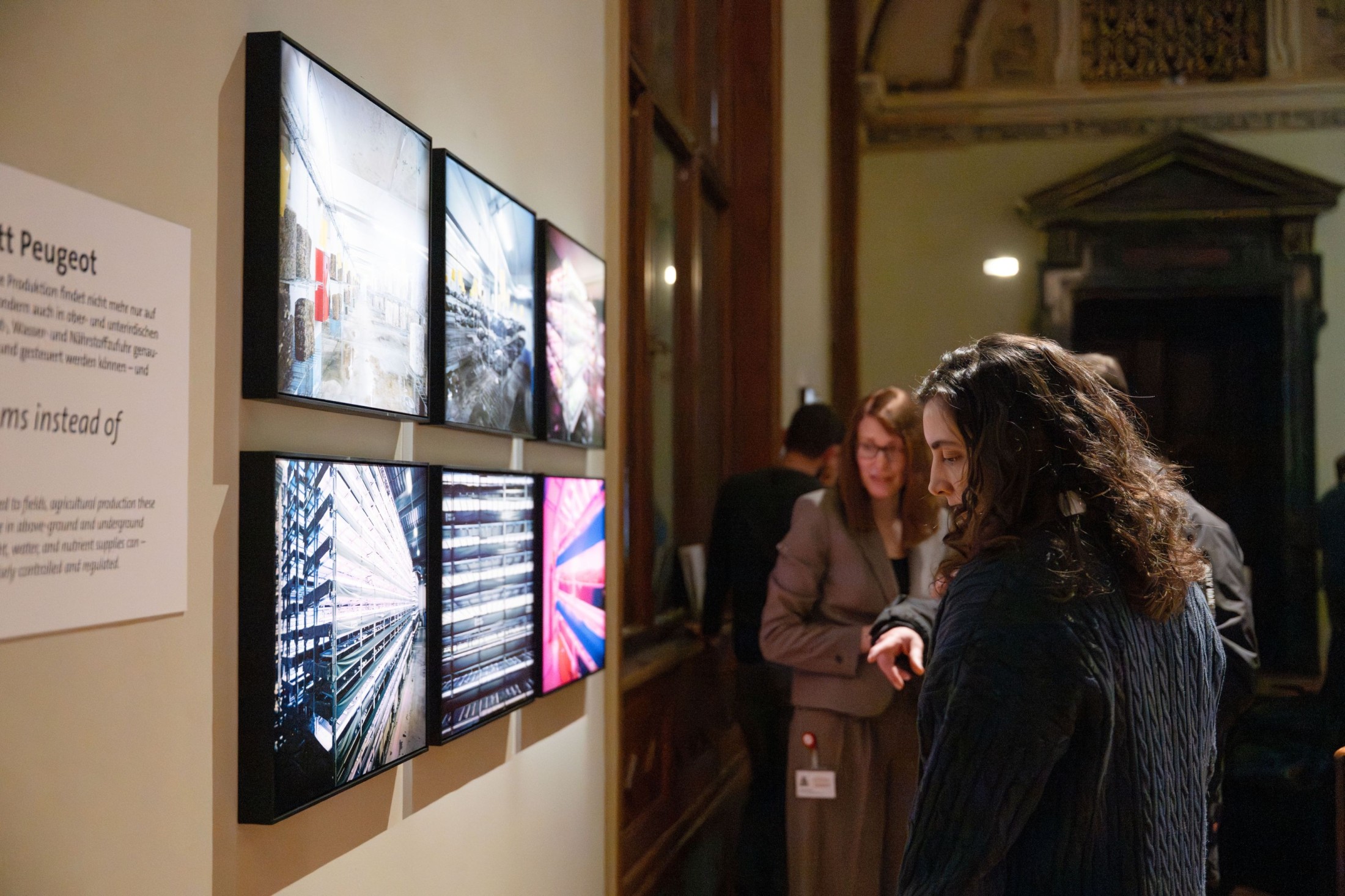
Press conference for the exhibition "Cockaigne. Schlaraffenland
der Zukunft?"
© NHM Wien,
Chloe Potter
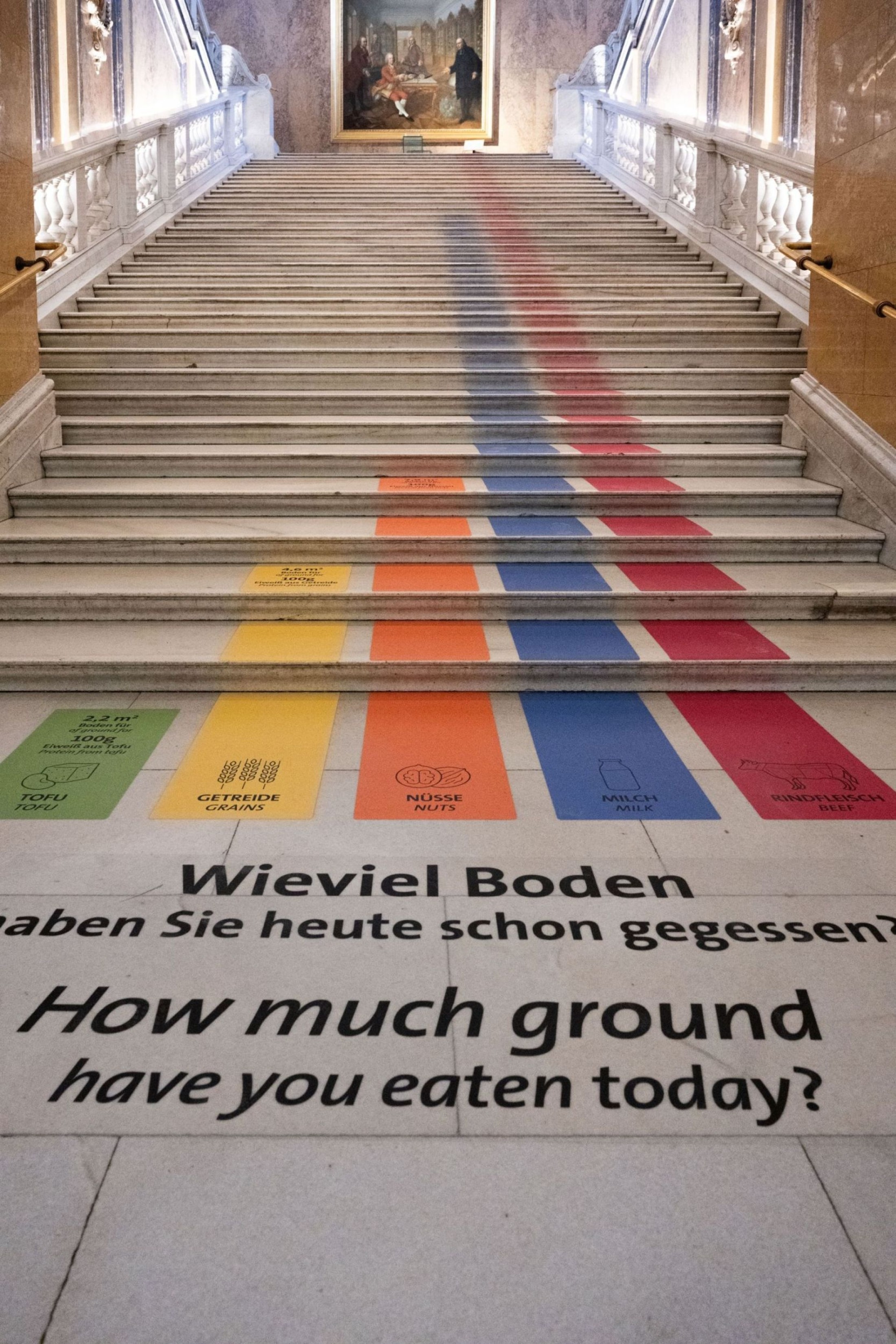
Main staircase of the NHM Vienna with illustration of area utilization
for protein production
© NHM
Wien, Chloe Potter
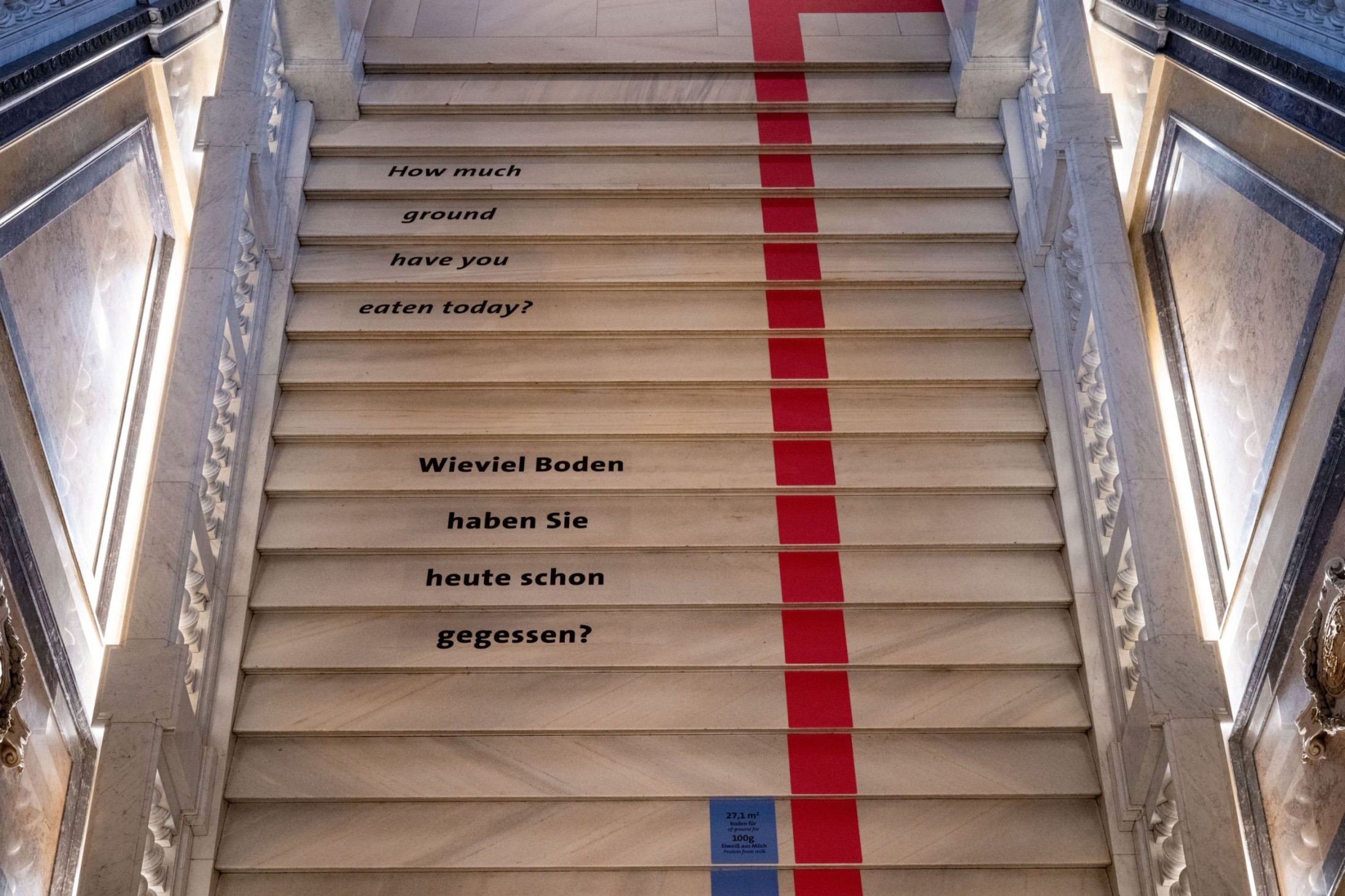
Main staircase of the NHM Vienna with illustration of area utilization
for protein production
© NHM
Wien, Chloe Potter
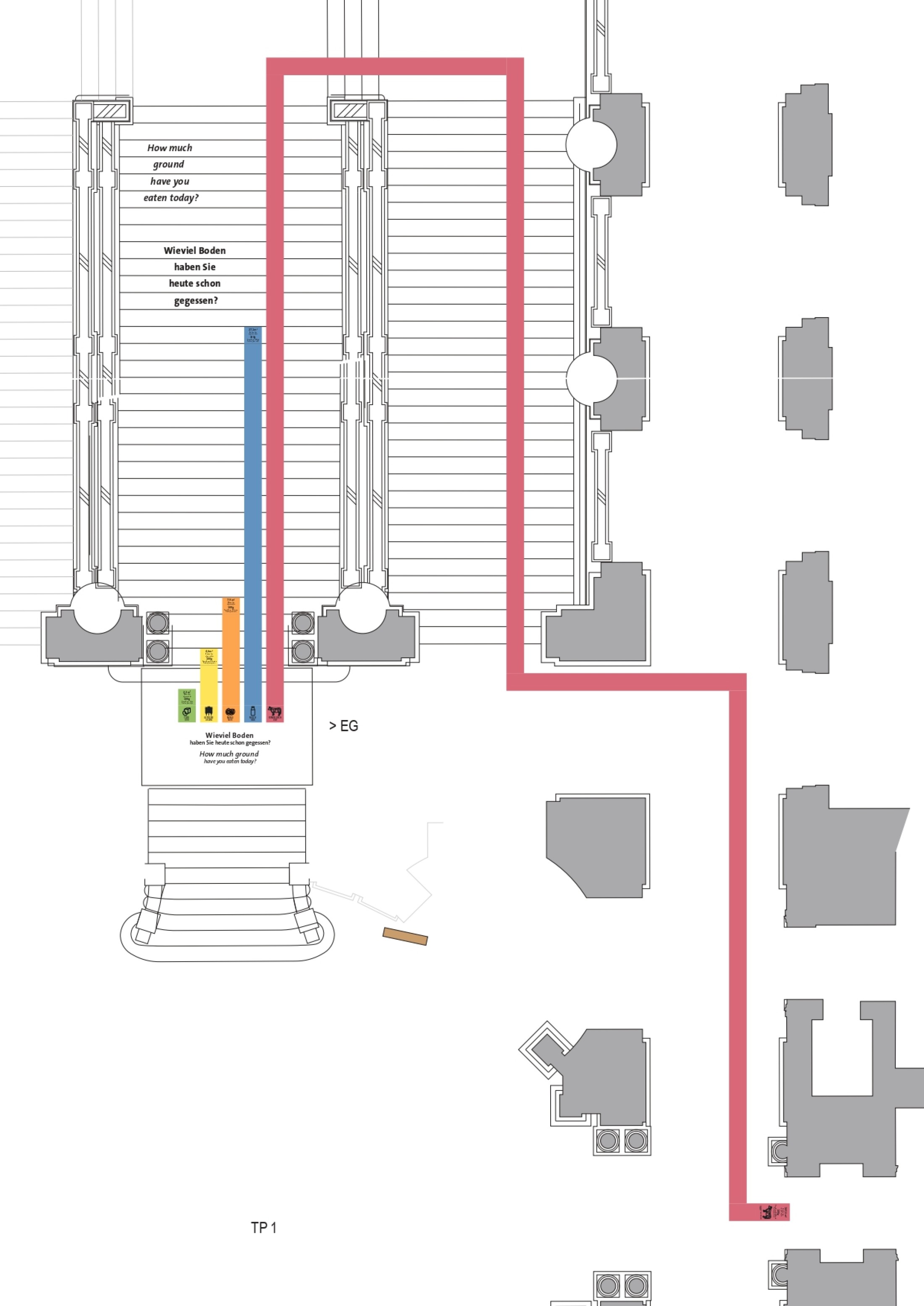
Area utilization for protein production
Eine Installation auf der Feststiege des NHM Wien zeigt, wie groß die Fläche
ist, die für die Produktion von 100 Gramm Protein benötigt wird. Folgende Lebensmittel werden abgebildet: Tofu (2,2 m2/100
g Eiweiß), Getreide (4,6 m2/100 g Eiweiß), Nüsse (7,9 m2/100 g Eiweiß), Milch (27,1 m2/100 g Eiweiß) und Rindfleisch (163,6
m2/100 g Eiweiß).
© NHM Wien
© NHM Wien
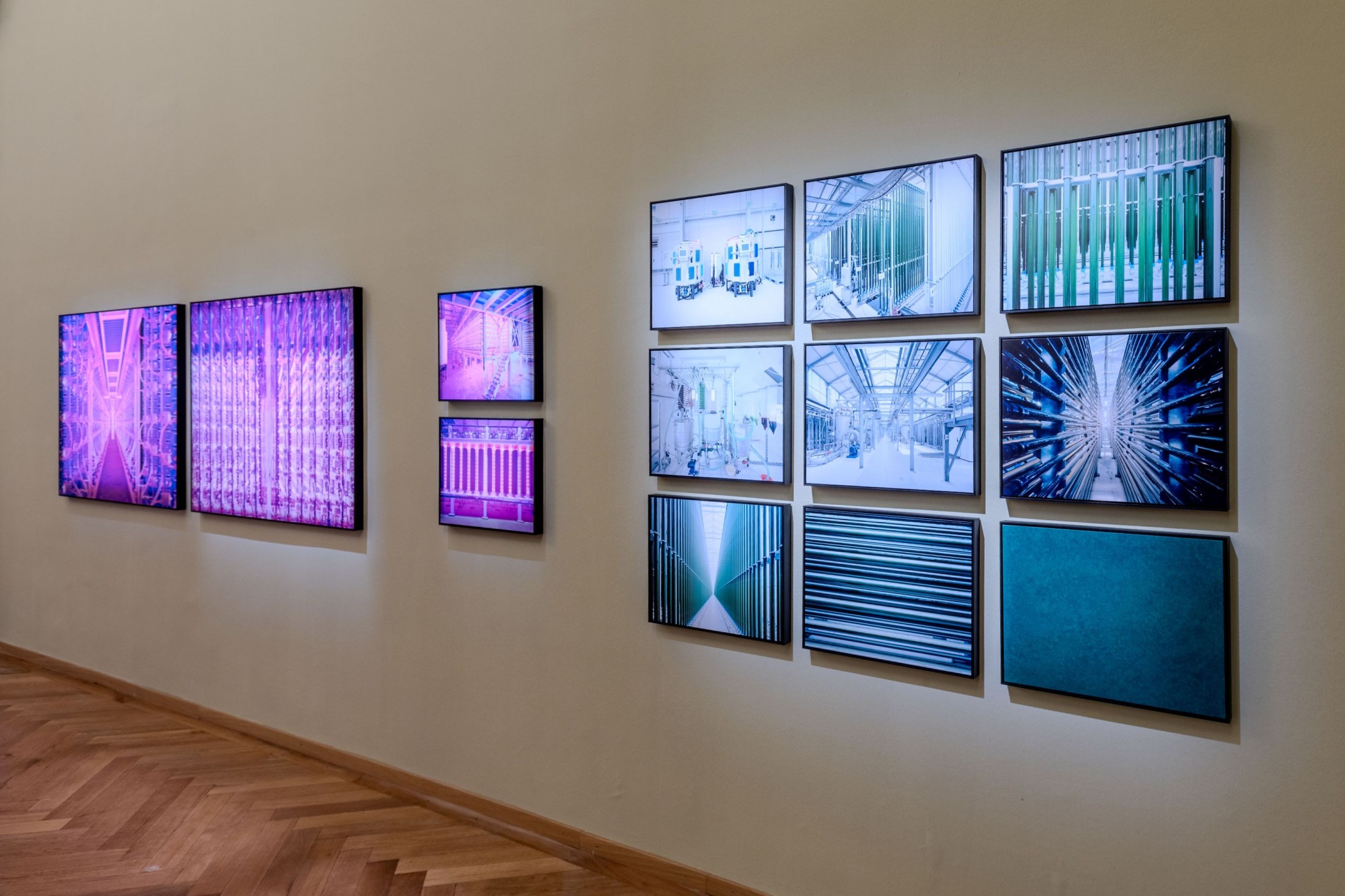
Exhibition "Cockaigne. Schlaraffenland der Zukunft?"
© NHM Wien, Wilhelm Bauer-Thell
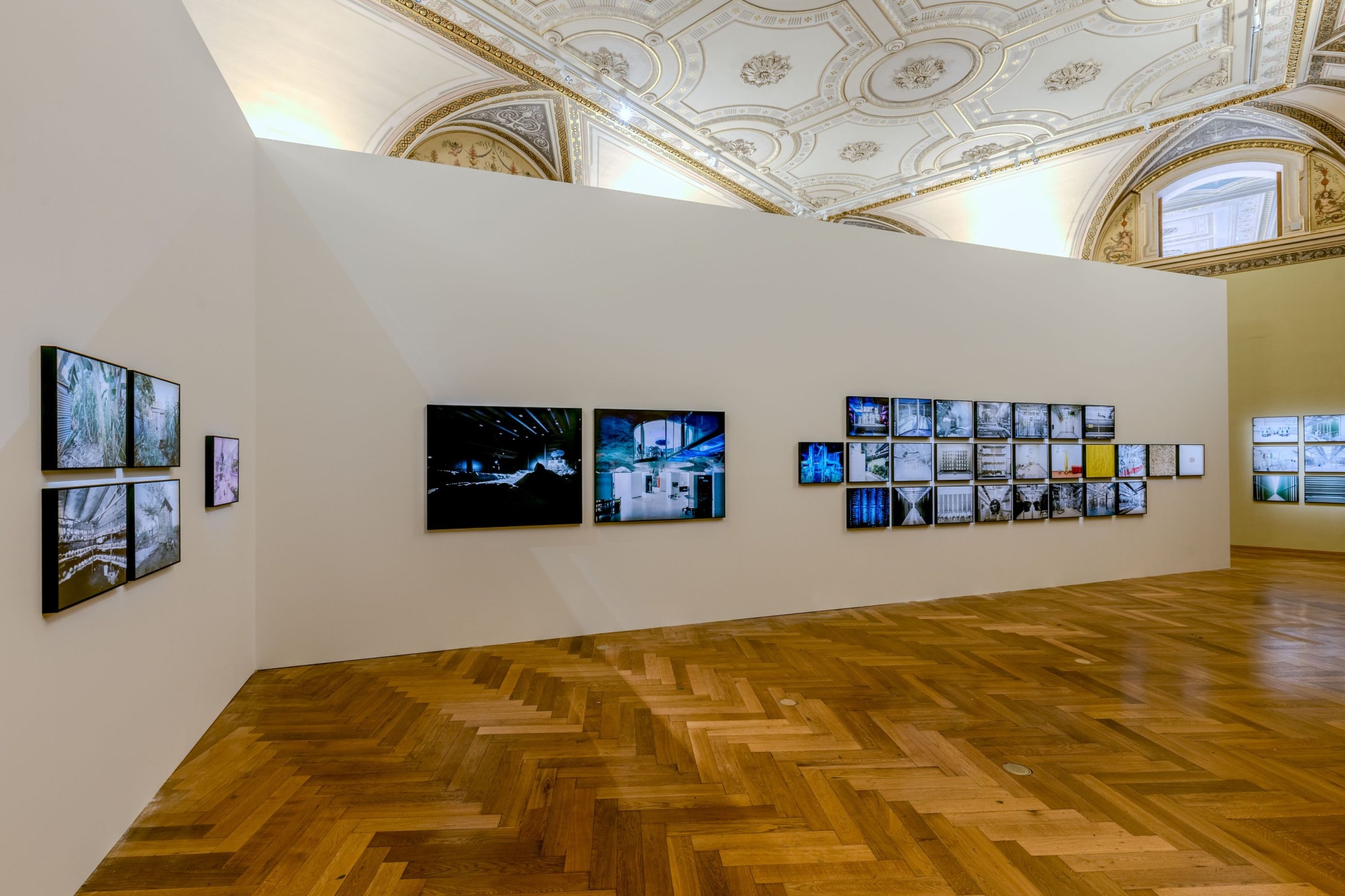
Exhibition "Cockaigne. Schlaraffenland der Zukunft?"
© NHM Wien, Wilhelm Bauer-Thell
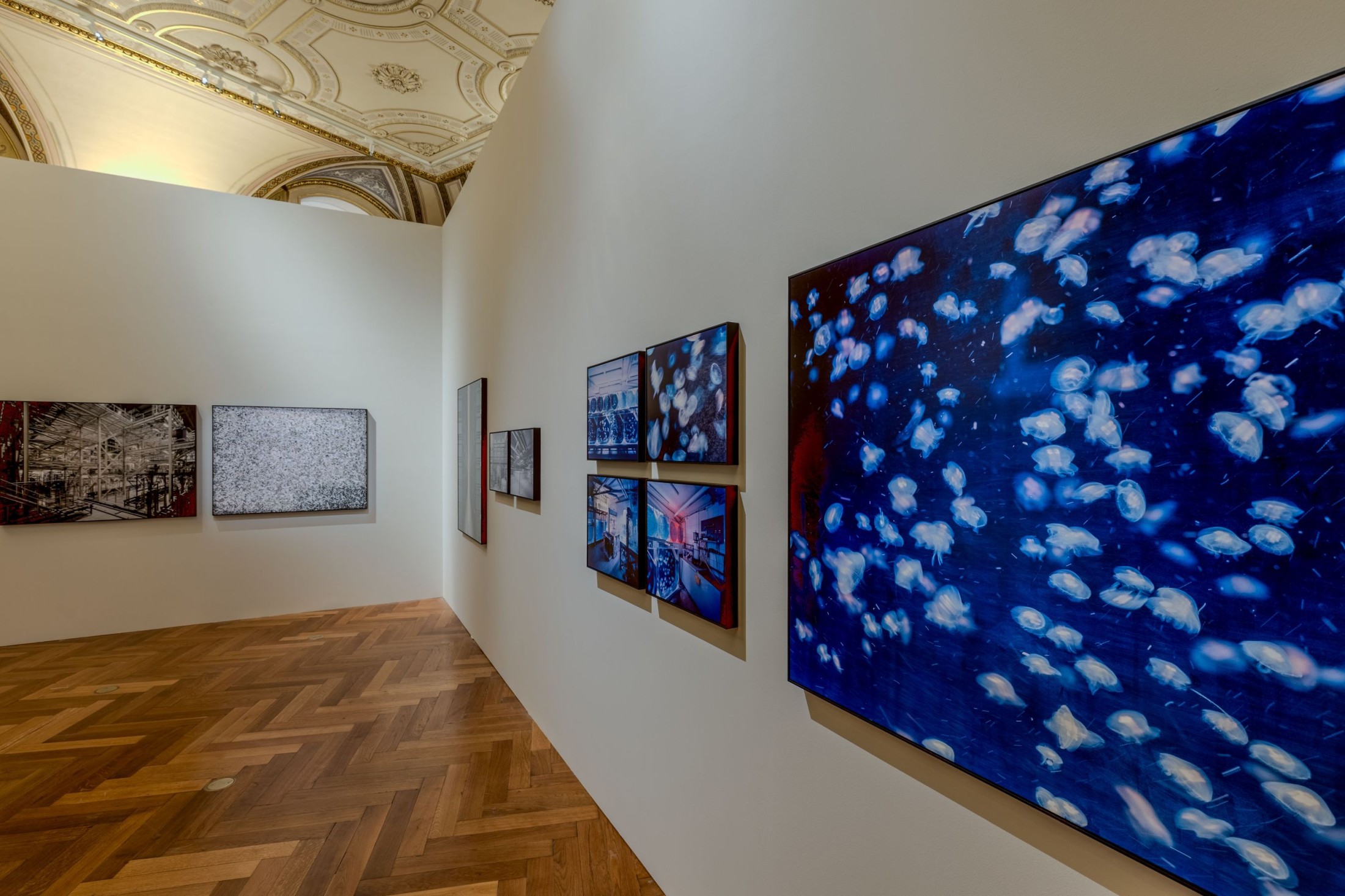
Exhibition "Cockaigne. Schlaraffenland der Zukunft?"
© NHM Wien, Wilhelm Bauer-Thell
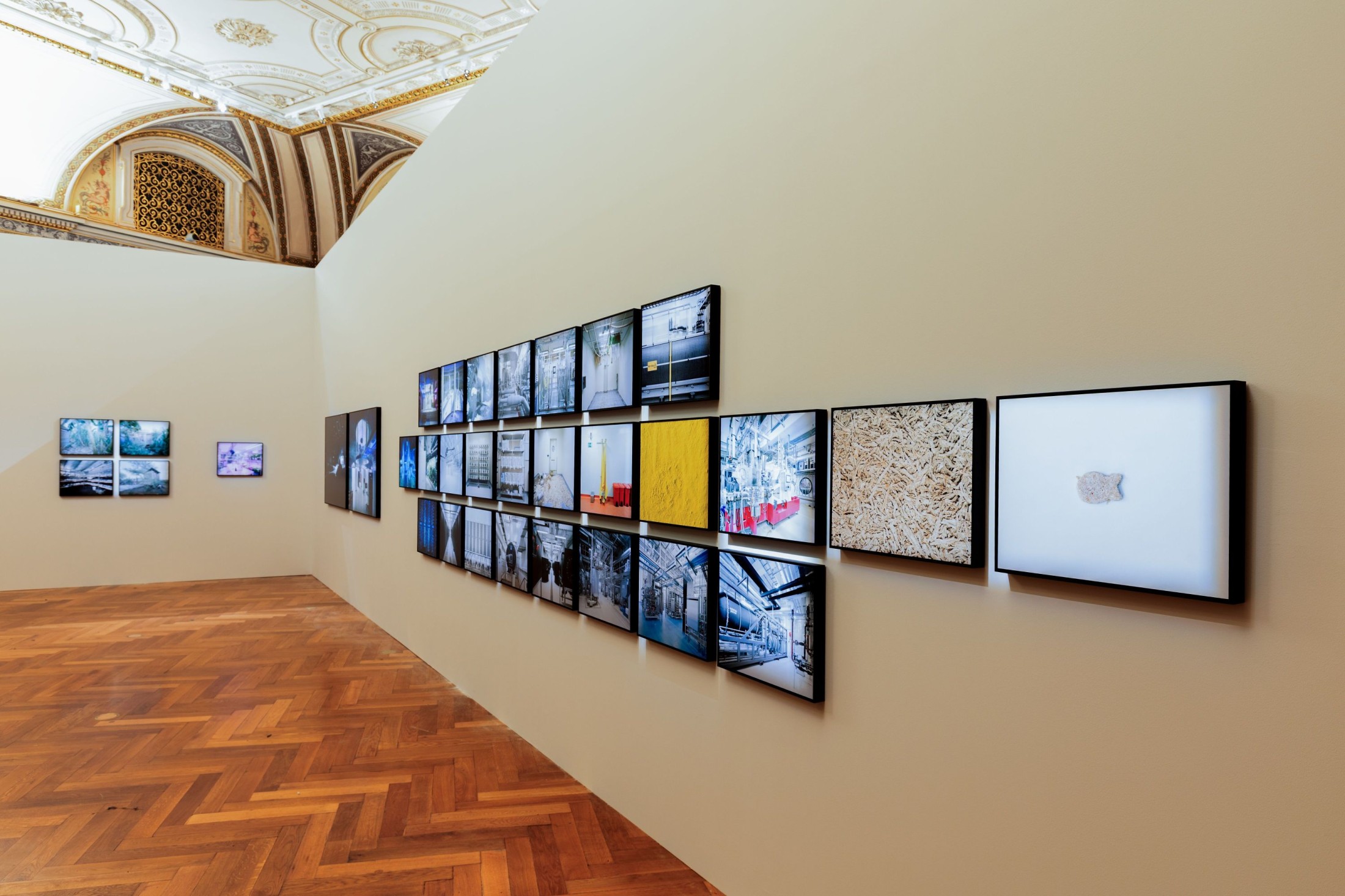
Exhibition "Cockaigne. Schlaraffenland der Zukunft?"
© NHM Wien, Wilhelm Bauer-Thell
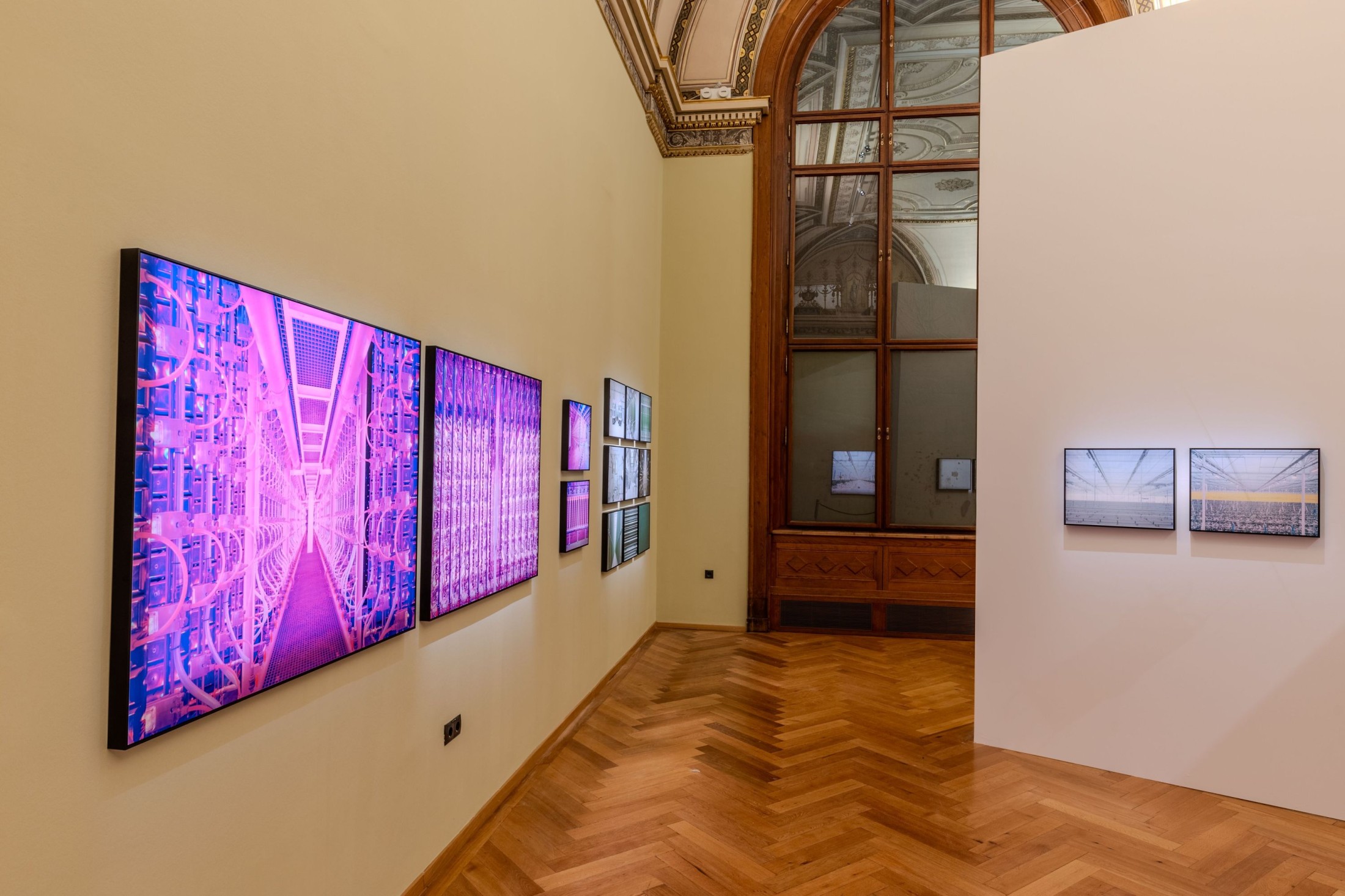
Exhibition "Cockaigne. Schlaraffenland der Zukunft?"
© NHM Wien, Wilhelm Bauer-Thell
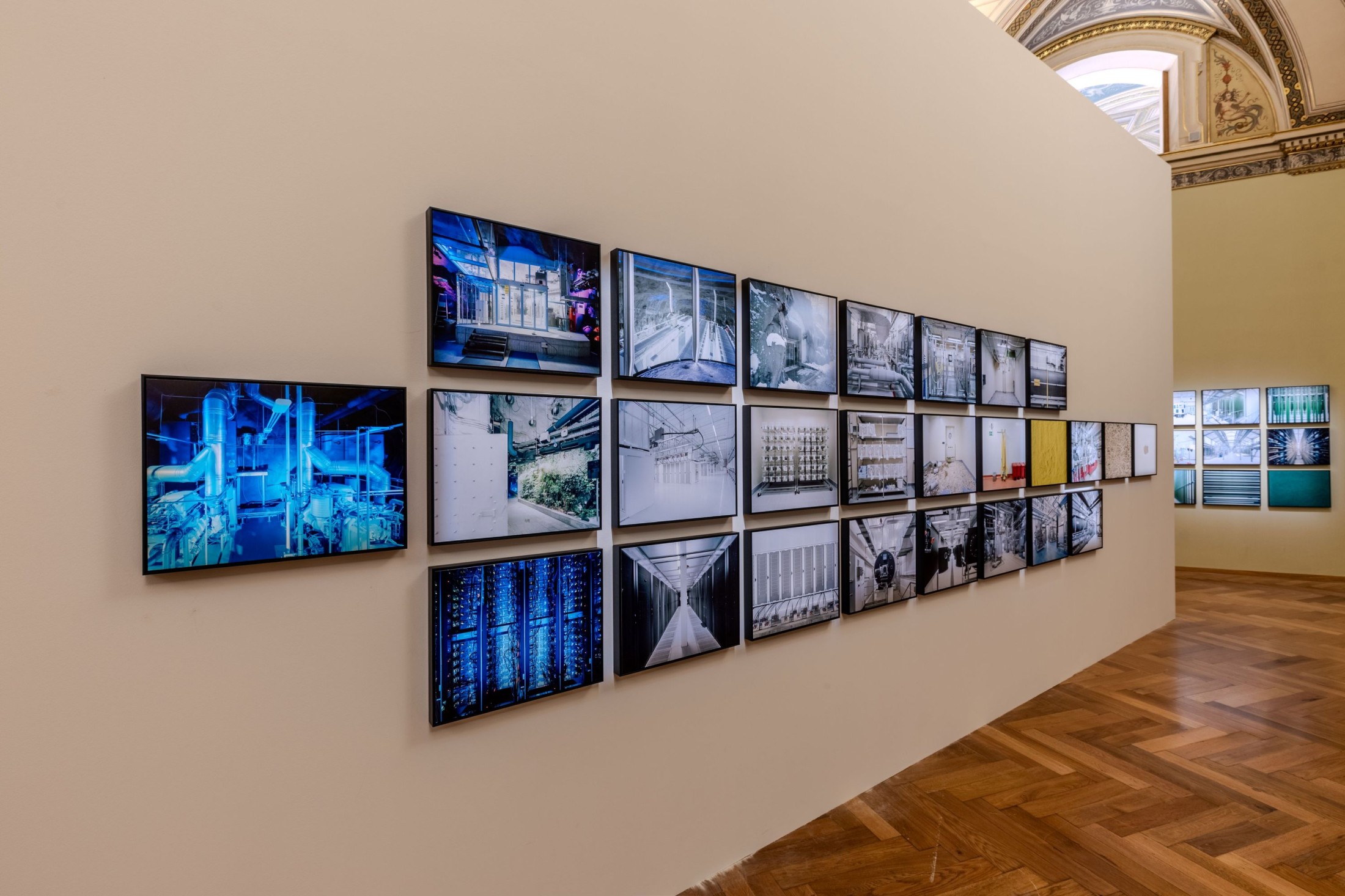
Exhibition "Cockaigne. Schlaraffenland der Zukunft?"
© NHM Wien, Wilhelm Bauer-Thell
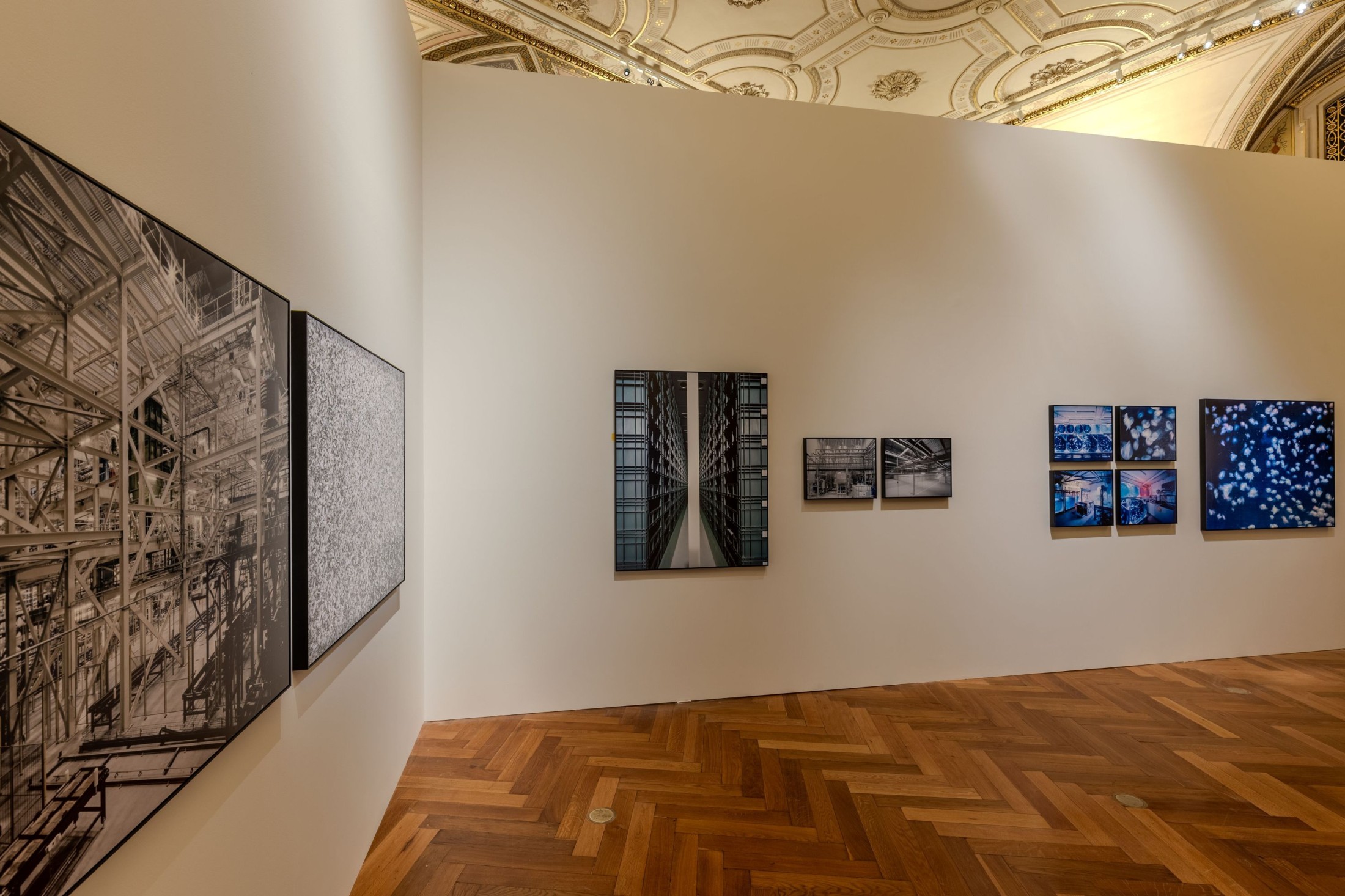
Exhibition "Cockaigne. Schlaraffenland der Zukunft?"
© NHM Wien, Wilhelm Bauer-Thell
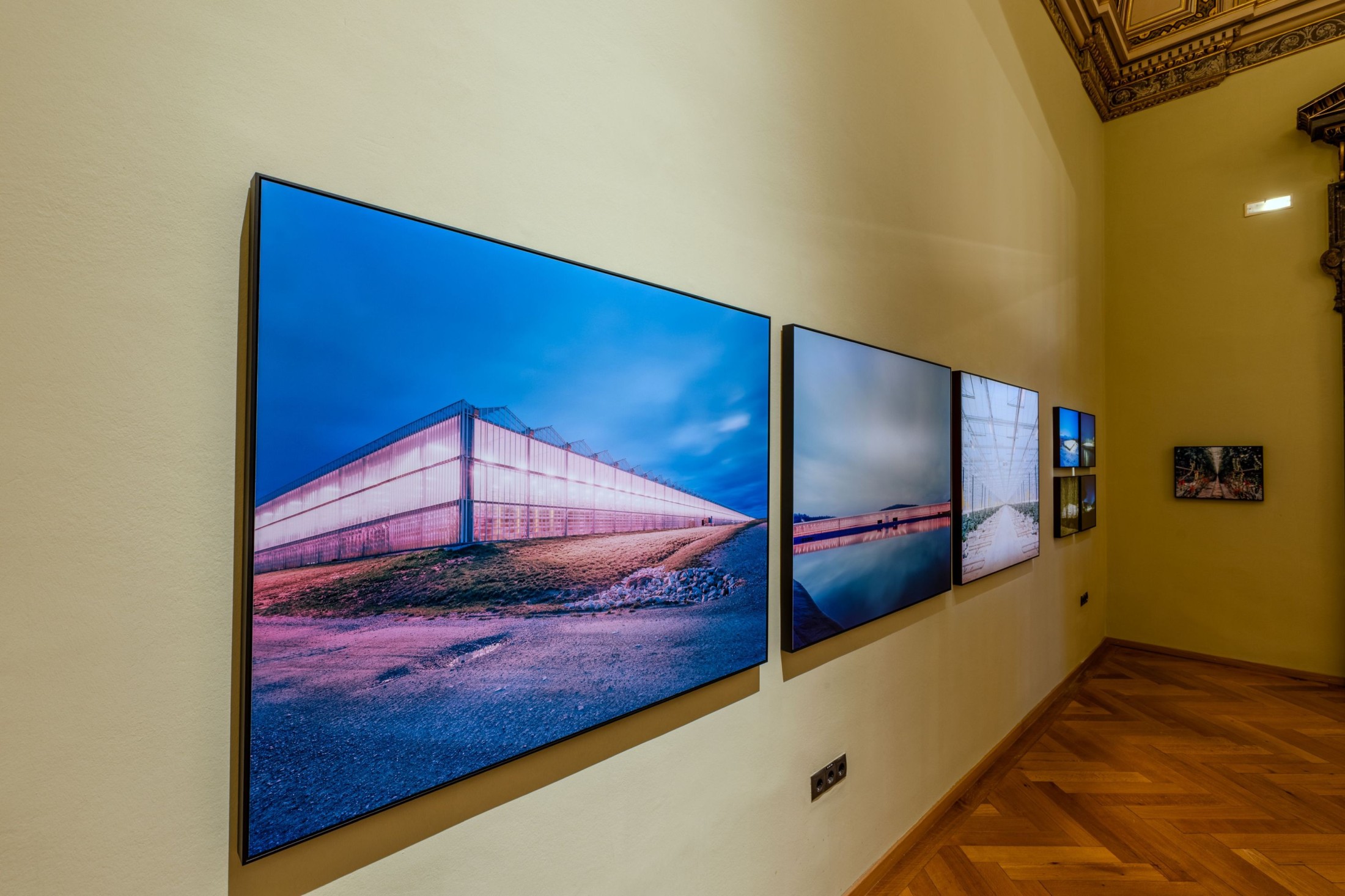
Exhibition "Cockaigne. Schlaraffenland der Zukunft?"
© NHM Wien, Wilhelm Bauer-Thell
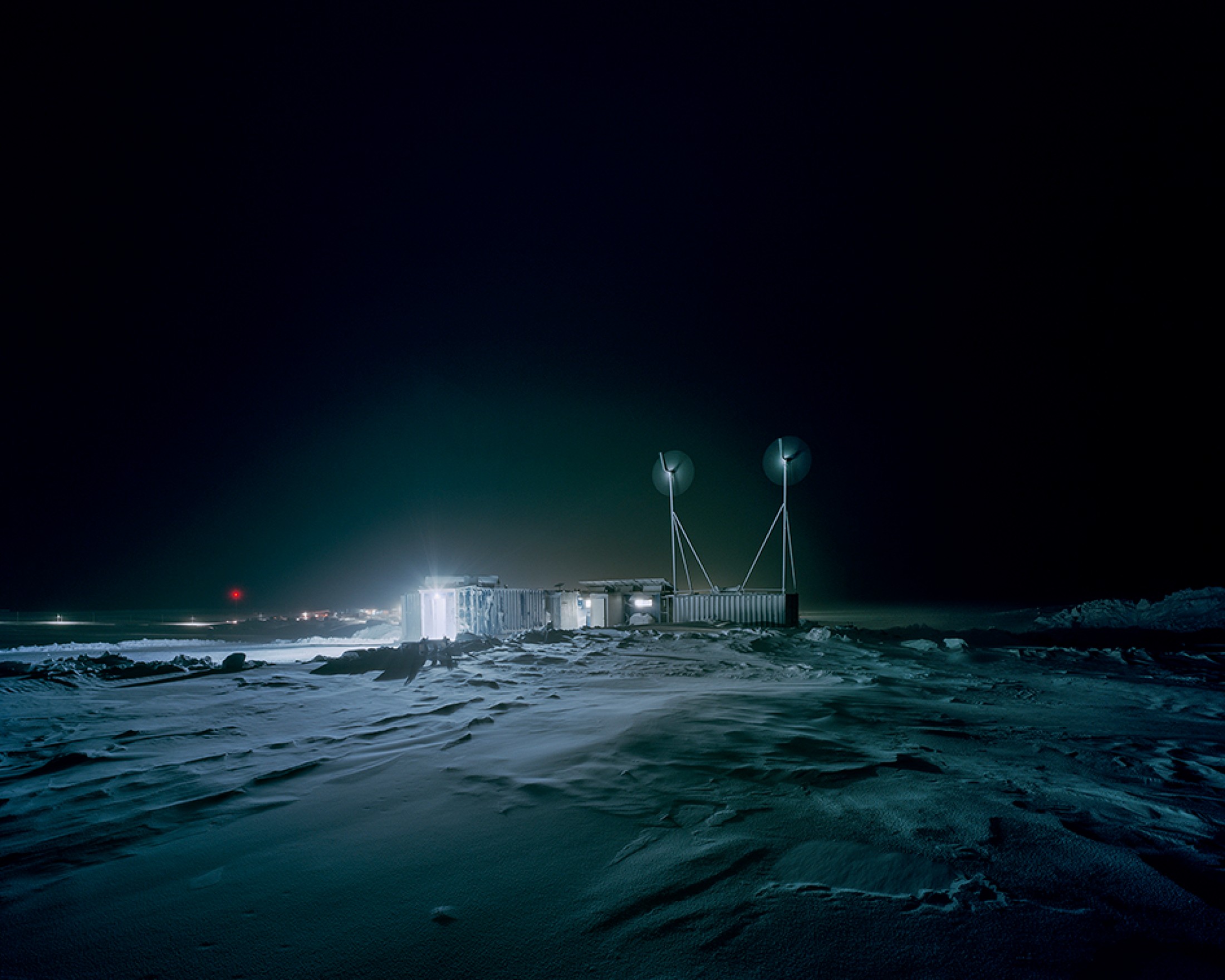
Project Naurvik, King William Island, Nunavut, Canada, 2024
Repurposed shipping containers in Goja Haven in the territory of Nunavut (Canada), where
Inuit collectively grow plants
© Gregor Sailer
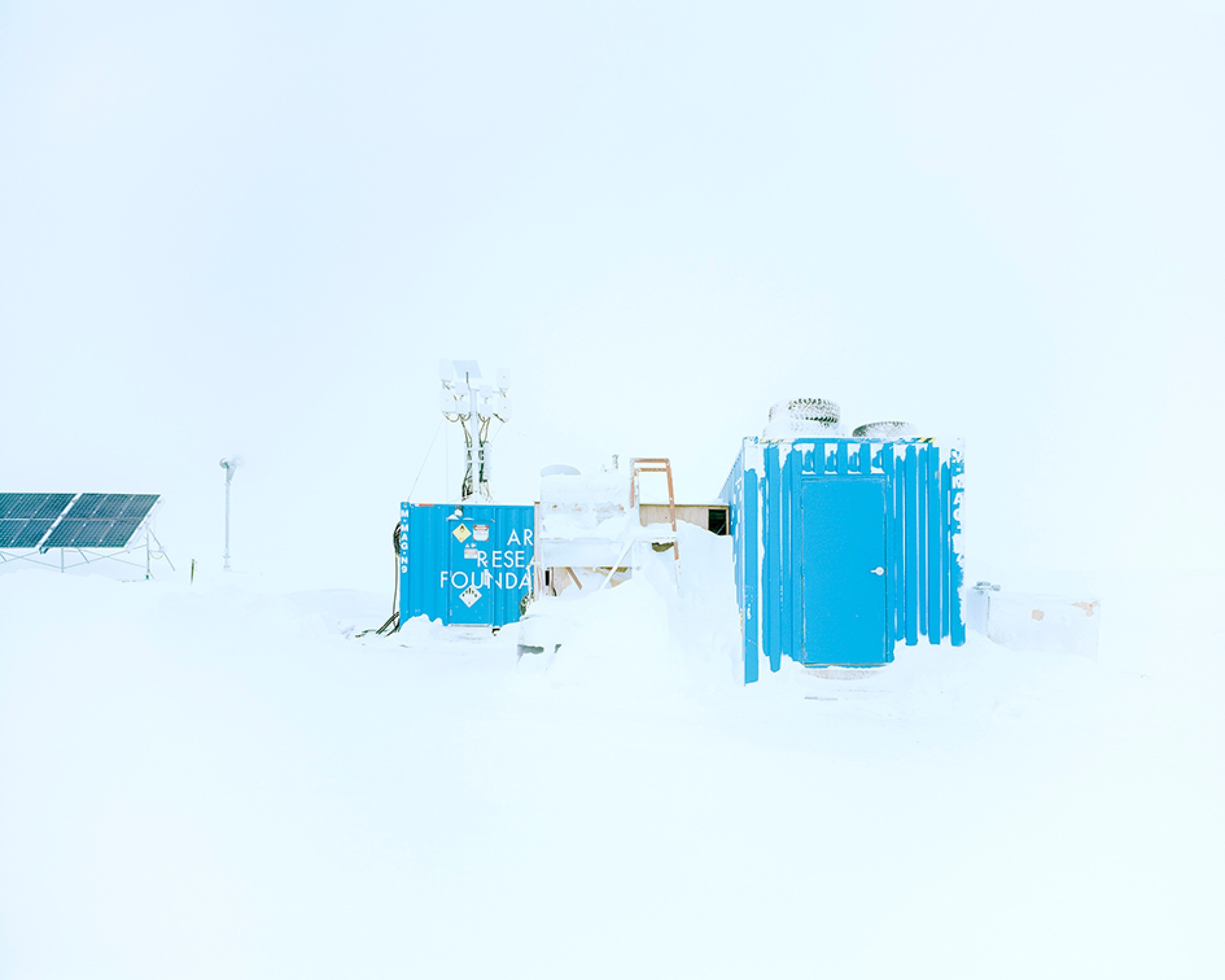
Project Naurvik, King William Island, Nunavut, Canada, 2024
© Gregor Sailer
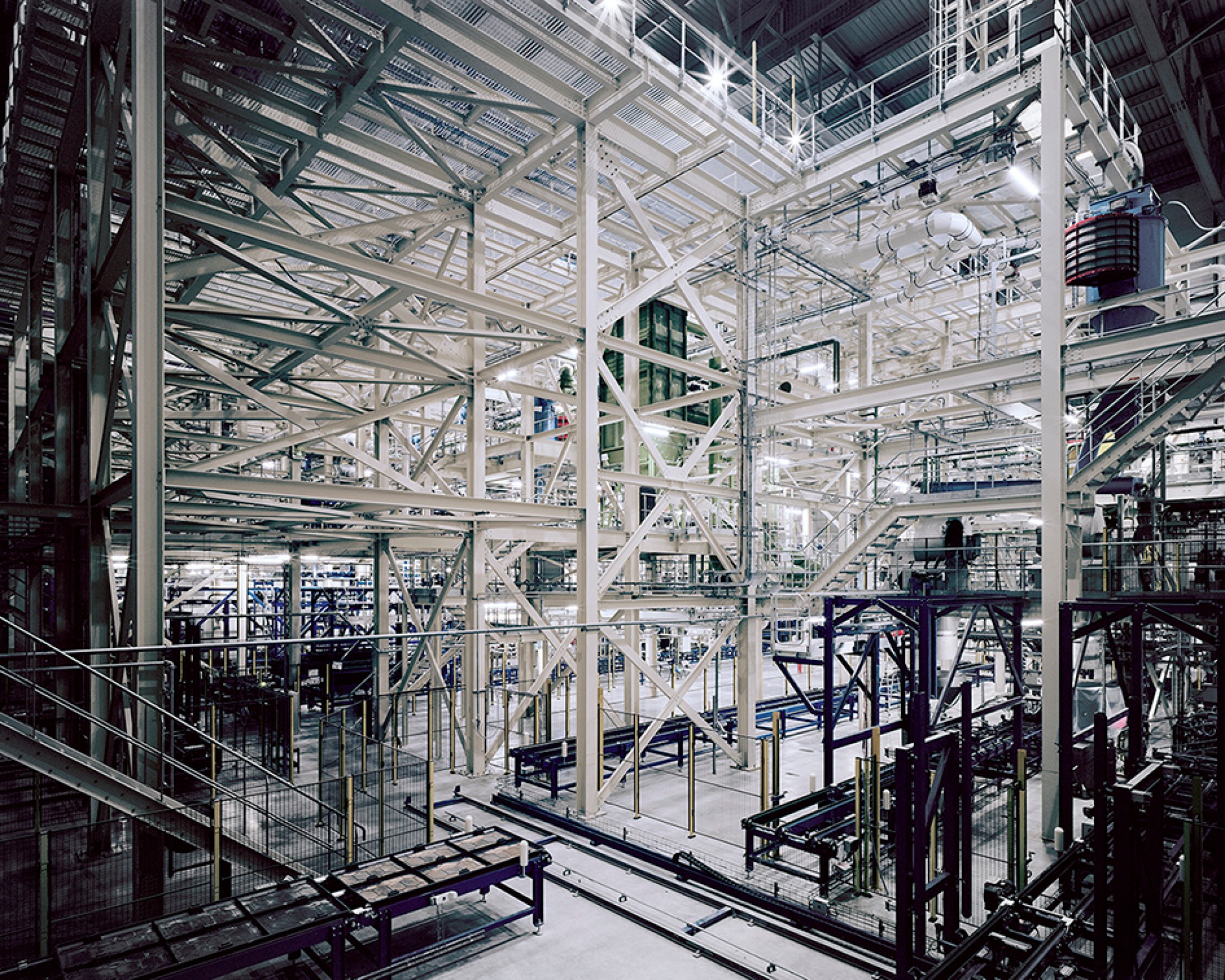
Insect Farm, Amiens, France, 2023
© Gregor Sailer
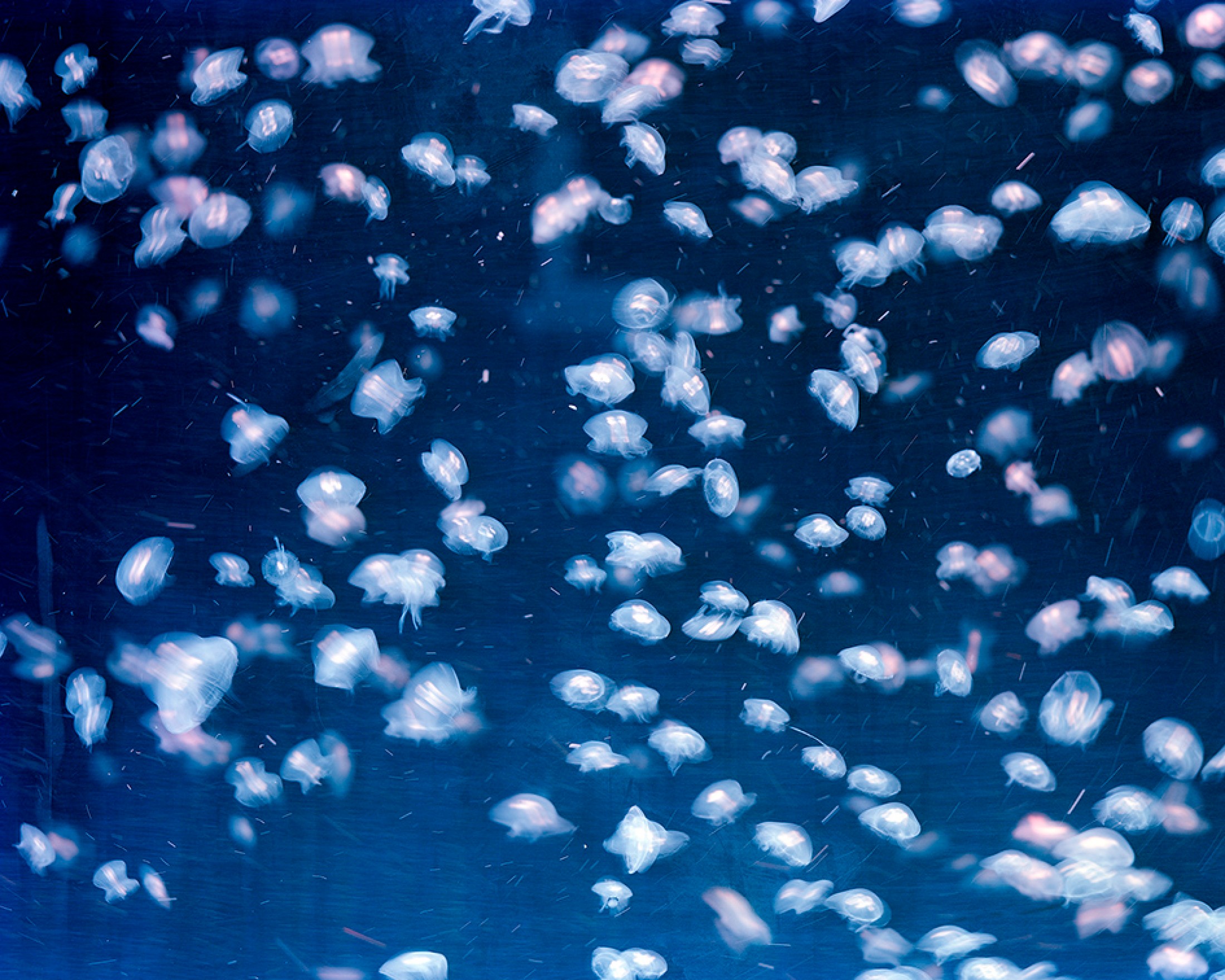
Jellyfish Farm, Künzell, Germany, 2023
© Gregor Sailer
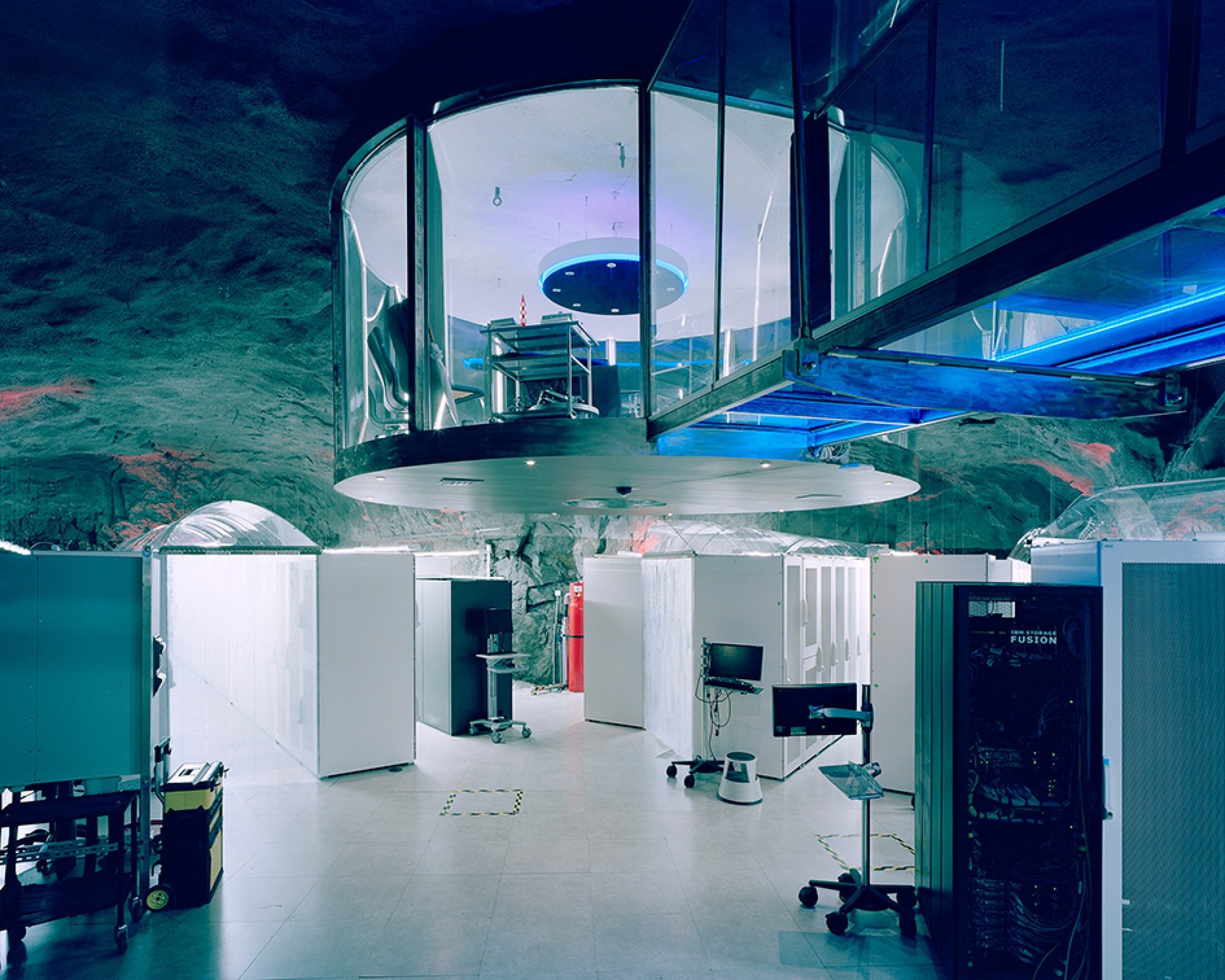
High-security data center, Stockholm, Sweden, 2023
© Gregor Sailer
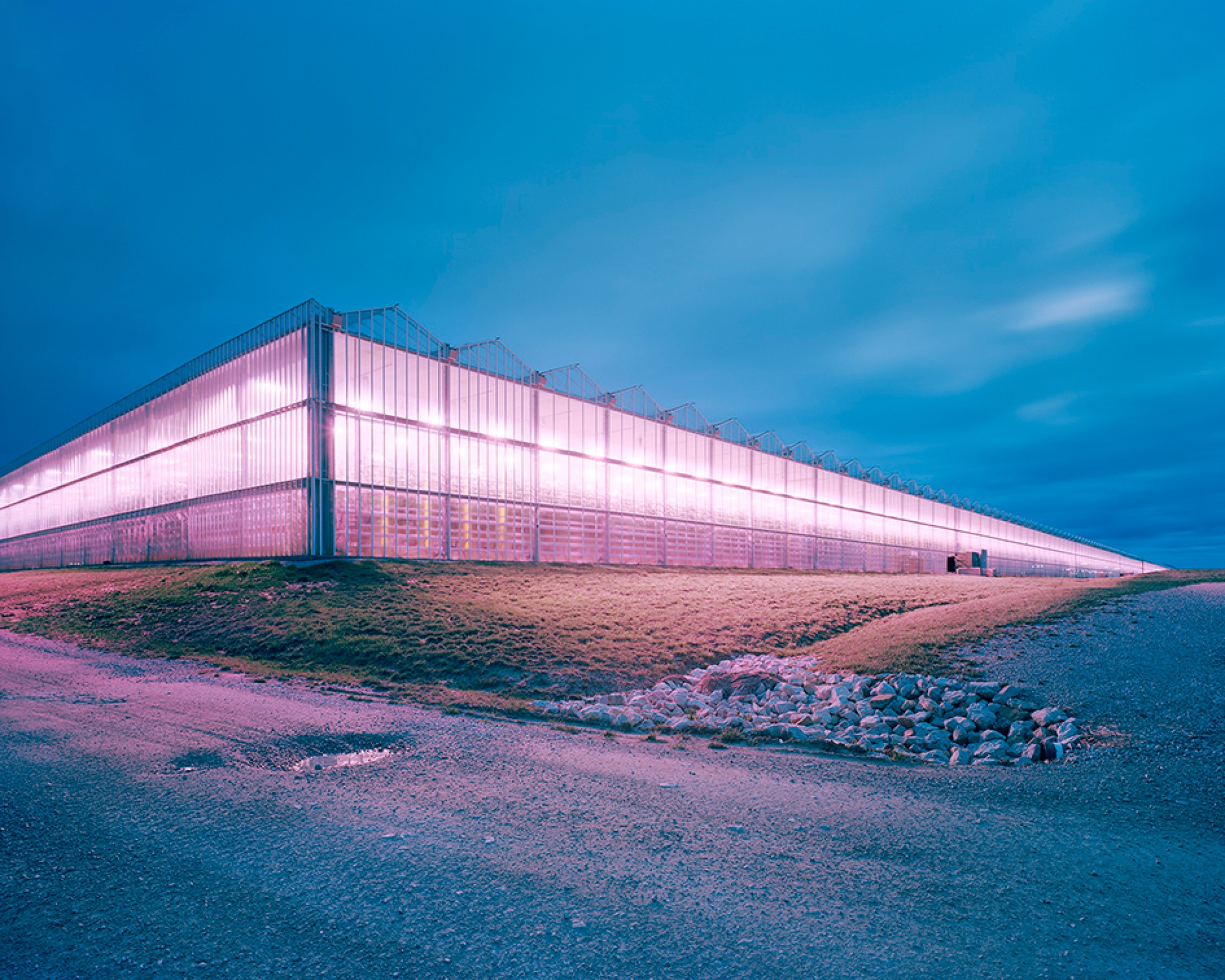
Greenhouse, Morehead, Kentucky, USA, 2023
© Gregor Sailer
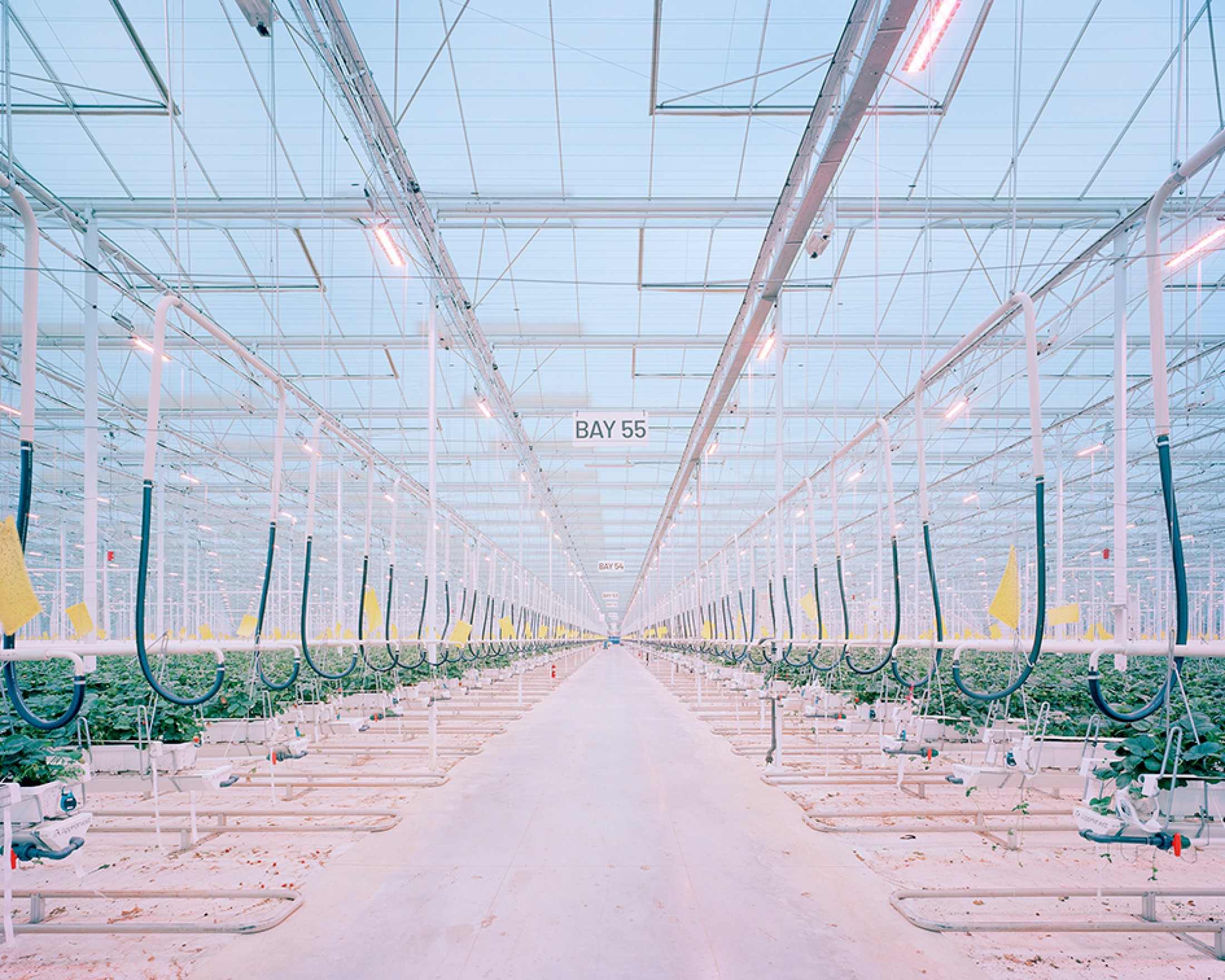
Greenhouse, Somerset, Kentucky, USA, 2023
© Gregor Sailer
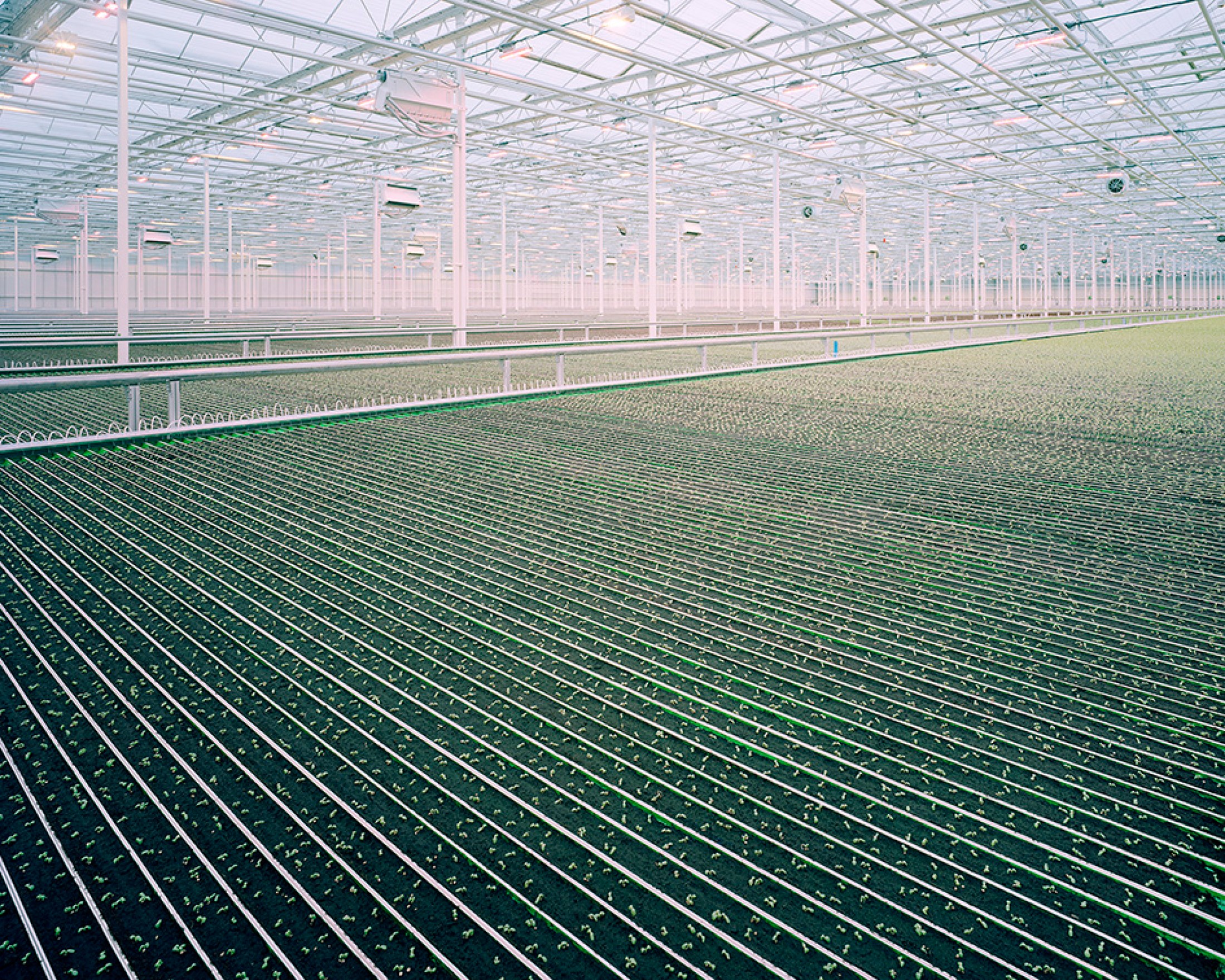
Greenhouse, Berea, Kentucky, USA, 2023
© Gregor Sailer
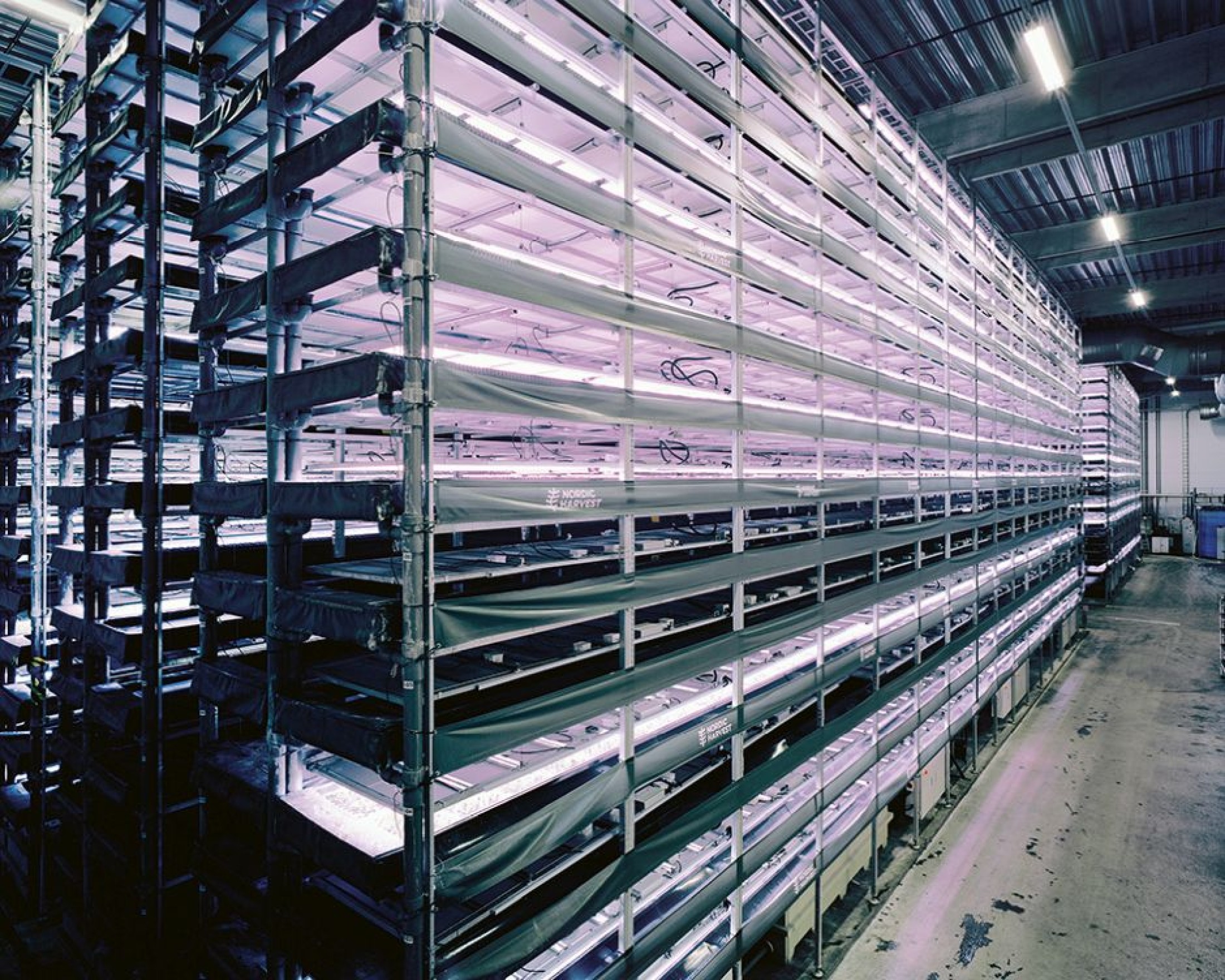
Vertical Farm, Copenhagen, Denmark, 2023
© Gregor Sailer
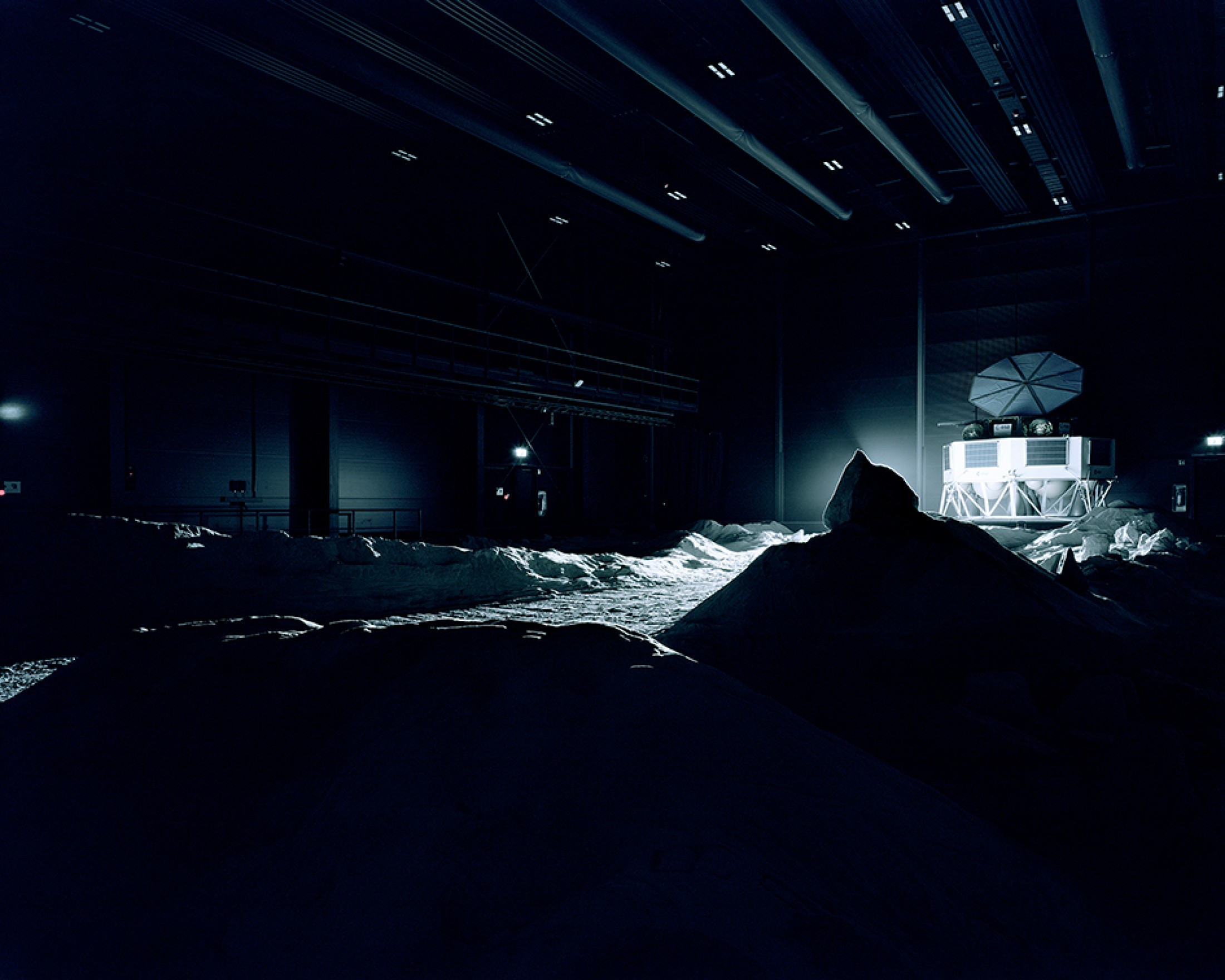
Luna Analog Facility, ESA, Cologne, Germany, 2025
© Gregor Sailer
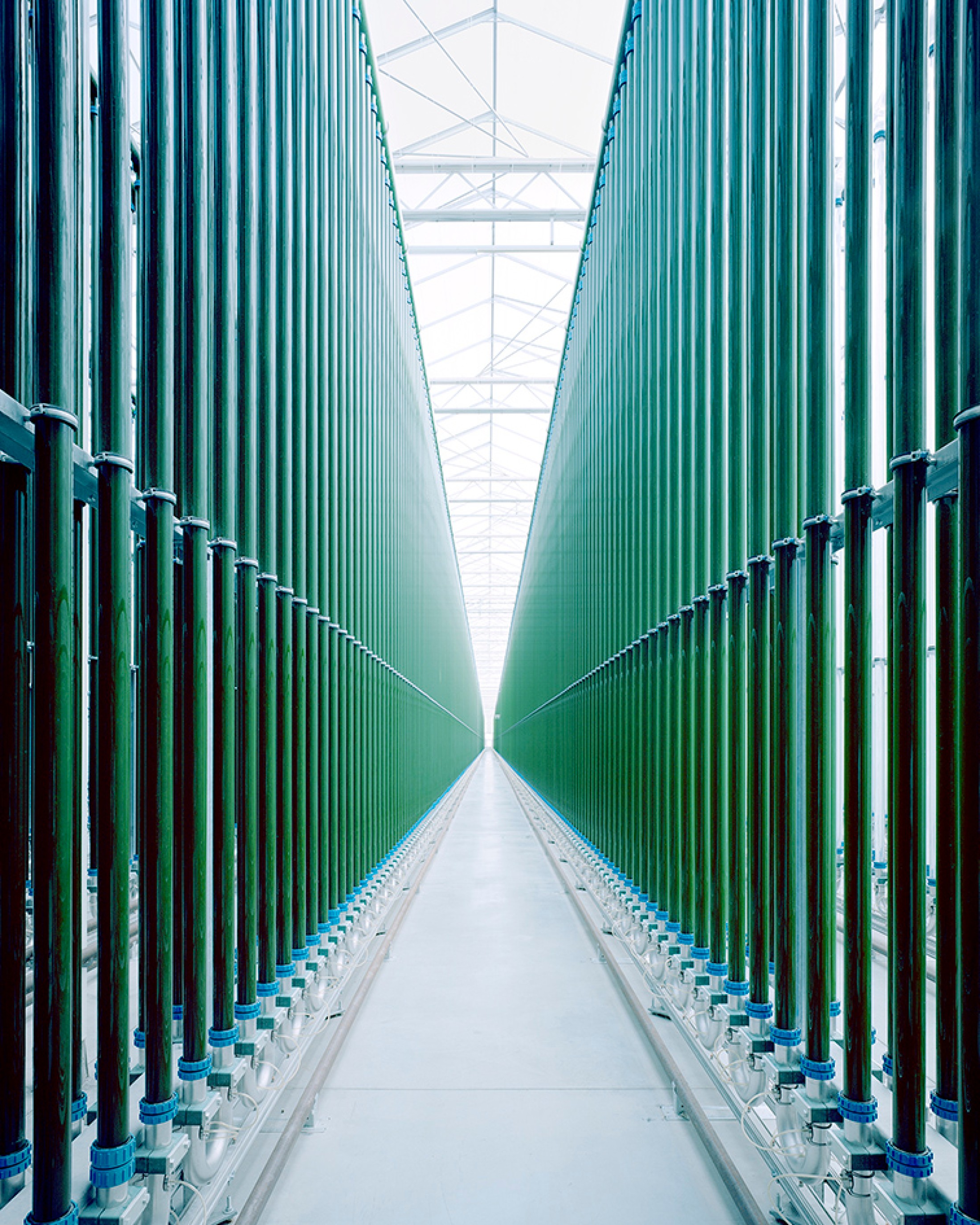
Algae Farm, Bruck an der Leitha, Austria, 2023
© Gregor Sailer
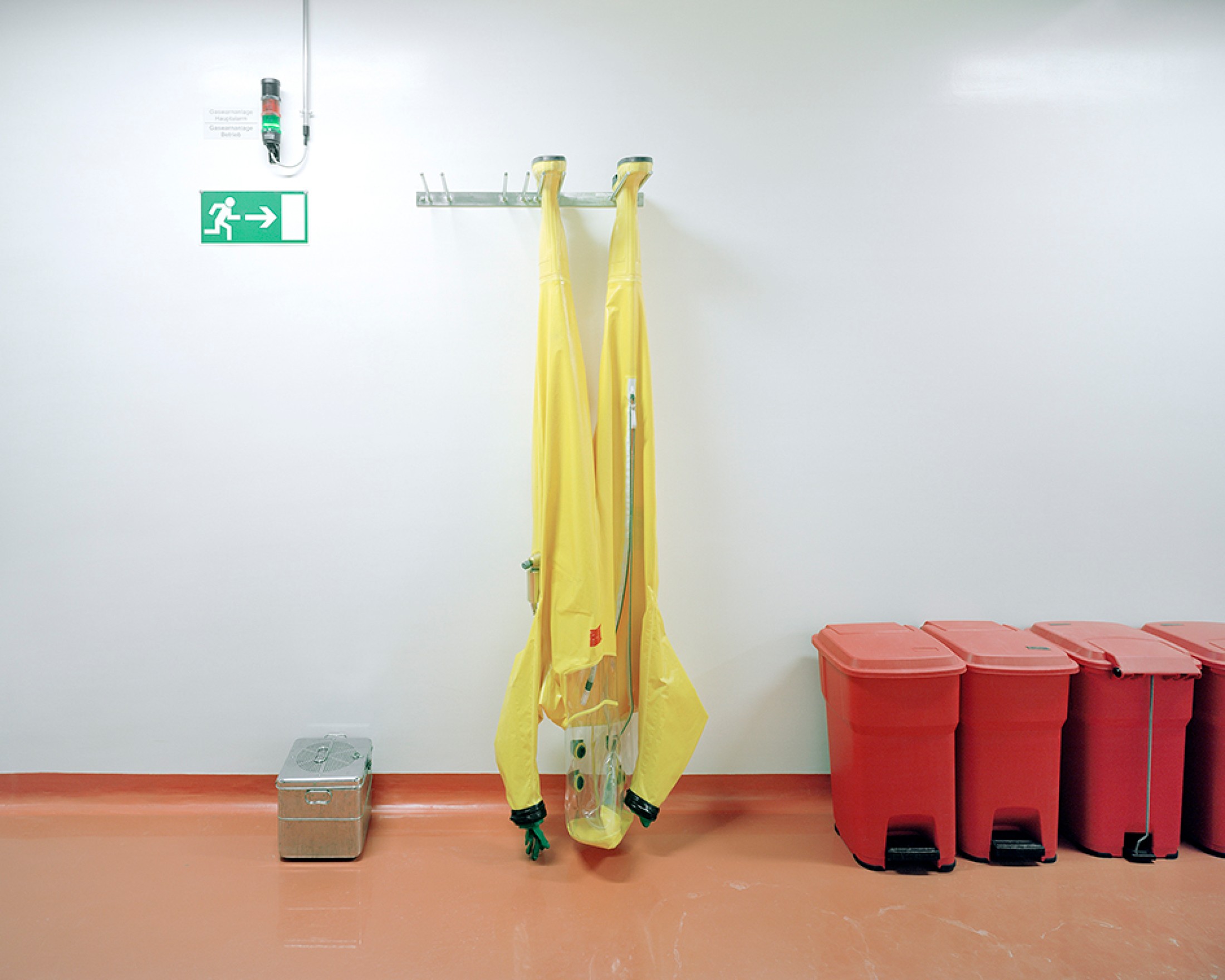
Friedrich-Loeffler-Institut, Riems, Baltic Sea, Germany, 2023
© Gregor Sailer
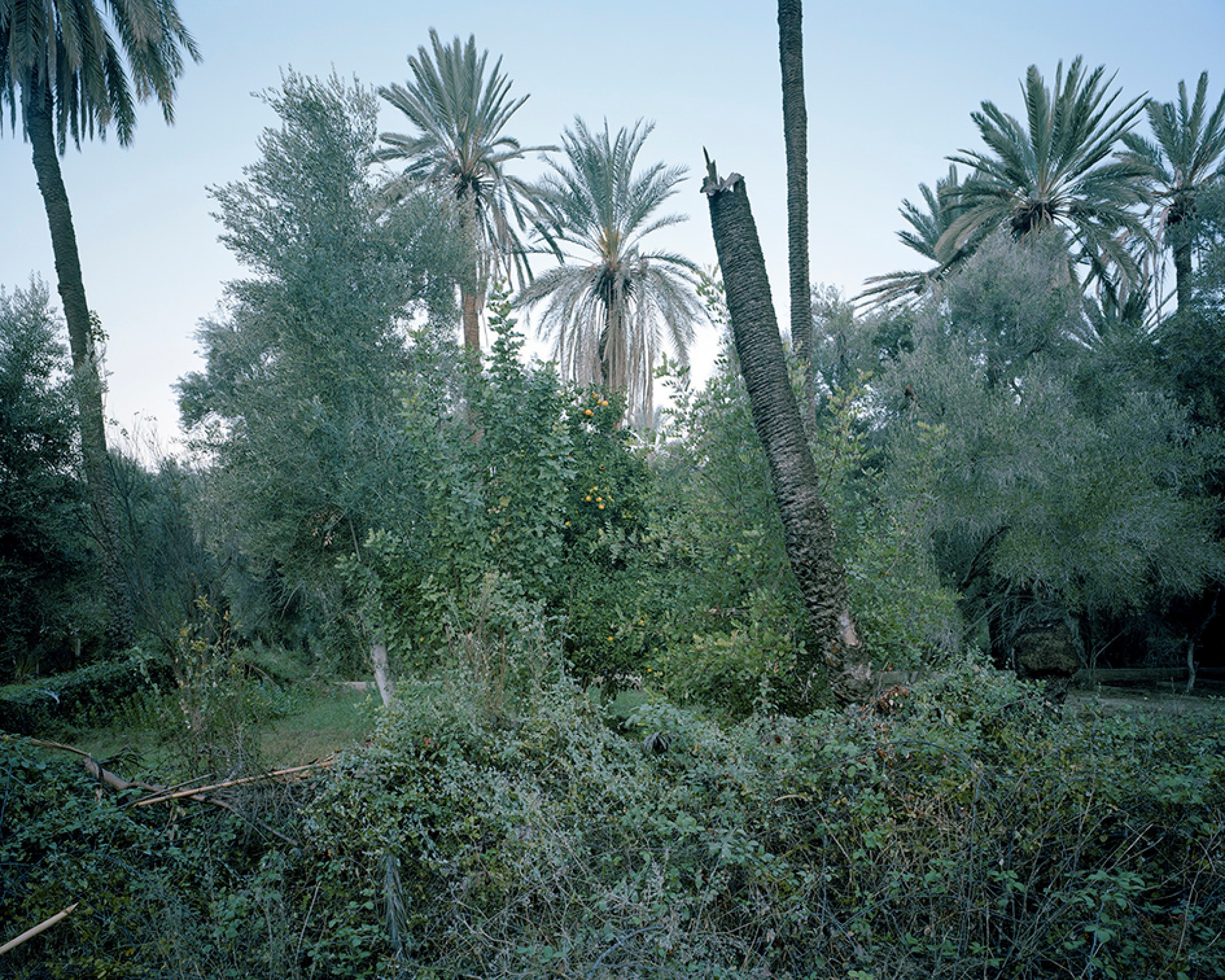
Food Forest, Inraren, High Atlas, Morocco, 2025
© Gregor Sailer
Flächenbelegung
für die Lebensmittelproduktion Pressemappe "Cockaigne. Schlaraffenland der Zukunft?"
Gregor Sailer talks about "Cockaigne. Schlaraffenland der Zukunft?"

