
Caution: High Voltage. The electric accident – a class of its own
03. October 2026
The exhibition is dedicated to electropathology: From their historical development in Vienna and the effects of electricity on the human body, the thematic arc spans from prevention and first aid to medical treatment methods, case histories and electricity accidents in a national and global context.
[Translated by eTranslation]
The phenomenon of electricity has been known since antiquity, the first targeted attempts were made in the 17th century. With the industrialization in the 19th century, the electricity found its way into the cities: Light bulbs, electric trams and neon signs fundamentally changed everyday life. However, many people did not know how to safely handle this new energy, which led to numerous accidents.
In the early years of electrification, suitable electrical protection devices such as insulation, fuse and grounding were lacking. Accordingly, there were often serious accidents in the household and industry. A unified medical approach to treatment did not exist; Many electrical accidents have been treated incorrectly from today's point of view. Among the pioneers who began to systematically investigate the effects of the current was Samuel Jellinek (born 1871 in Prerau, Moravia, d. 1968 in Edinburgh, Scotland). A decisive milestone was the recognition of the "electrical apparent death" and the possibility of a successful revival.
In addition, the current can severely damage the tissue. The heating leads to burns, inside the body also to the destruction of the tissue, to boiling or even to charring. In severe cases, sudden energy exposure leads to real tissue explosions. These medical consequences show the enormous danger of electrical influences on the human organism.
For a long time, victims of electricity accidents were prematurely declared dead – without resuscitation measures, as ventricle fibrillation was considered incurable. Only after Samuel Jellinek recognized the principle of "electric apparent death" did it become apparent that consistent resuscitation can save lives.
In addition to education, technical measures play a central role. In Austria, "zeroing" or grounding was introduced in 1927, in which electrical currents are reliably dissipated in the event of a fault. Later, the FI switch significantly improved personal protection. Today, standards developed, for example, by the Austrian Association for Electrical Engineering regulate the safety of electrical installations.
These findings led to the development of the residual current circuit breaker (FI switch). This continuously compares the flowing current back and forth. If there is a difference (for example, when current flows through the human body), the device switches off the circuit within milliseconds. This significantly reduces the exposure time of the current and thus the risk of serious injuries.
Electricity accidents occur most frequently in the context of construction activities. More people with a migrant background work in Austrian construction than without; they provide more than 50 percent of the value added of the industry. Therefore, statistically, men with a migrant background are most often affected by electricity accidents in Austria. This development has grown historically and is related to the recruitment of migrant workers (so-called guest workers) since the 1960s.
In Austria today, almost all people have access to electricity. Globally, international cooperation has increased the percentage to around 92 in recent decades. With the expansion of electrification, new risks have also arisen: A larger number of electrical systems also means a greater potential for electrical accidents. Therefore, in addition to development policy financing, preventive educational work for laypeople and skilled workers is also necessary.
The special exhibition will be on view until 24 April 2027.
You can find press photos here.
Inquiry note:
Mag. Irina Kubadinow
Head of Press & Public Relations, Press Spokesperson
Tel.: +43 (1) 521 77-410
irina.kubadinow@nhm.at
Mag. Klara Vakaj
Press officer
Tel.: +43 (1) 521 77-626
klara.vakaj@nhm.at
The phenomenon of electricity has been known since antiquity, the first targeted attempts were made in the 17th century. With the industrialization in the 19th century, the electricity found its way into the cities: Light bulbs, electric trams and neon signs fundamentally changed everyday life. However, many people did not know how to safely handle this new energy, which led to numerous accidents.
In the early years of electrification, suitable electrical protection devices such as insulation, fuse and grounding were lacking. Accordingly, there were often serious accidents in the household and industry. A unified medical approach to treatment did not exist; Many electrical accidents have been treated incorrectly from today's point of view. Among the pioneers who began to systematically investigate the effects of the current was Samuel Jellinek (born 1871 in Prerau, Moravia, d. 1968 in Edinburgh, Scotland). A decisive milestone was the recognition of the "electrical apparent death" and the possibility of a successful revival.
Medical current effects in the human body
How electricity affects the human body was identified by investigating electrical accidents as well as by targeted experiments (among others by Samuel Jellinek). It was shown that electrical influences cause characteristic injuries. Typical is the so-called electricity mark – a local skin change at entry or exit points of the electricity. This differs significantly from thermal burns and usually runs without infection. Cardiac fibrillation is particularly dangerous: The heart muscle gets out of rhythm, vital pumping movements are omitted. Without rapid defibrillation, this often leads to death.In addition, the current can severely damage the tissue. The heating leads to burns, inside the body also to the destruction of the tissue, to boiling or even to charring. In severe cases, sudden energy exposure leads to real tissue explosions. These medical consequences show the enormous danger of electrical influences on the human organism.
For a long time, victims of electricity accidents were prematurely declared dead – without resuscitation measures, as ventricle fibrillation was considered incurable. Only after Samuel Jellinek recognized the principle of "electric apparent death" did it become apparent that consistent resuscitation can save lives.
Prevention through knowledge and technology
Samuel Jellinek recognized early on the need to impart knowledge to prevent electrical accidents simply and independently of the level of education. He illustrated or had illustrations made of 132 potentially fatal accident scenarios published in 1931. The aim was to guide people to independent "electrohygienic" thinking.In addition to education, technical measures play a central role. In Austria, "zeroing" or grounding was introduced in 1927, in which electrical currents are reliably dissipated in the event of a fault. Later, the FI switch significantly improved personal protection. Today, standards developed, for example, by the Austrian Association for Electrical Engineering regulate the safety of electrical installations.
From Power Accident to FI Circuit Breaker
The Viennese physicist Gottfried Biegelmeier (1924–2007) specialised in electroprotection and electropathology. After his studies, he realized during his work in testing institutes that legal regulations alone do not provide sufficient protection against electricity accidents. Therefore, he devoted himself to the question of how dangerous contact currents can be technically prevented. Through his research (also through self-experiments) he succeeded in proving that a rapid interruption of the current flow is life-saving.These findings led to the development of the residual current circuit breaker (FI switch). This continuously compares the flowing current back and forth. If there is a difference (for example, when current flows through the human body), the device switches off the circuit within milliseconds. This significantly reduces the exposure time of the current and thus the risk of serious injuries.
Electricity accidents in Austria – risk and treatment
The medical care in Austria is very well organized, the rescue chain works reliably and necessary measures are taken quickly. After high-voltage accidents, inpatient treatment is necessary in any case. But even after low-voltage accidents without acute symptoms, a medical examination by means of 12-channel ECG is recommended. In case of abnormalities, loss of consciousness, pre-existing conditions, pregnancy, persistent complaints, burns or secondary accidents, at least 24-hour monitoring is required.Electricity accidents occur most frequently in the context of construction activities. More people with a migrant background work in Austrian construction than without; they provide more than 50 percent of the value added of the industry. Therefore, statistically, men with a migrant background are most often affected by electricity accidents in Austria. This development has grown historically and is related to the recruitment of migrant workers (so-called guest workers) since the 1960s.
In Austria today, almost all people have access to electricity. Globally, international cooperation has increased the percentage to around 92 in recent decades. With the expansion of electrification, new risks have also arisen: A larger number of electrical systems also means a greater potential for electrical accidents. Therefore, in addition to development policy financing, preventive educational work for laypeople and skilled workers is also necessary.
The special exhibition will be on view until 24 April 2027.
You can find press photos here.
Inquiry note:
Mag. Irina Kubadinow
Head of Press & Public Relations, Press Spokesperson
Tel.: +43 (1) 521 77-410
irina.kubadinow@nhm.at
Mag. Klara Vakaj
Press officer
Tel.: +43 (1) 521 77-626
klara.vakaj@nhm.at
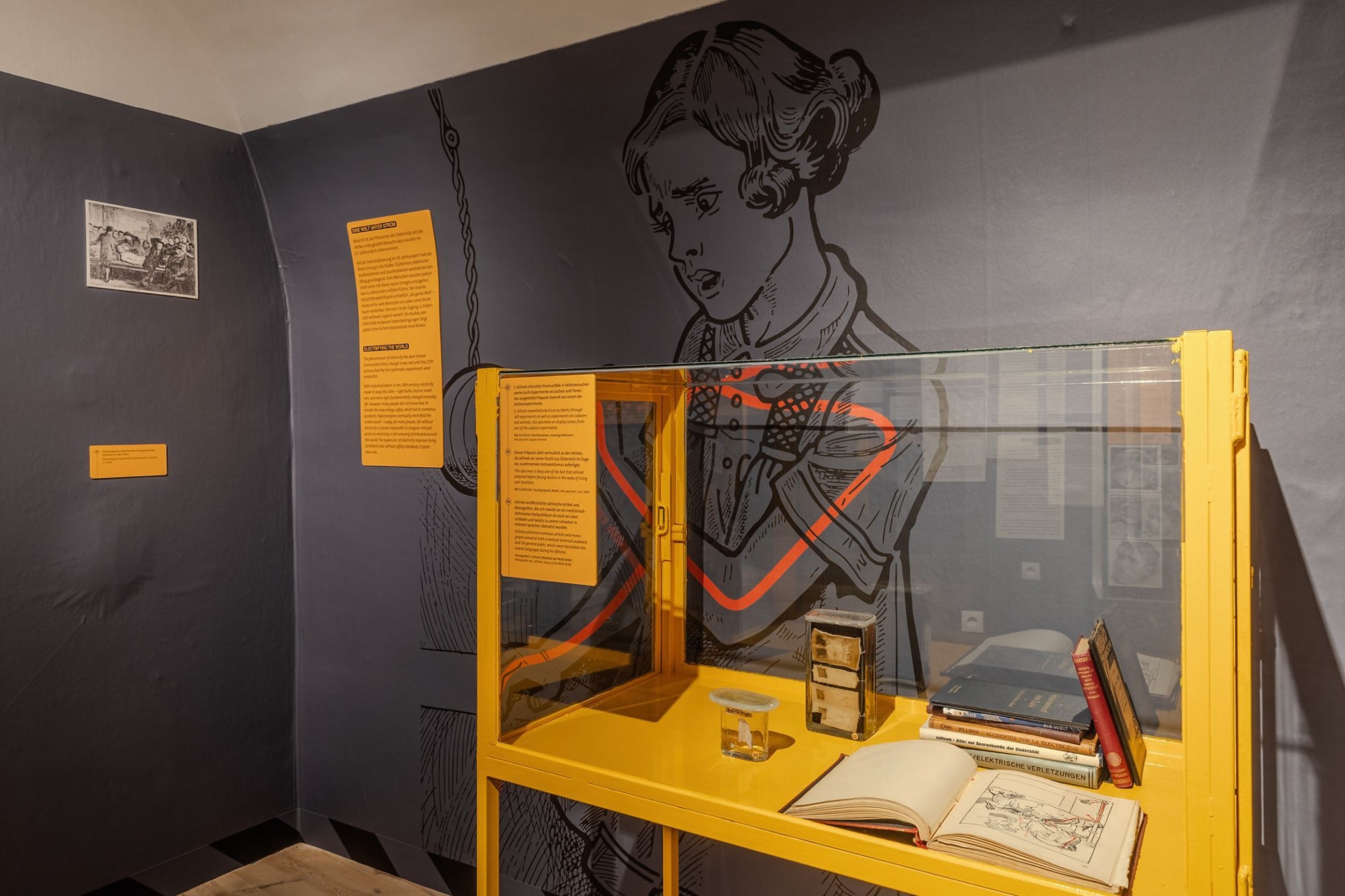
Special exhibition "Caution: High Voltage. The electric accident – a class of its own"
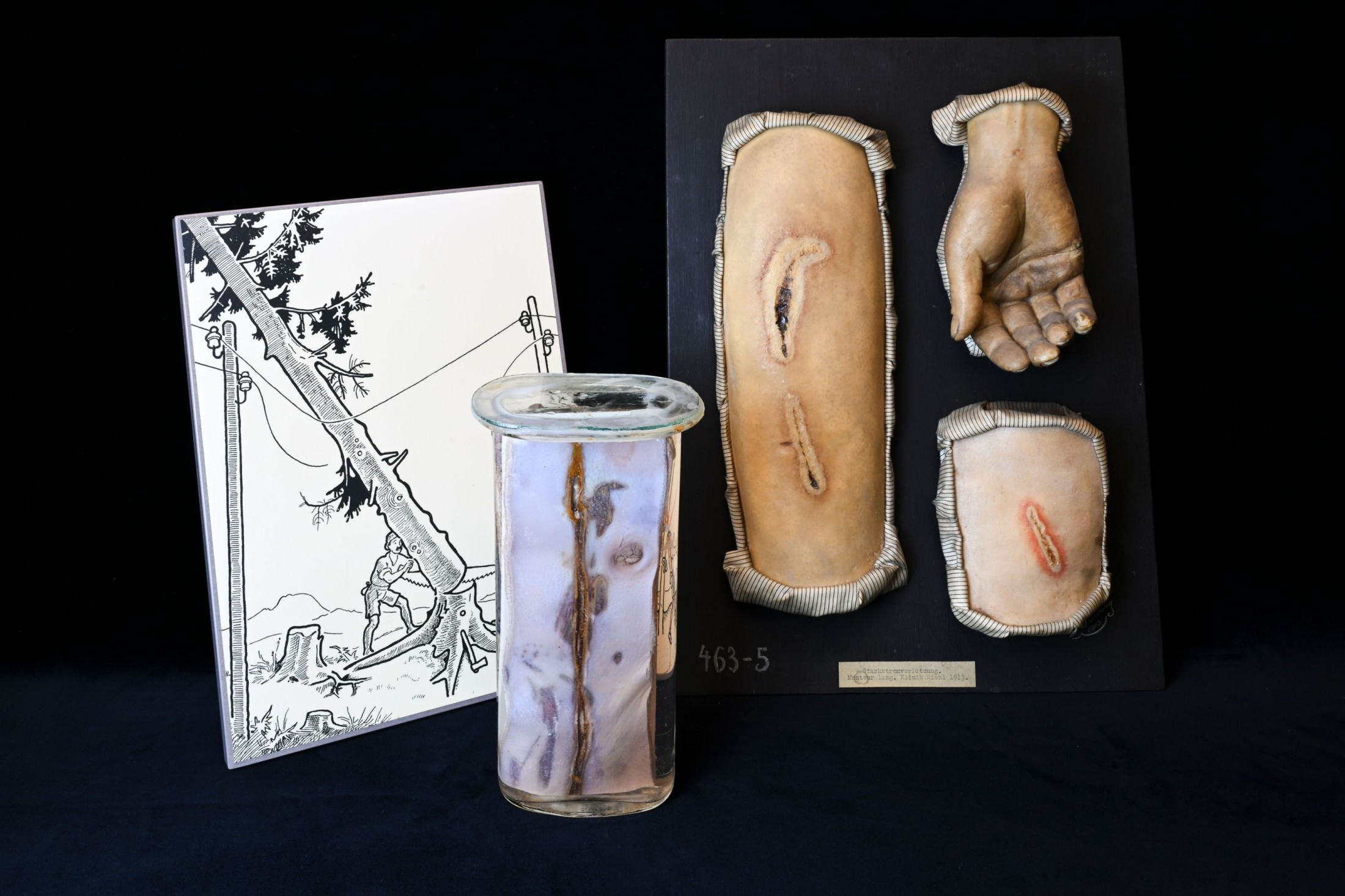
Special exhibition "Caution: High Voltage. The electric accident – a class of its own"
© NHM Wien, Chloe Potter
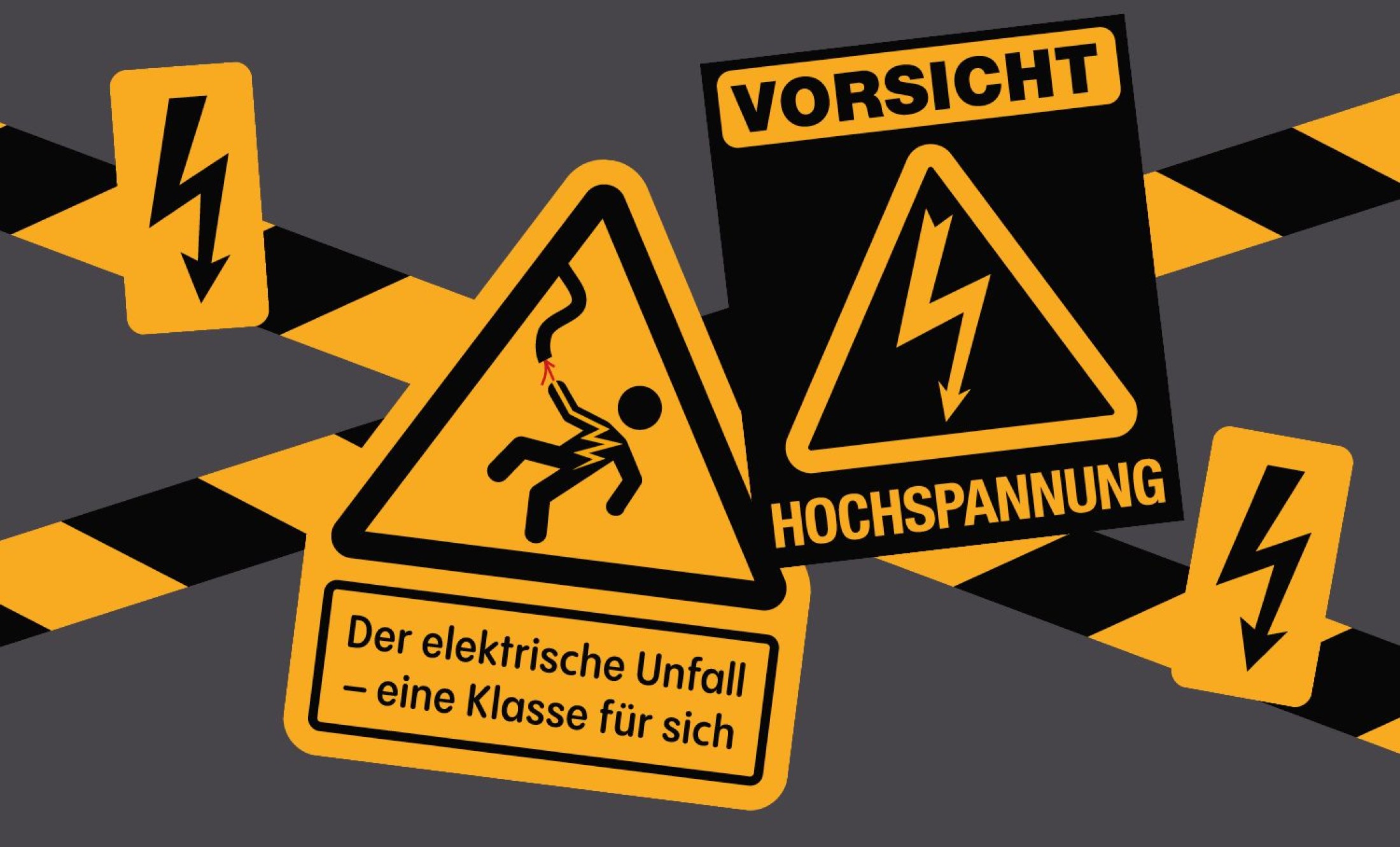
Special exhibition "Caution: High Voltage. The electric accident – a class of its own"
© NHM Wien

