
New meteorite in the Austrian showcase: Mallnitz meteorite arrived at the Natural History Museum Vienna
04. November 2025
The year 2024 was a good year for the Austrian meteorites! In addition to the spectacular
case at Haag (Lower Austria) on 24 October 2024, a promising looking stone was already brought to NHM Vienna at the beginning
of September last year. A look inside the find revealed: It is a stony meteorite!
[Translated
by eTranslation]
The find as such occurred in July 2024 on a hike in the Tauerntal (Carinthia). On the economic trail filled with light limestone, near the Jamnigalm northwest of Mallnitz, the finder was struck by a stone with a dark, smooth crust under the otherwise bright and sharp-edged fragments of the gravel. The special stone was pressed into the ground and half "buried" in the path. Nevertheless: In the watchful eyes of the studied biologist and earth scientist, he was conspicuous ... and was recovered.
Now the stone meteorite is officially classified, i.e. it has been accepted by the International Committee for the Naming of Meteorites and entered in the Meteoritical Bulletin. Submitting a meteorite for classification requires some well-defined analyses of the composition and constitution of the meteorite and takes a certain amount of time. According to the rules of the Meteoritical Bulletin, the new Austrian meteorite was named after the location of its find: Mallnitz (Carinthia).
Mallnitz, like the other nine officially recognised meteorites from Austria, is an ordinary chondrite. Ordinary chondrites take the first place worldwide with a frequency of about 85 % of all recorded meteorites. Mallnitz is of type H5, i.e., a relatively iron-rich chondrite, which underwent precisely defined changes on the mother's body due to elevated temperatures. The measurement of the activity of the short-lived radionuclide manganese-54 (half-life 312 years) in a special laboratory in Dresden (rock cellar laboratory of the VKTA Dresden) proves that Mallnitz fell less than 10 years ago.
"In addition, the fission product cesium-137 – a contamination from the 1986 Chernobyl accident – proved that Mallnitz actually struck Europe and was exposed to local weather for some time there," explains Dr. Andrea Patzer, curator of the meteorite collection of the NHM Vienna.
Further research, including at the Vienna Environmental Research Accelerator (VERA) at the University of Vienna, will help to reconstruct the original size and residence time of Mallnitz in space. The publication of all analyses carried out by a consortium of six scientists from six institutions and four countries at the new Austrian meteorite Mallnitz will be published in a journal next year.
From 5 November 2025, a polished disc and a model of Mallnitz will be on display in the Austrian showcase in the Meteorite Hall (Room 5) of the Natural History Museum.
The Natural History Museum Vienna is home to one of the largest meteorite collections in the world. With 10,779 objects from 2,675 different meteorites, the collection ranks third, only surpassed by the U.S. National Museum in Washington, D.C., and the large collection of Antarctic meteorites in Tokyo (National Institute of Polar Research).
The meteorite collection of the Natural History Museum Vienna is also the world's oldest meteorite show and has been awarded a ‘Geo-Collection’ by the International Union of Geological Sciences' World Geological Heritage Committee in 2024 for these reasons.
Scientific inquiry note:
Dr. Andrea Patzer
Curator of the Meteorite Collection, NHM Vienna
https://orcid.org/0000-0003-2224-3452
andrea.patzer@nhm.at
Tel.: +43 (1) 52177-393
Dr. Julia Walter-Roszjár
Co-curator of the Meteorite Collection, NHM Vienna
https://orcid.org/0000-0001-9921-5500
julia.walter-roszjár@nhm.at
Tel.: +43 (1) 52177-393
General request for information:
Mag. Irina Kubadinow
Head of Press & Public Relations, Press Spokesperson
https://www.nhm.at/irina_kubadinow
Tel.: +43 (1) 521 77-410 I irina.kubadinow@nhm.at
Mag. Klara Vakaj
Press officer
https://www.nhm.at/klara_vakaj
Tel.: +43 (1) 521 77-626 I klara.vakaj@nhm.at
The find as such occurred in July 2024 on a hike in the Tauerntal (Carinthia). On the economic trail filled with light limestone, near the Jamnigalm northwest of Mallnitz, the finder was struck by a stone with a dark, smooth crust under the otherwise bright and sharp-edged fragments of the gravel. The special stone was pressed into the ground and half "buried" in the path. Nevertheless: In the watchful eyes of the studied biologist and earth scientist, he was conspicuous ... and was recovered.
Now the stone meteorite is officially classified, i.e. it has been accepted by the International Committee for the Naming of Meteorites and entered in the Meteoritical Bulletin. Submitting a meteorite for classification requires some well-defined analyses of the composition and constitution of the meteorite and takes a certain amount of time. According to the rules of the Meteoritical Bulletin, the new Austrian meteorite was named after the location of its find: Mallnitz (Carinthia).
Mallnitz, like the other nine officially recognised meteorites from Austria, is an ordinary chondrite. Ordinary chondrites take the first place worldwide with a frequency of about 85 % of all recorded meteorites. Mallnitz is of type H5, i.e., a relatively iron-rich chondrite, which underwent precisely defined changes on the mother's body due to elevated temperatures. The measurement of the activity of the short-lived radionuclide manganese-54 (half-life 312 years) in a special laboratory in Dresden (rock cellar laboratory of the VKTA Dresden) proves that Mallnitz fell less than 10 years ago.
"In addition, the fission product cesium-137 – a contamination from the 1986 Chernobyl accident – proved that Mallnitz actually struck Europe and was exposed to local weather for some time there," explains Dr. Andrea Patzer, curator of the meteorite collection of the NHM Vienna.
Further research, including at the Vienna Environmental Research Accelerator (VERA) at the University of Vienna, will help to reconstruct the original size and residence time of Mallnitz in space. The publication of all analyses carried out by a consortium of six scientists from six institutions and four countries at the new Austrian meteorite Mallnitz will be published in a journal next year.
From 5 November 2025, a polished disc and a model of Mallnitz will be on display in the Austrian showcase in the Meteorite Hall (Room 5) of the Natural History Museum.
The Natural History Museum Vienna is home to one of the largest meteorite collections in the world. With 10,779 objects from 2,675 different meteorites, the collection ranks third, only surpassed by the U.S. National Museum in Washington, D.C., and the large collection of Antarctic meteorites in Tokyo (National Institute of Polar Research).
The meteorite collection of the Natural History Museum Vienna is also the world's oldest meteorite show and has been awarded a ‘Geo-Collection’ by the International Union of Geological Sciences' World Geological Heritage Committee in 2024 for these reasons.
Scientific inquiry note:
Dr. Andrea Patzer
Curator of the Meteorite Collection, NHM Vienna
https://orcid.org/0000-0003-2224-3452
andrea.patzer@nhm.at
Tel.: +43 (1) 52177-393
Dr. Julia Walter-Roszjár
Co-curator of the Meteorite Collection, NHM Vienna
https://orcid.org/0000-0001-9921-5500
julia.walter-roszjár@nhm.at
Tel.: +43 (1) 52177-393
General request for information:
Mag. Irina Kubadinow
Head of Press & Public Relations, Press Spokesperson
https://www.nhm.at/irina_kubadinow
Tel.: +43 (1) 521 77-410 I irina.kubadinow@nhm.at
Mag. Klara Vakaj
Press officer
https://www.nhm.at/klara_vakaj
Tel.: +43 (1) 521 77-626 I klara.vakaj@nhm.at
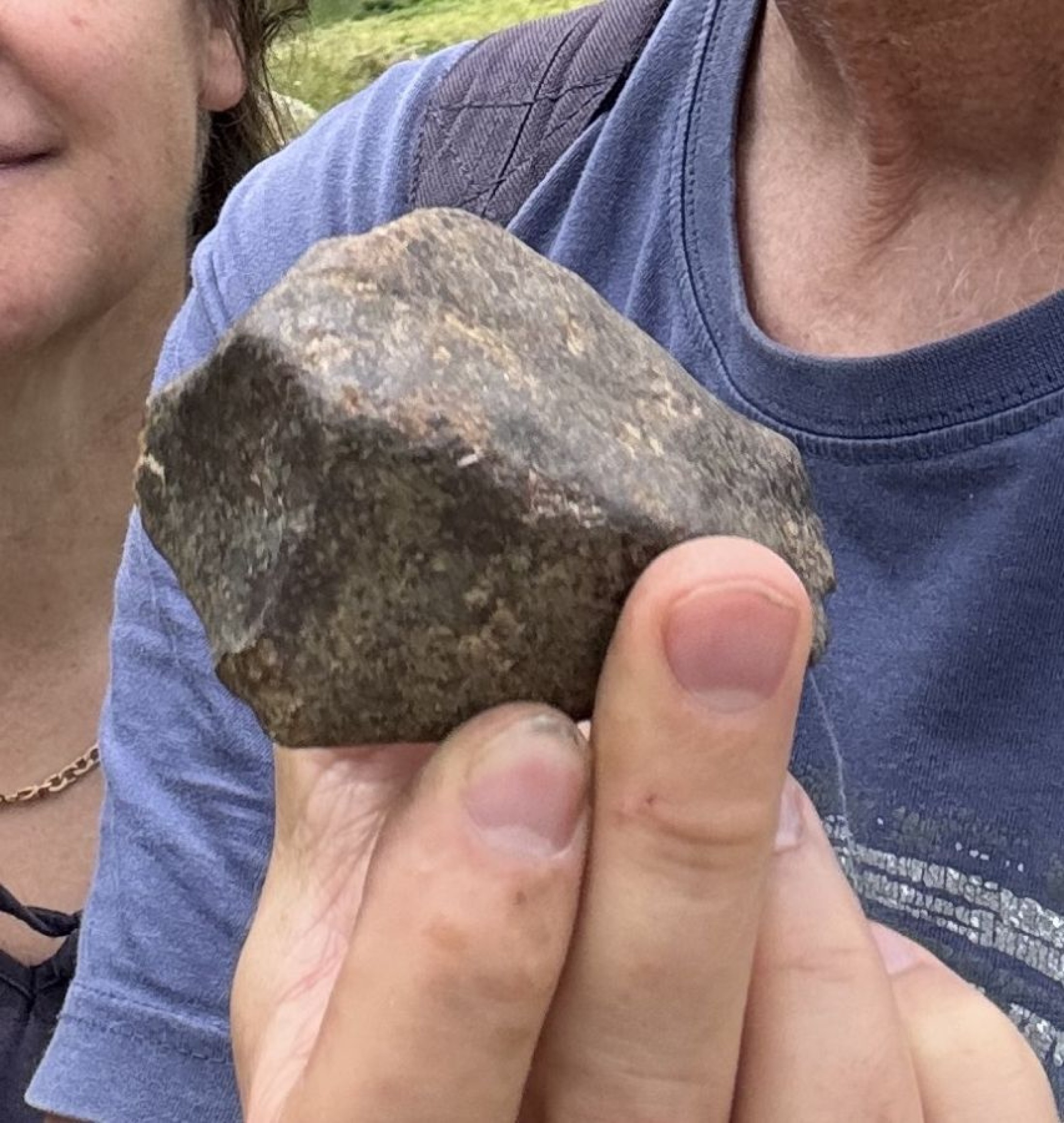
Mallnitz Meteorite
© Gunter Gortan
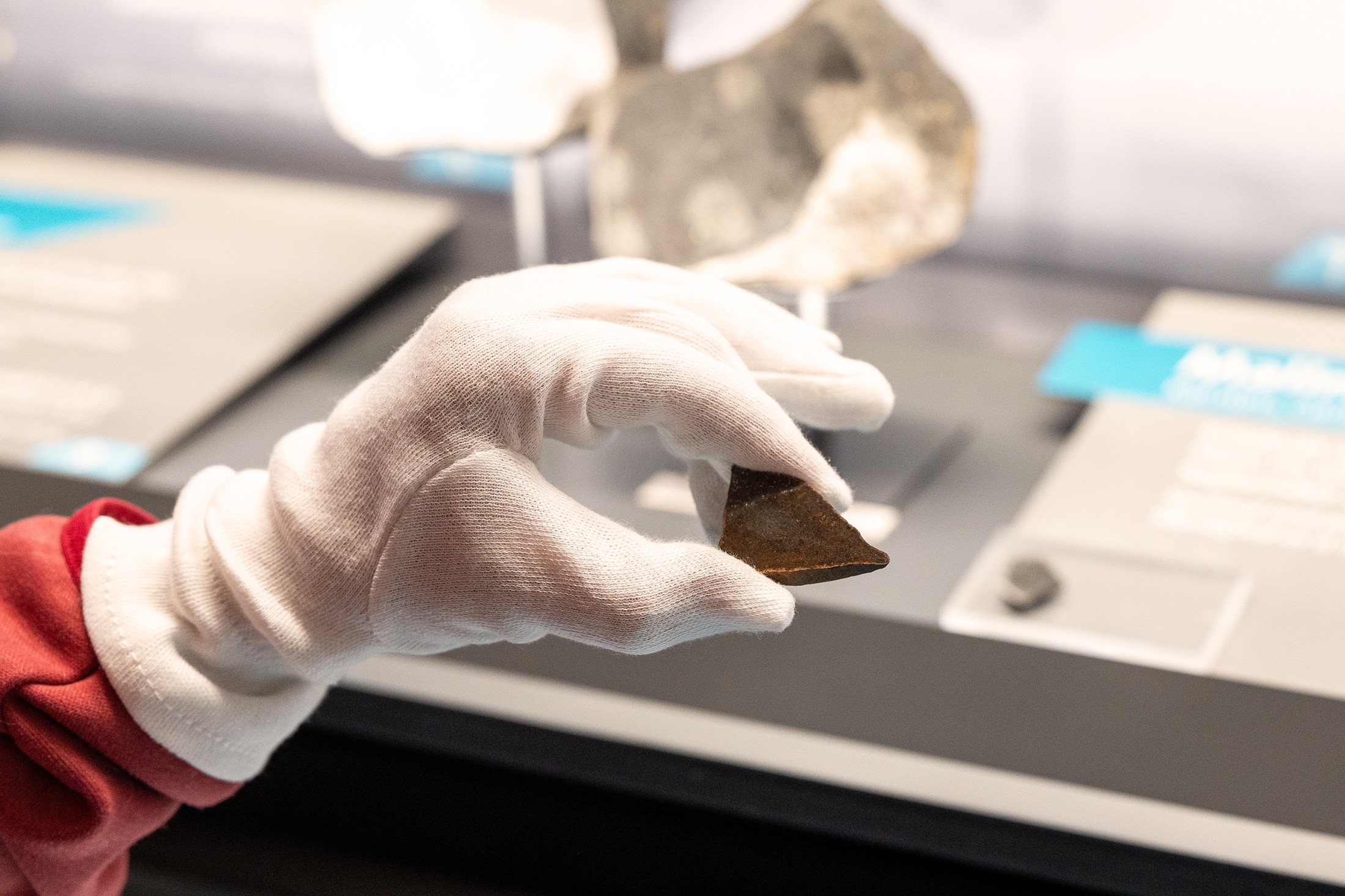
Mallnitz Meteorite at the NHM Vienna
© NHM Wien, Wilhelm Bauer-Thell
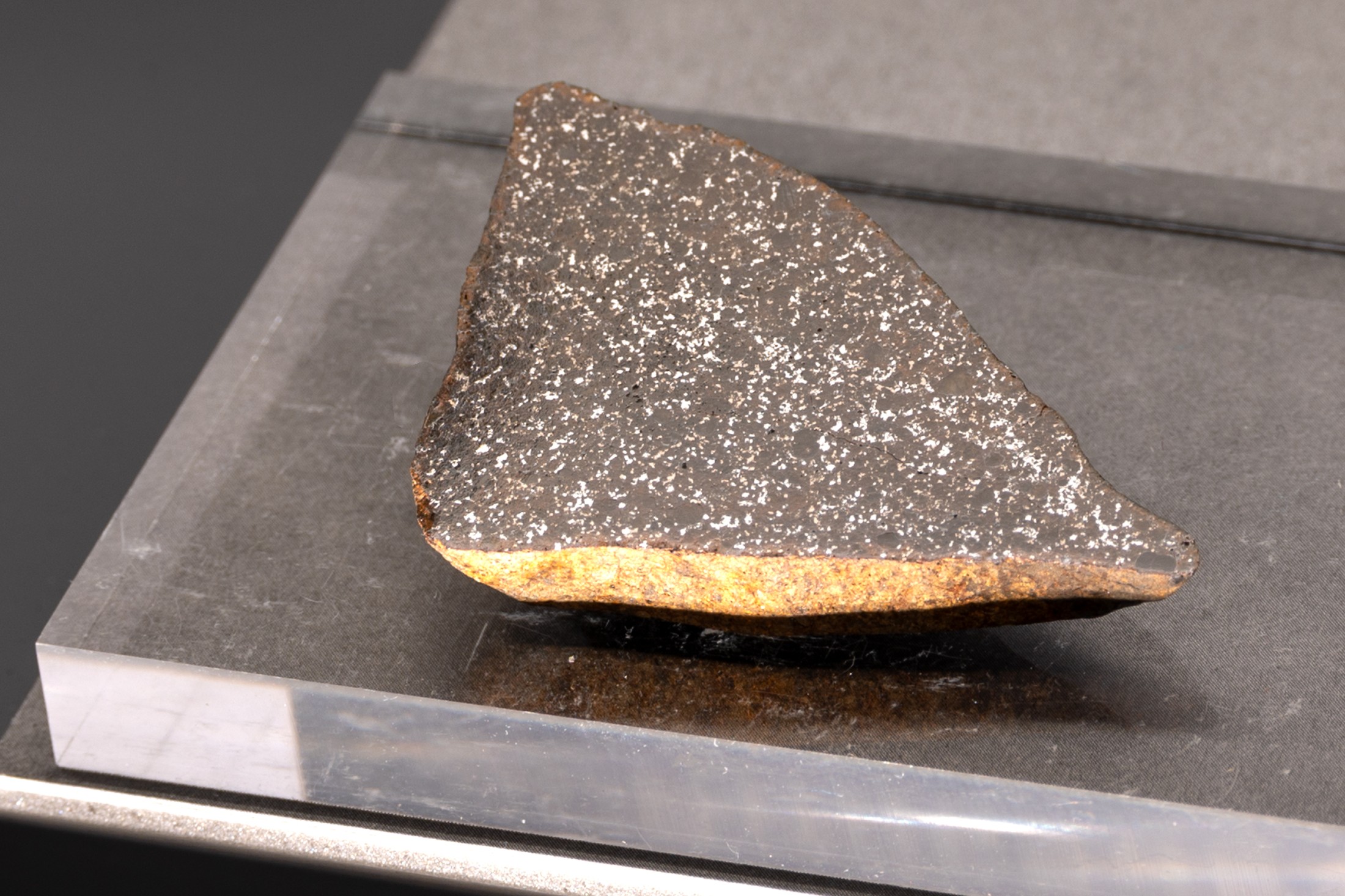
Mallnitz Meteorite at the NHM Vienna
© NHM Wien, Wilhelm Bauer-Thell
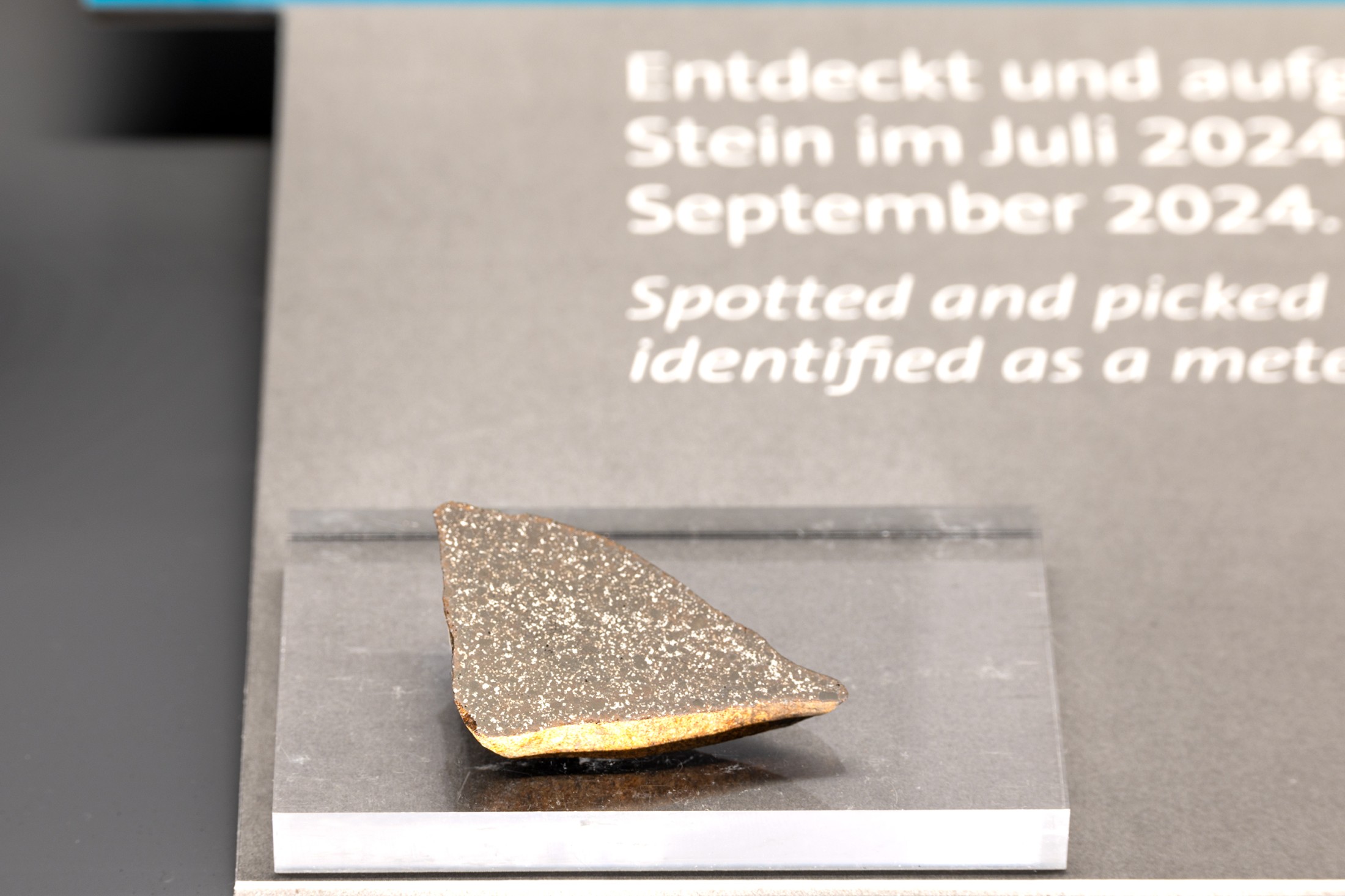
Mallnitz Meteorite at the NHM Vienna
© NHM Wien, Wilhelm Bauer-Thell
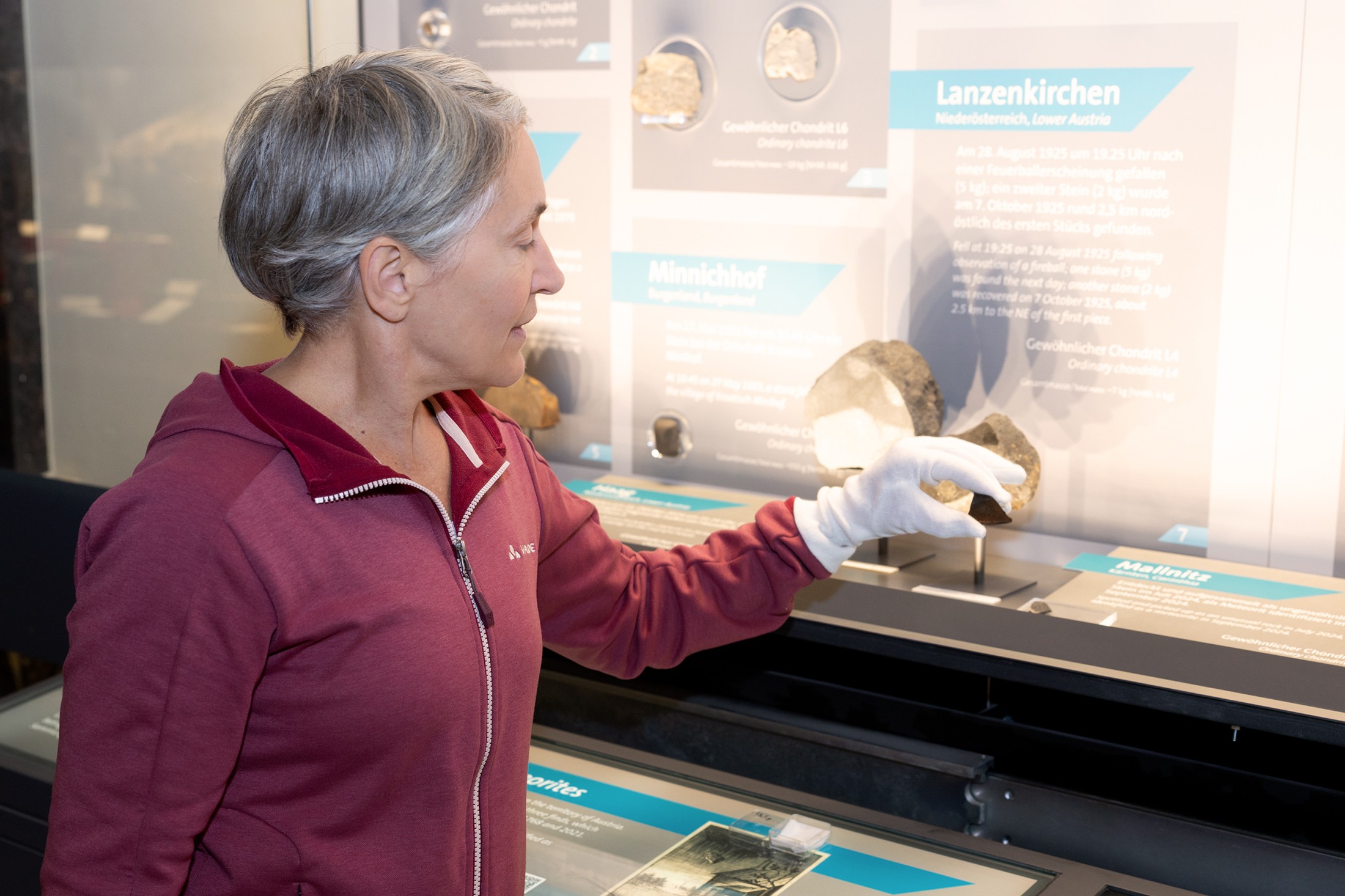
Curator Dr. Andrea Patzer with the Mallnitz Meteorite
© NHM Wien, Wilhelm Bauer-Thell
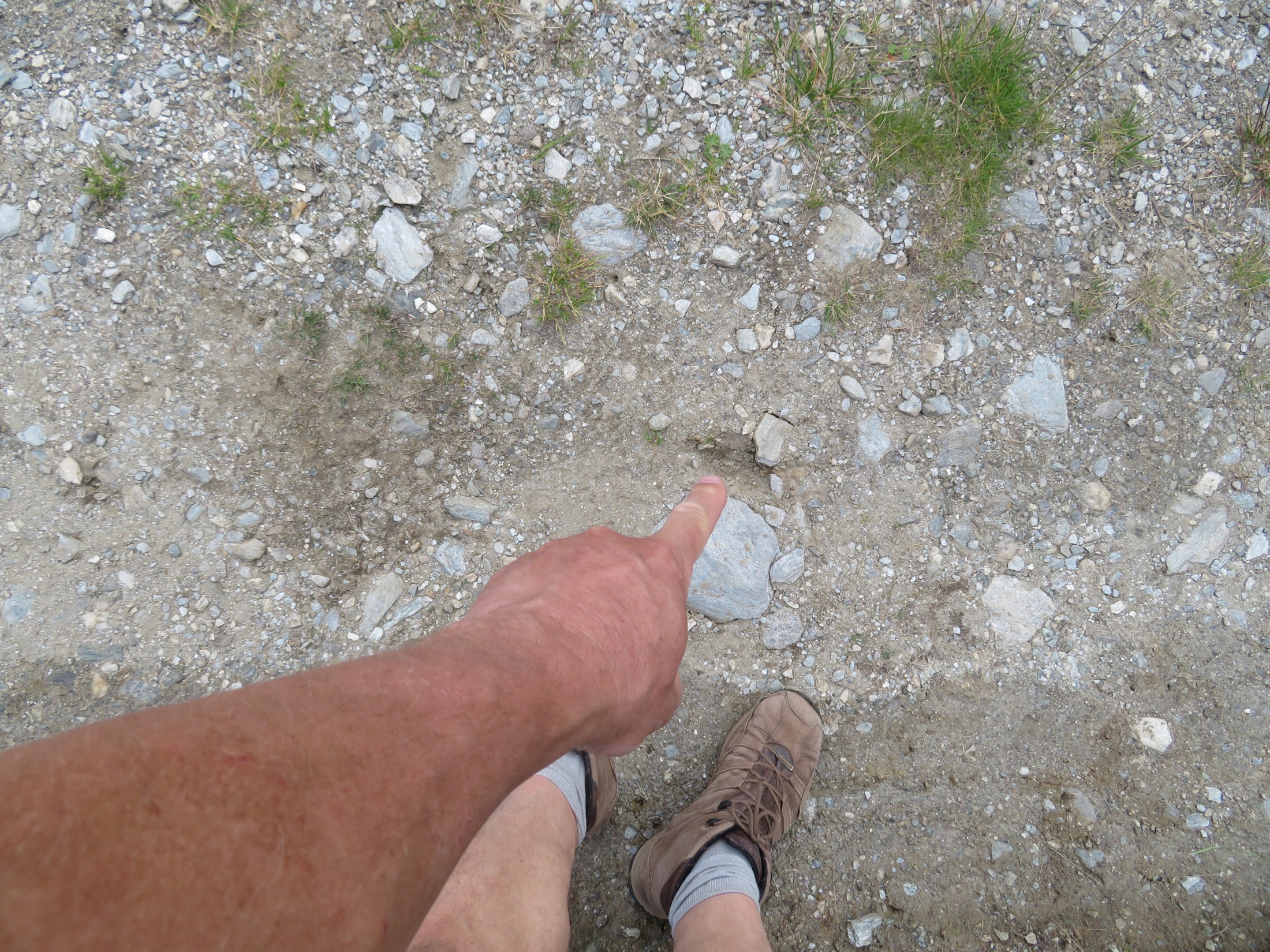
Discovery site of the Mallnitz Meteorite
© Gunter Gortan

