Type genomics: DNA treasure in the collection

12. January 2026
In a joint appeal, an international research team, including Priv.-Doz. Dr. Anja Palandačić and Dr. Nikolaus Szucsich from the NHM Vienna, for the targeted and comprehensive genome sequencing of type specimens – the reference specimens of individual species that are kept in natural history collections. How DNA from type specimens can revolutionize biodiversity research.
[Translated by eTranslation]

In their paper published in the scientific journal "Systematic Biology", the researchers led by first author Dr. Harald Letsch (University of Vienna and State Museum of Natural History Karlsruhe) emphasise the great importance of deciphering these genetic codes for biodiversity research and show how state-of-the-art technologies can be used to create "digital twins" of the often historical museum specimens. The joint initiative - supported by the three largest natural history museums in Germany and Austria as well as scientists from various disciplines - is intended to help preserve these irreplaceable objects for future generations and make the knowledge stored in them globally accessible. 

In scientific collections all over the world there is an undiscovered treasure: DNA of so-called type specimens. There is a specimen of any known species anywhere in the world – an animal, plant or fossil – that has been used to officially describe and name this species. These unique and carefully preserved objects in the collections of museums and research institutions are the "official reference works" of nature. They help researchers to clearly identify and correctly classify species.
 
"Type specimens are the foundation of our biological naming and our understanding of species," explains the first author of the article, Dr. Harald Letsch from the University of Vienna and the Natural History Museum Karlsruhe. "By deciphering their genomes, we can better understand how species are related to each other, how they evolved – and how we can protect them."
 
But time leaves traces: Many of the type specimens are centuries-old, sensitive and endangered – due to ageing processes, improper storage or natural disasters. Thanks to new sequencing technologies, it is now possible to extract genetic information even from very old and fragile objects without destroying them.
 
Scientists from the University of Vienna, the Natural History Museum Vienna, the Senckenberg Gesellschaft für Naturforschung, the Museum für Naturkunde Berlin, the Leibniz Institute for the Analysis of Biodiversity Change and other institutions are creating a framework that supports collection curators and researchers from the fields of taxonomy and genomics in exploiting the great potential of "type genomics" for biodiversity research.
 
The appeal is part of a broader movement to digitize natural history collections. Maintaining the physical integrity of type specimens is often at odds with the desire for their scientific use. Any examination of the physical specimen or its lending to other institutions poses risks to the valuable objects. Modern technologies such as high-throughput sequencing based on minimally invasive DNA extraction methods and the creation of so-called "digital twins" offer new solutions: High-resolution images, morphometric data and genetic information make the properties of the type specimens accessible to science without endangering the original specimens.
 
"The digitization of physical specimens and their accompanying historical information is very important," emphasizes Dr. Anja Palandačić. Museum specimens deteriorate over time, and parts of the collections have already been destroyed by events such as fires and floods. Digitalization therefore acts as an insurance policy. It also makes the specimens available to researchers around the world.
 
"Technologies such as high-resolution imaging and minimally invasive DNA extraction change everything," emphasizes the senior author of the study, Dr. Steffen Pauls from the Senckenberg Research Institute and Nature Museum Frankfurt. "We can extract once-in-a-lifetime large amounts of data from one copy – and then share that information globally without burdening the original again."
 
"The development of data-rich, comprehensively digitized collections through projects such as type genomics makes biodiversity information accessible for worldwide research and underlines the value of museum collections as a central research infrastructure and living archives of Earth's history," adds Dr. Jenna Moore from the Leibniz Institute for the Analysis of Biodiversity Change and Museum of Nature Hamburg.
 
To foster collaboration between curators, taxonomists and genome researchers, the team is developing a strategy to maximize data collection from type specimens while minimizing the impact of DNA collection and other museum analysis methods. "Cooperation is key to optimizing both the quality and the amount of data from type specimens. Ideally, a type specimen is only physically touched once in order to obtain as much information as possible," says Pauls.
 
Museal networks and standardized DNA collection protocols could ensure that genomic data from type specimens are available worldwide in the future. Dr. Iker Irisarri from the Leibniz Institute for the Analysis of Biodiversity Change and the Museo Nacional de Ciencias Naturales (MNCN-CSIC) in Madrid emphasizes: "The development of networked catalogues of natural history collections can accelerate the description of new species and specifically support the conservation of biodiversity, provided that the relevant genome data are openly accessible."
 
Dr. Harald Letsch is convinced: "The provision of genomic information from type specimens is a decisive step in the digital transformation of natural history collections. With collaborative expertise and modern technology, we can revolutionize research and preserve biological knowledge for generations to come.
  
Publication:
Harald Letsch et al., Type genomics: a Framework for integrating Genomic Data into Biodiversity and Taxonomic research, Systematic Biology, 2025 https://academic.oup.com/sysbio/article/74/6/1029/8138649
 
Information on the NHM Vienna and the digitisation of the collection:
Museomics is a relevant term in this context. The NHM Vienna has written an overview publication on this subject. In addition, an international Museomics conference will take place on 23 and 24 March 2026 at the NHM Vienna, in which the authors of the Letsch publication will also participate.
 
With OSCA (Open Scientific Collections Austria), the NHM Vienna acts as the Austrian hub of the European infrastructure DiSSCo (Distributed System of Scientific Collections), which has set itself the goal of digital access to all natural history collections.  
 
Details of the collections of the NHM Vienna have been written down in the collection strategy.
 
Scientific inquiry note:
Prof. Dr. Steffen Pauls
Senckenberg Research Institute and Natural History Museum Frankfurt
Tel.: + 49 (0)69 7542 1222 I steffen.pauls@senckenberg.de
 
Dr. Harald Letsch
University of Vienna / State Museum of Natural History Karlsruhe
Tel.: +43 (1) 4277 57403 I harald.letsch@univie.ac.at
 
Priv.-Doz. Dr. Anja Palandačić
1. Zoology, NHM Vienna
 https://www.nhm-wien.ac.at/anja_palandacic
Tel.: + 43 (1) 521 77-212 I anja.palandacic@nhm.at
 
Dr. Nikolaus Szucsich
ABOL Coordinator, NHM Vienna
 https://www.nhm-wien.ac.at/nikolaus_szucsich
Tel.: + 43 (1) 521 77-435 I nikolaus.szucsich@nhm.at
 
General request for information:
Mag. Irina Kubadinov
Head of Press & Public Relations, press spokesperson, NHM Vienna
https://www.nhm.at/irina_kubadinow
Tel.: + 43 (1) 521 77-410 I irina.kubadinow@nhm.at
 
Mag. Klara Vakaj
Press officer, NHM Vienna
https://www.nhm.at/klara_vakaj
Tel.: + 43 (1) 521 77-626 I klara.vakaj@nhm.at
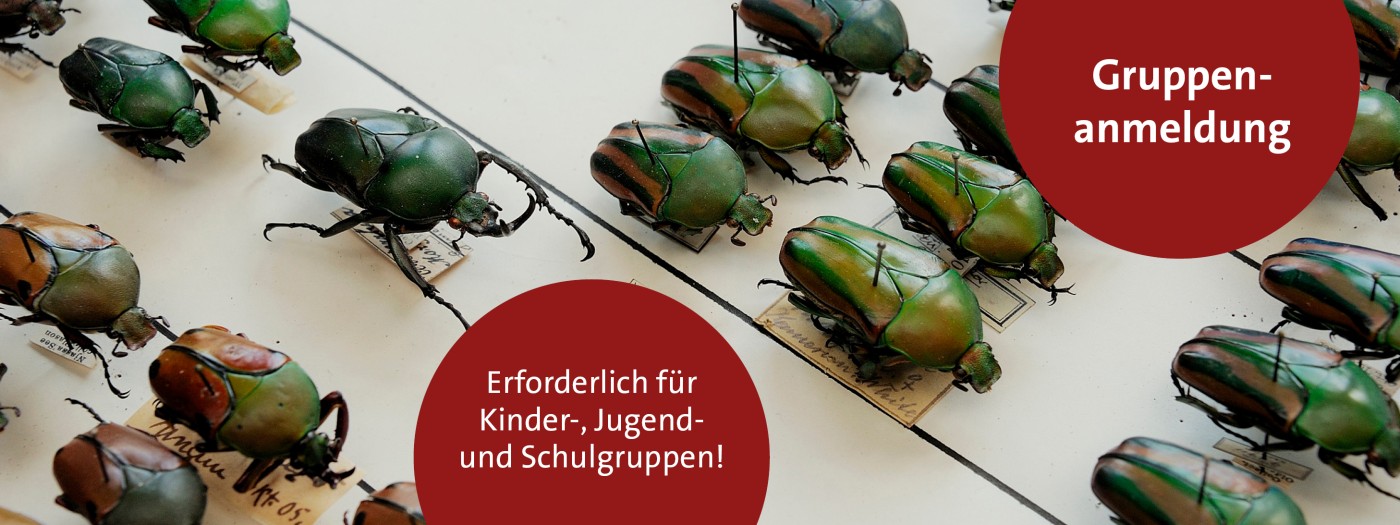
Modern genomic technologies make it possible to create "digital twins" of valuable type specimens without damaging the objects.
© NHM Wien, Harald Letsch
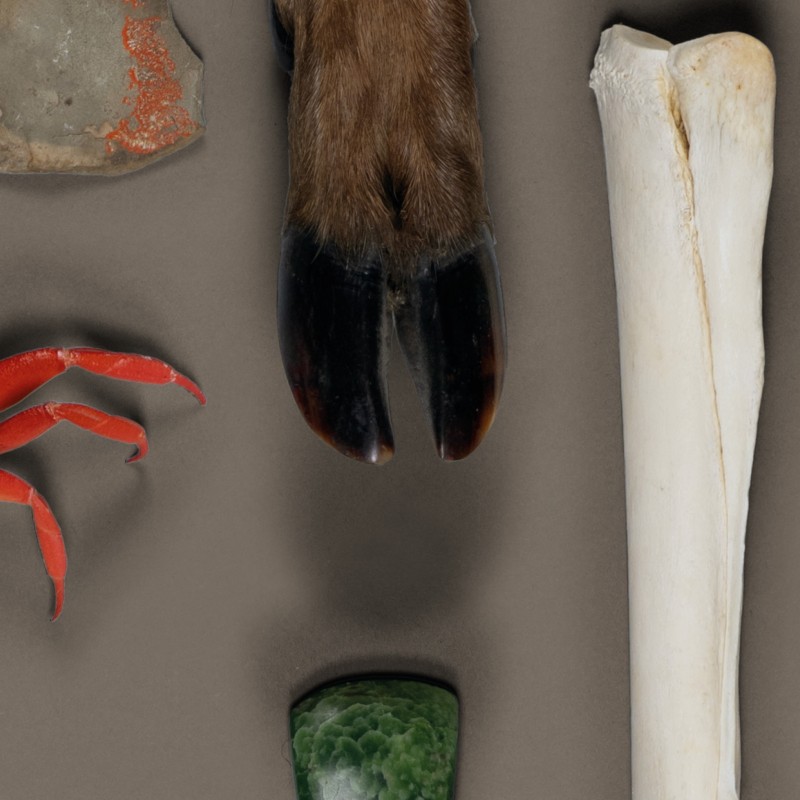
For every known species, there is a type specimen in natural history collections that was used for the official description and naming of the species. The DNA of these specimens is invaluable for biodiversity research.
© Leibniz-Institut zur Analyse des Biodiversitätswandel, Karen Meusemann
  
Ticket Shop