
Press tour for the new special exhibition "Safe sex. Comeback of venereal diseases"
03. June 2025
On Tuesday, 3 June 2025, at 10.30 a.m.
Location: Pathological-Anatomical Collection in the Narrenturm, Spitalgasse 2, University Campus, Courtyard 6, 1090 Vienna
Location: Pathological-Anatomical Collection in the Narrenturm, Spitalgasse 2, University Campus, Courtyard 6, 1090 Vienna
Lust & Risk - Why we should talk about STDs:
Recent research shows an increase in cases of sexually transmitted infections (STIs). This can happen to anyone, regardless of age, gender, sexual orientation or socioeconomic status. The new special exhibition "Safe Sex. Comeback of venereal diseases" in the Fool's Tower gives an insight into the history and clinical pictures of various STIs, but also into prevention and current treatment methods.
Your interlocutors are:
Dr. Katrin Vohland
Director General and Scientific Director, NHM Vienna
Eduard Winter and Laura Lick, MA
Curators of the special exhibition, NHM Vienna
Dr. Horst Schalk
General Practitioner
Mag. Andrea Brunner
Managing Director, Aids Hilfe Wien
STIs are probably as old as humanity. First descriptions can already be found in reports from ancient Egypt and the Old Testament. The term gonorrhea comes from ancient Greek and means nothing more than sperm flow. The Greek doctor Galen recommended sexual abstinence as a therapy in the 2nd century, so the sexual transmission of diseases was already known at that time.
In the 15th century, the advent of syphilis led to a more in-depth examination of venereal diseases. The cause, however, was often seen in a "burdened and unflattering" way of life, as a supposed punishment from God. Soil effluents or "venere poisons" were also used to explain the diseases. "Veneric" refers to the goddess of love Venus – an allusion to the connection between shame and sexuality. The developing medical field has been and is called venerology. The most common diseases that venerologists dealt with in the early days were syphilis, gonorrhea, lymphogranuloma venereum, granuloma inguinale and ulcer molle. In the meantime, medicine has become much more familiar with diseases – today it is referred to as sexually transmitted infections (STIs).
Currently, syphilis, gonorrhea, chlamydia, hepatitis and HIV are considered the "big five" of STDs in Europe. According to recent research by the ECDC (European Center of Disease Control), the number of sexually transmitted infections (STIs) is on the rise again. According to WHO estimates, there are approximately 1 million transmissions every day across Europe.
The exhibition not only shows the history of venereal diseases, but also refers to current topics such as AIDS therapy and HPV vaccination, the first "vaccination against cancer". On the basis of historical preparations, different clinical pictures are shown and explained. Since many STIs are now easily treatable, a special focus is placed on education and prevention – according to the motto: Treatment is good, prevention is better. Since sexually transmitted infections have social consequences in addition to physical complaints, this topic is also represented. Stigma and exclusion should not really play a role in diseases today, but those affected are still discriminated against in the 21st century. STIs can meet any person, regardless of age, gender, sexual orientation, and socioeconomic status.
Knowledge of STIs helps not only you, but others as well!
Recent research shows an increase in cases of sexually transmitted infections (STIs). This can happen to anyone, regardless of age, gender, sexual orientation or socioeconomic status. The new special exhibition "Safe Sex. Comeback of venereal diseases" in the Fool's Tower gives an insight into the history and clinical pictures of various STIs, but also into prevention and current treatment methods.
Your interlocutors are:
Dr. Katrin Vohland
Director General and Scientific Director, NHM Vienna
Eduard Winter and Laura Lick, MA
Curators of the special exhibition, NHM Vienna
Dr. Horst Schalk
General Practitioner
Mag. Andrea Brunner
Managing Director, Aids Hilfe Wien
STIs are probably as old as humanity. First descriptions can already be found in reports from ancient Egypt and the Old Testament. The term gonorrhea comes from ancient Greek and means nothing more than sperm flow. The Greek doctor Galen recommended sexual abstinence as a therapy in the 2nd century, so the sexual transmission of diseases was already known at that time.
In the 15th century, the advent of syphilis led to a more in-depth examination of venereal diseases. The cause, however, was often seen in a "burdened and unflattering" way of life, as a supposed punishment from God. Soil effluents or "venere poisons" were also used to explain the diseases. "Veneric" refers to the goddess of love Venus – an allusion to the connection between shame and sexuality. The developing medical field has been and is called venerology. The most common diseases that venerologists dealt with in the early days were syphilis, gonorrhea, lymphogranuloma venereum, granuloma inguinale and ulcer molle. In the meantime, medicine has become much more familiar with diseases – today it is referred to as sexually transmitted infections (STIs).
Currently, syphilis, gonorrhea, chlamydia, hepatitis and HIV are considered the "big five" of STDs in Europe. According to recent research by the ECDC (European Center of Disease Control), the number of sexually transmitted infections (STIs) is on the rise again. According to WHO estimates, there are approximately 1 million transmissions every day across Europe.
The exhibition not only shows the history of venereal diseases, but also refers to current topics such as AIDS therapy and HPV vaccination, the first "vaccination against cancer". On the basis of historical preparations, different clinical pictures are shown and explained. Since many STIs are now easily treatable, a special focus is placed on education and prevention – according to the motto: Treatment is good, prevention is better. Since sexually transmitted infections have social consequences in addition to physical complaints, this topic is also represented. Stigma and exclusion should not really play a role in diseases today, but those affected are still discriminated against in the 21st century. STIs can meet any person, regardless of age, gender, sexual orientation, and socioeconomic status.
Knowledge of STIs helps not only you, but others as well!

Exhibition
© NHM Wien, Wilhelm Bauer-Thell

Exhibition
© NHM Wien, Wilhelm Bauer-Thell

Exhibition
© NHM Wien, Wilheml Bauer-Thell
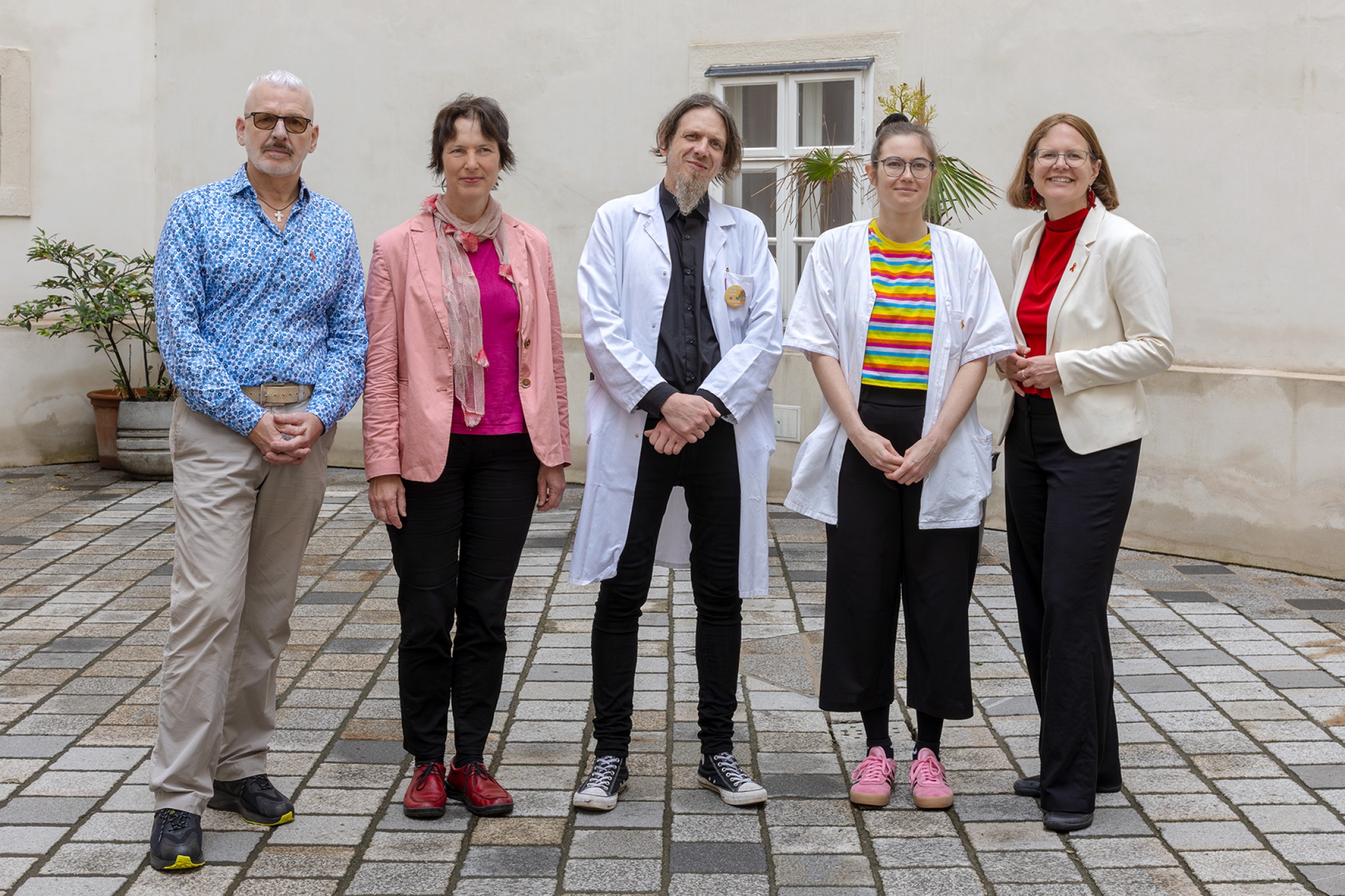
Horst Schalk, Katrin Vohland, Eduard Winter, Laura Lick, Andrea Brunner
(from left to right)
© NHM Wien,
W. Bauer-Thell

Subject "Safe sex. Comeback of venereal diseases"
© Sirene, M. Kanzler
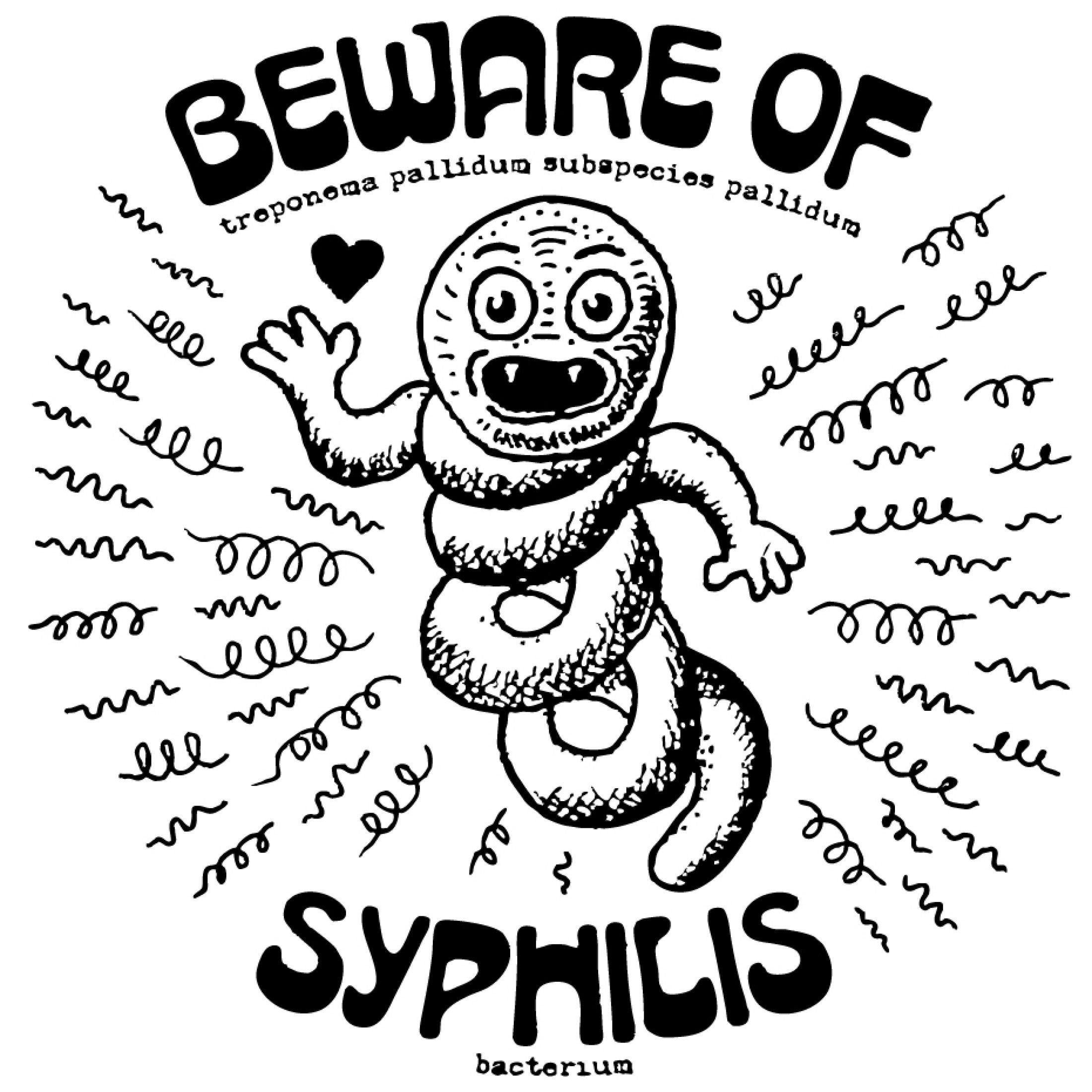
Comic drawing about syphilis
© NHM Wien, Laura Lick
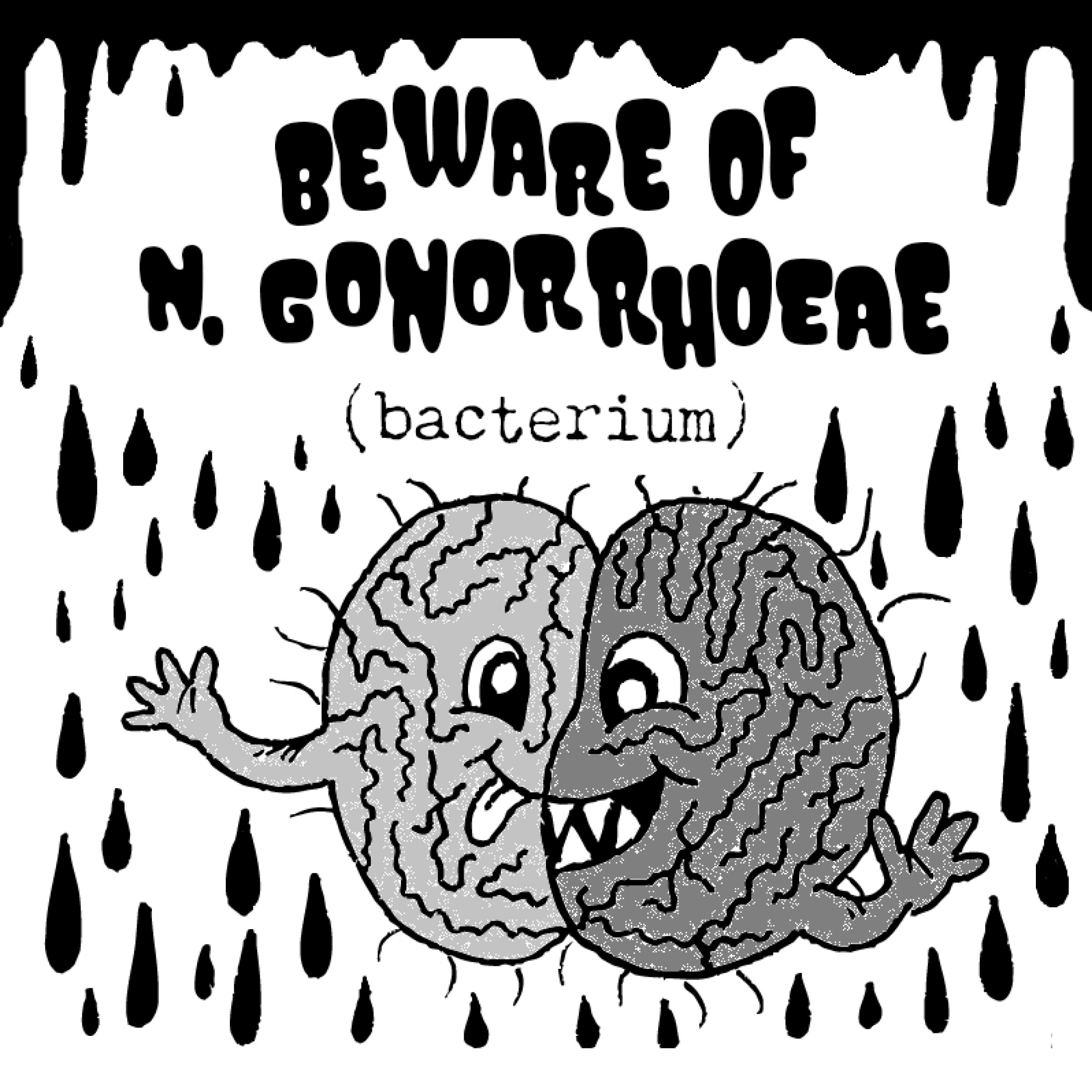
Comic drawing of Gonorrhea
© NHM Wien, Laura Lick
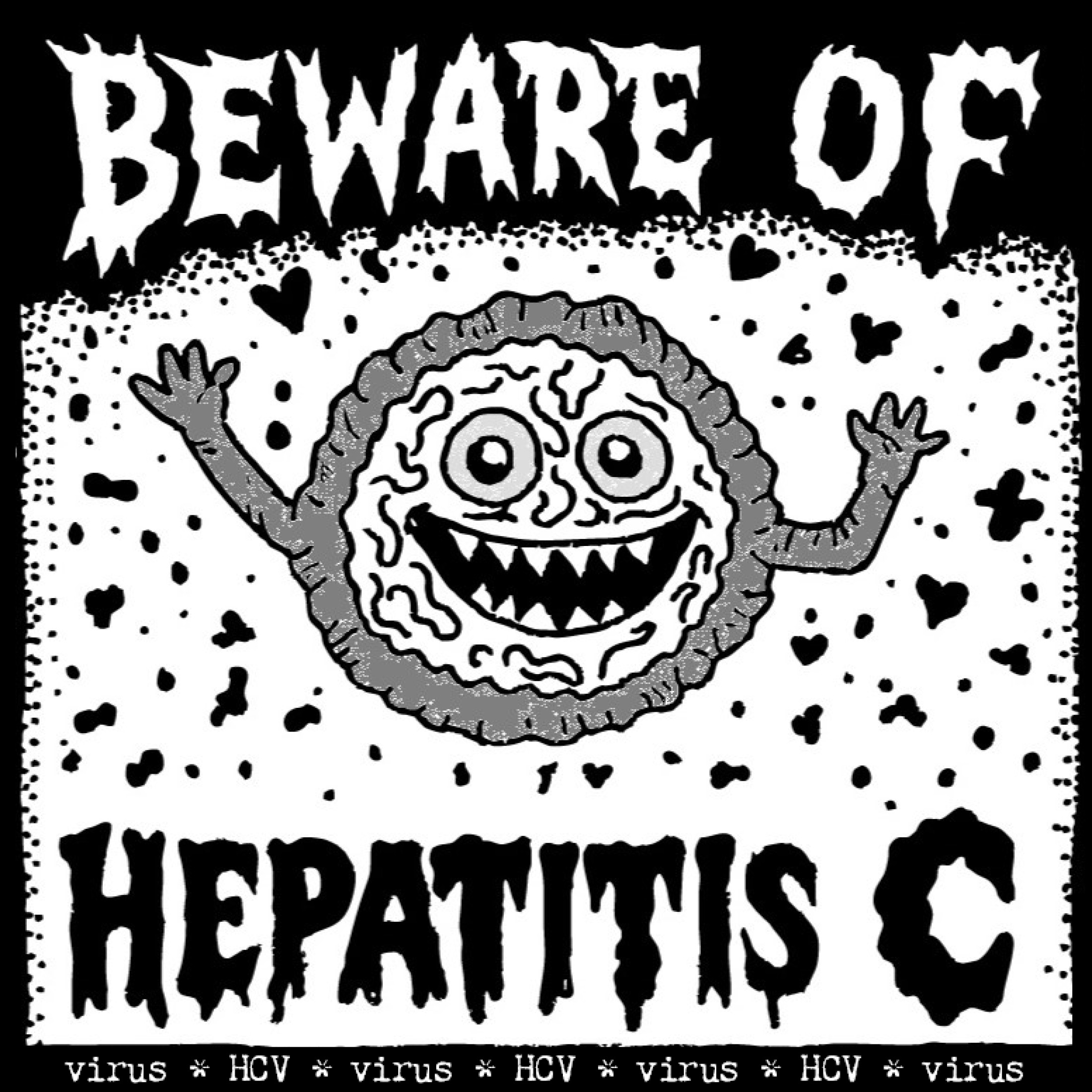
Comic drawing about hepatitis C
© NHM Wien, Laura Lick
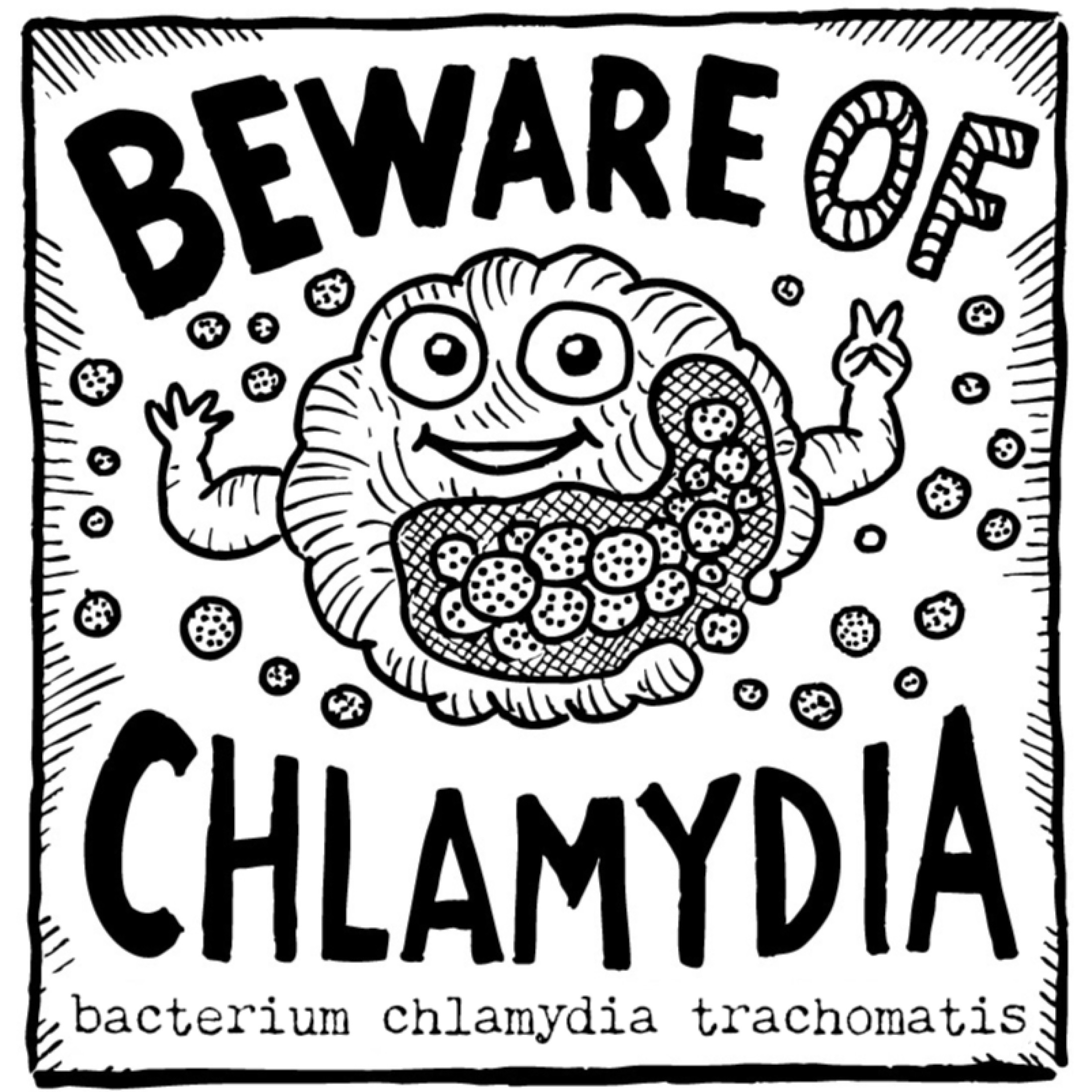
Comic drawing about Chlamydia
© NHM Wien, Laura Lick
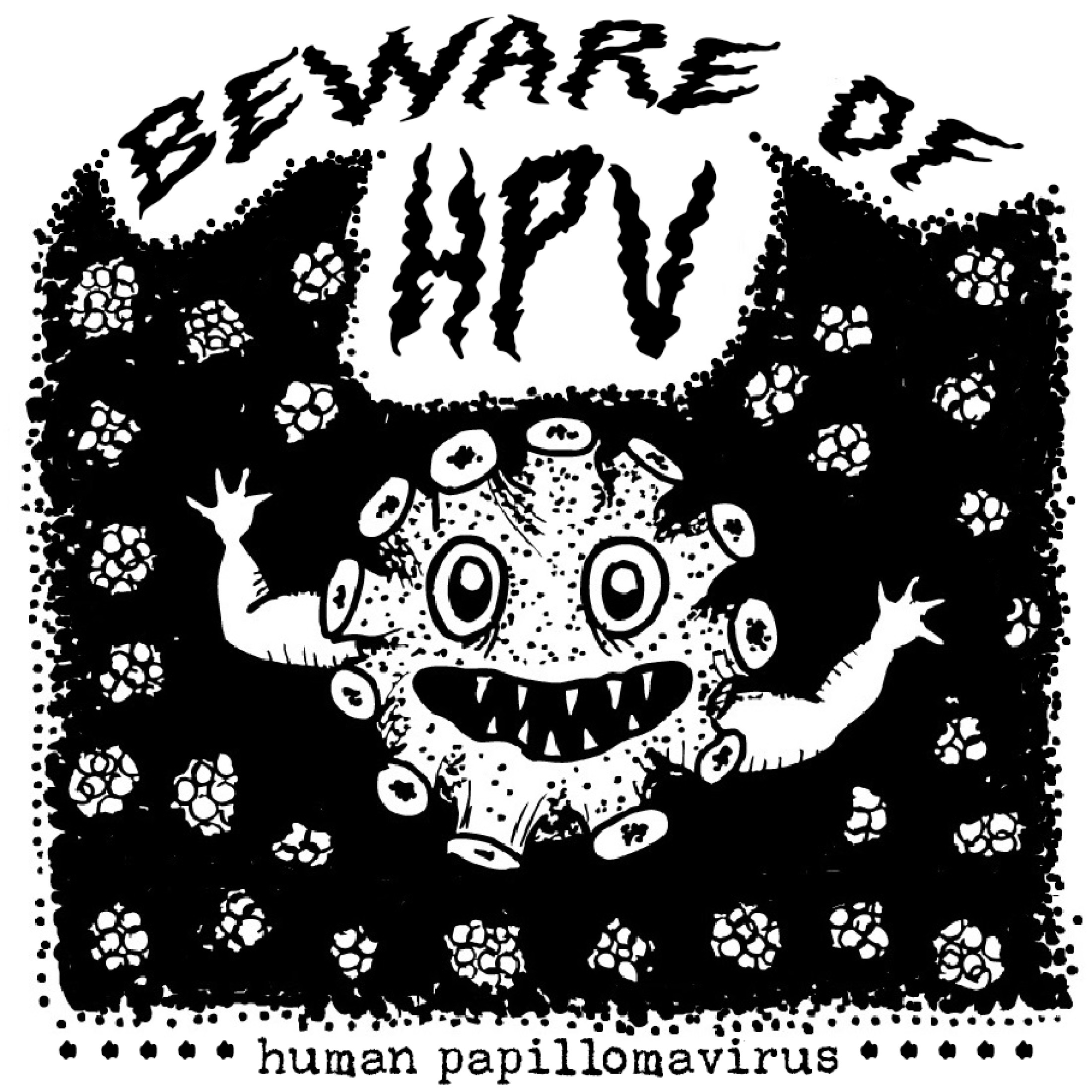
Comic drawing for HPV
© NHM Wien, Laura Lick
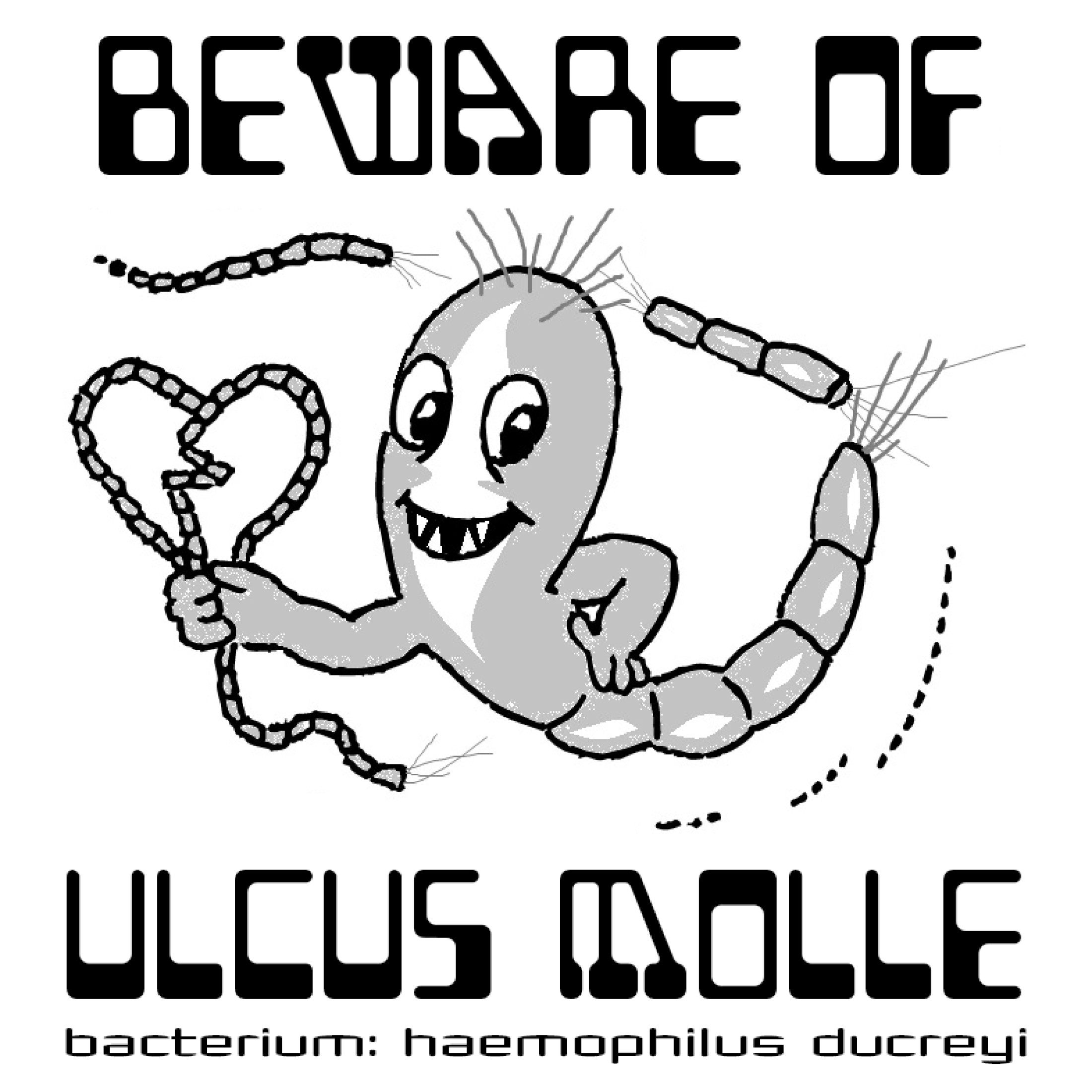
Comic drawing for Ulcus Molle
© NHM Wien, Laura Lick
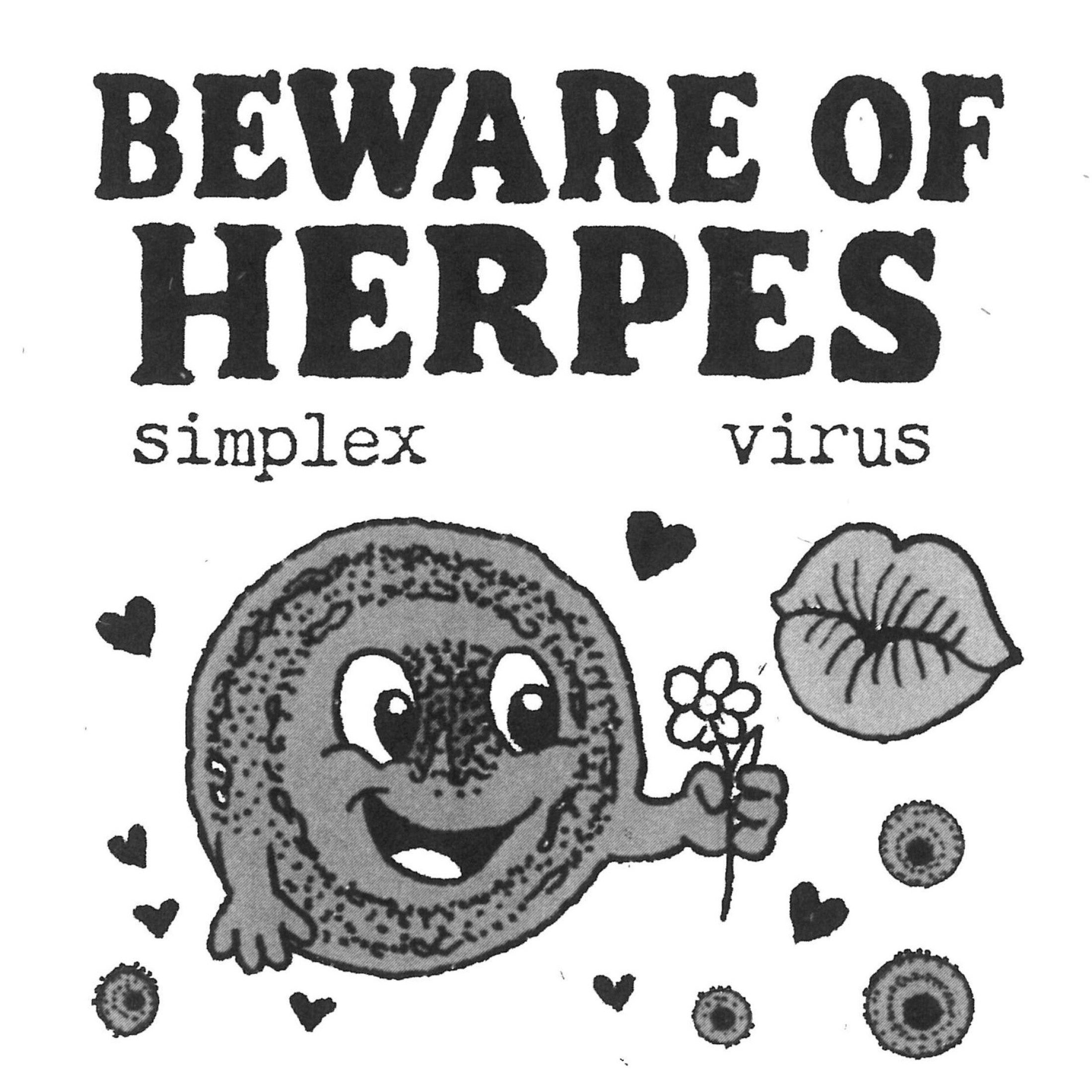
Comic drawing about herpes
© NHM Wien, Laura Lick
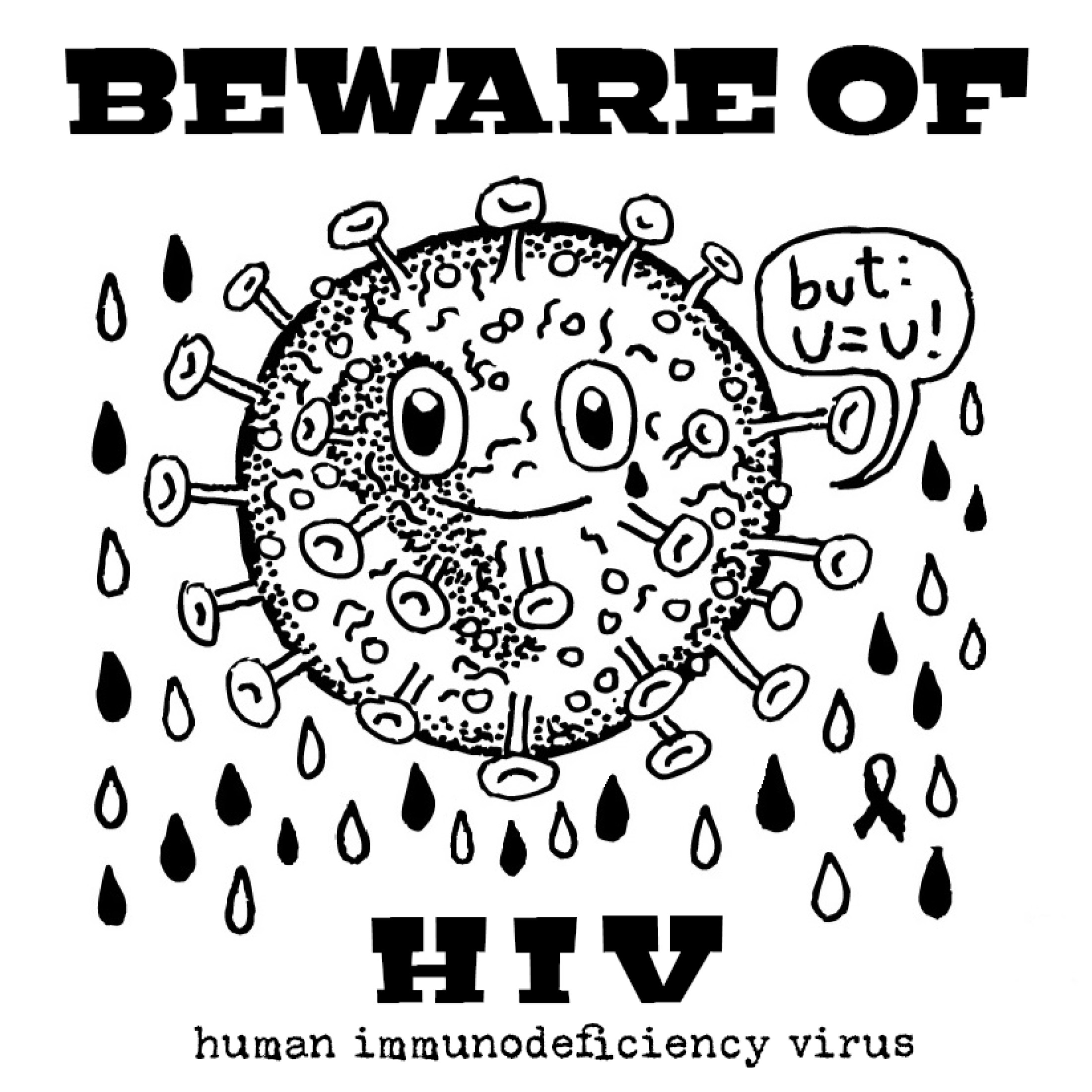
Comics about HIV
© NHM Wien, Laura Lick
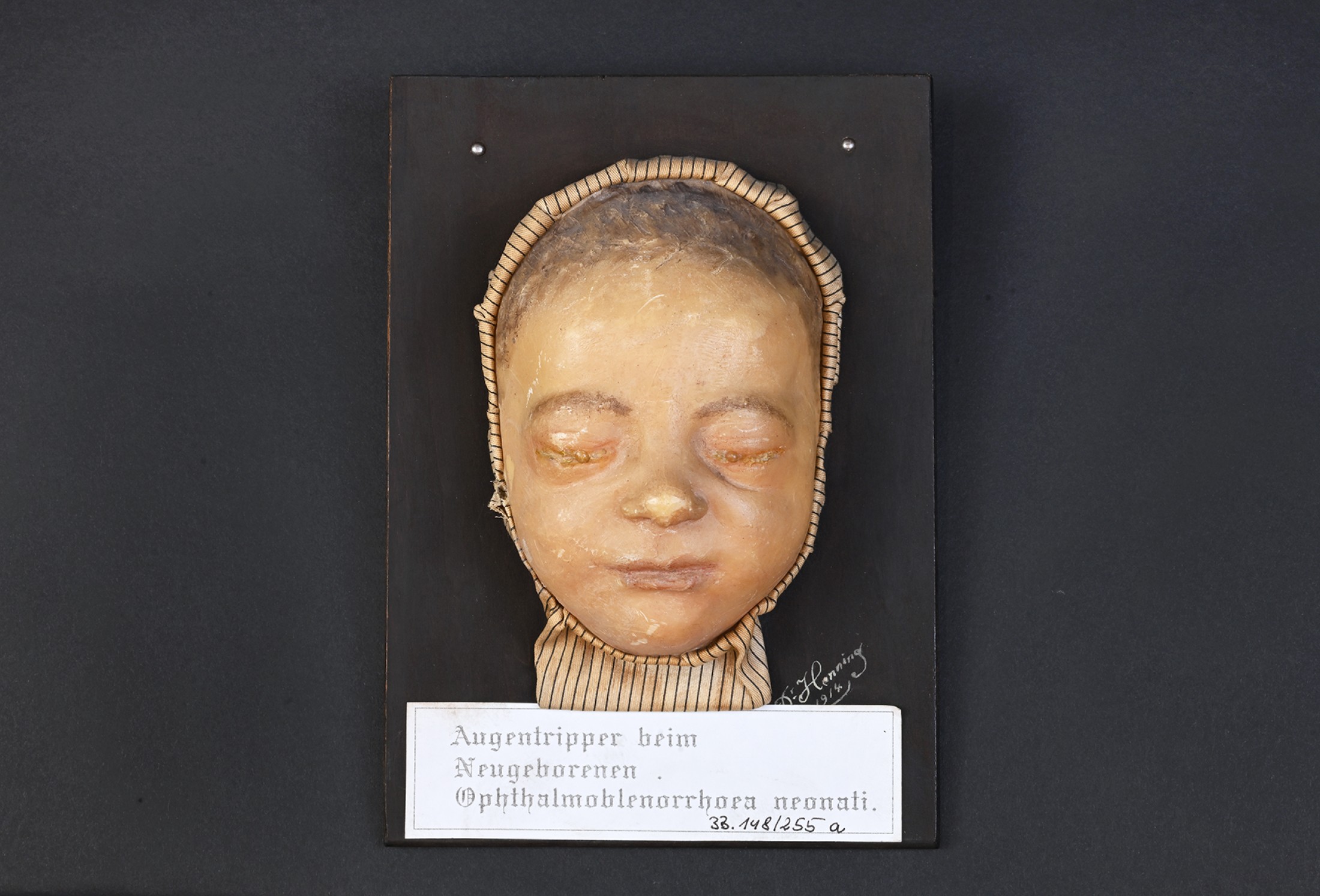
Gonorrhea in the newborn, moulage
© NHM Wien, Chloe Potter
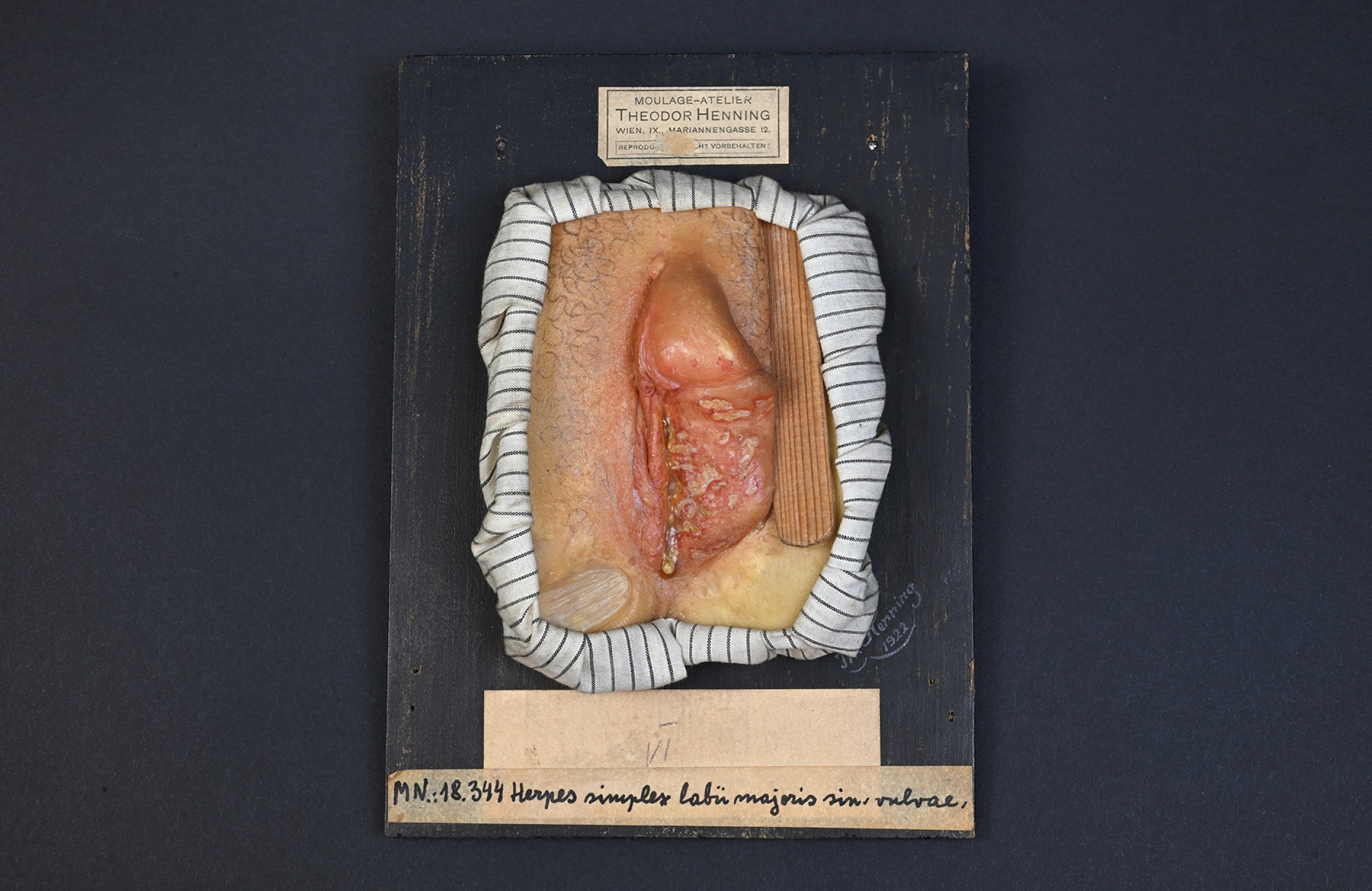
Herpes and moulage
© NHM Wien, Chloe Potter
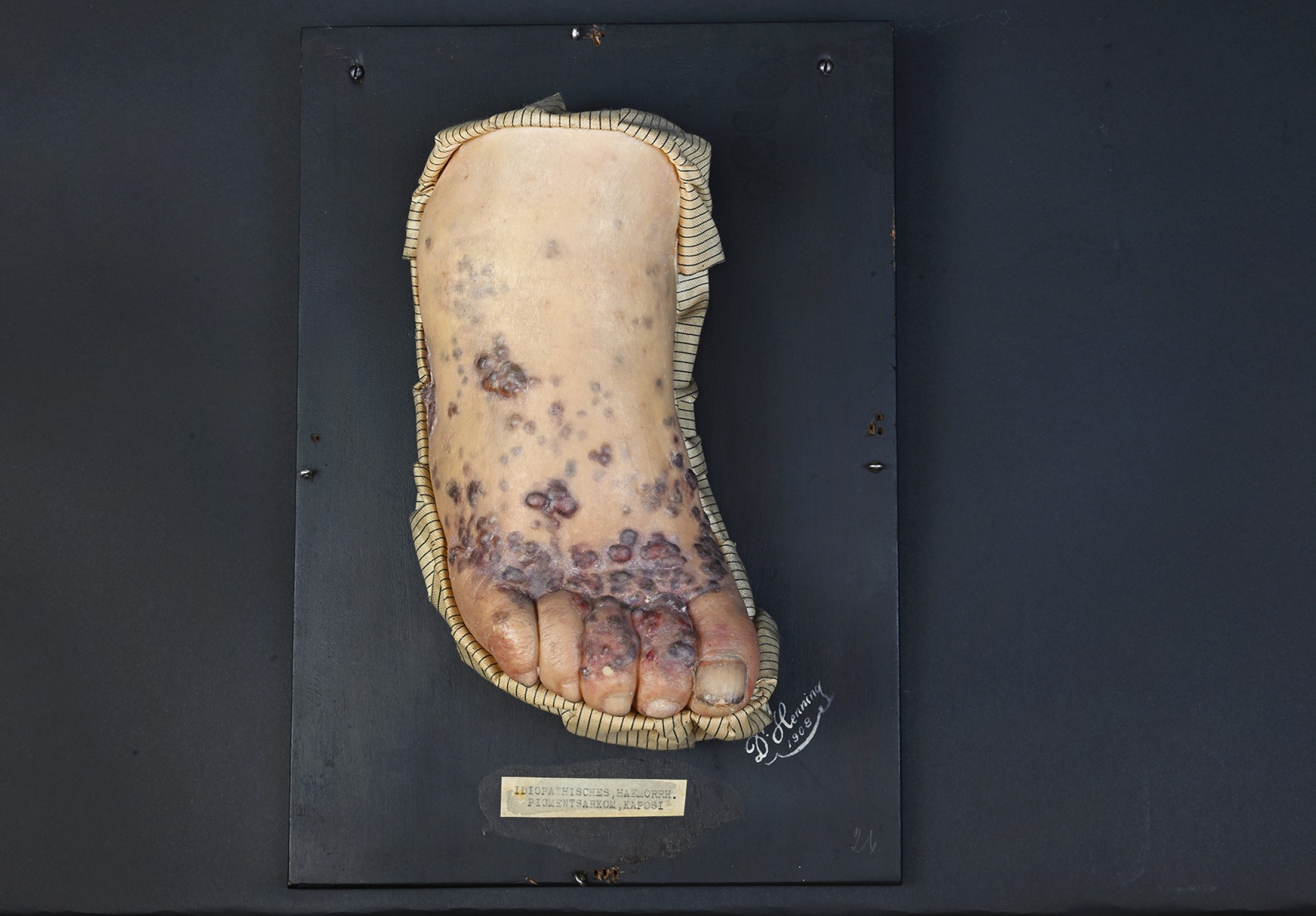
HIV, moulage
© NHM Wien, Chloe Potter
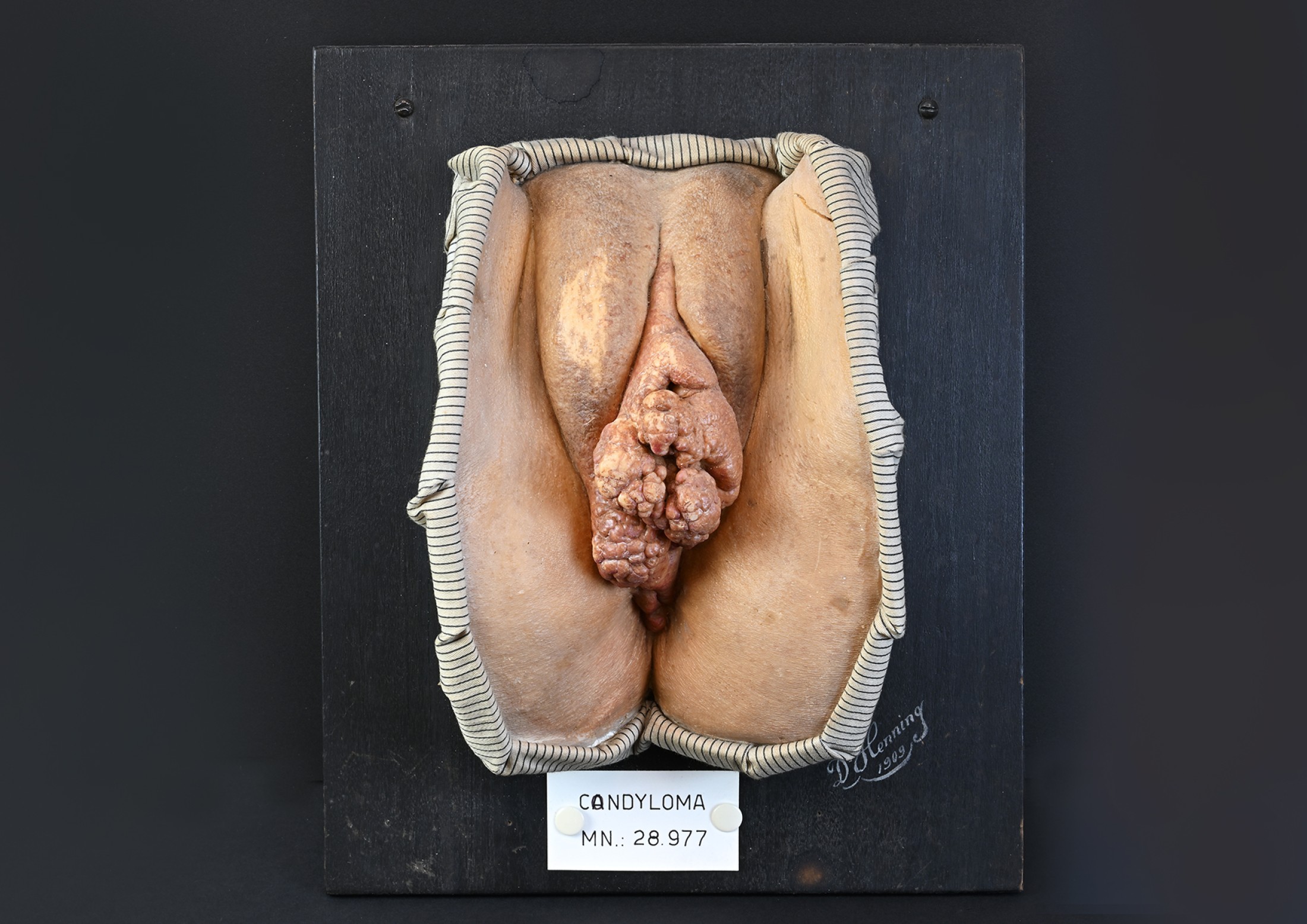
HPV, moulage
© NHM Wien, Chloe Potter
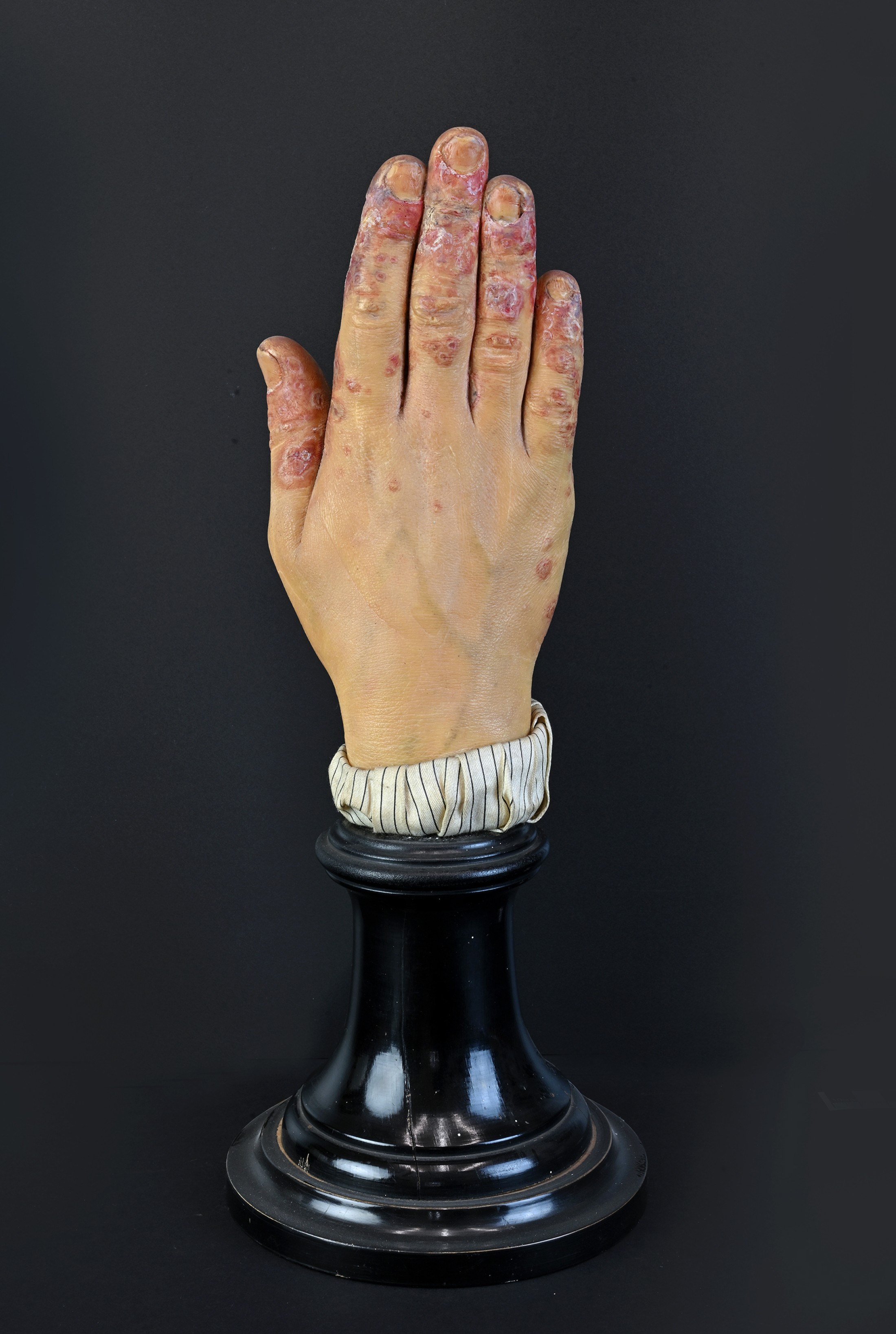
Mycoplasma and moulage
© NHM Wien, Chloe Potter
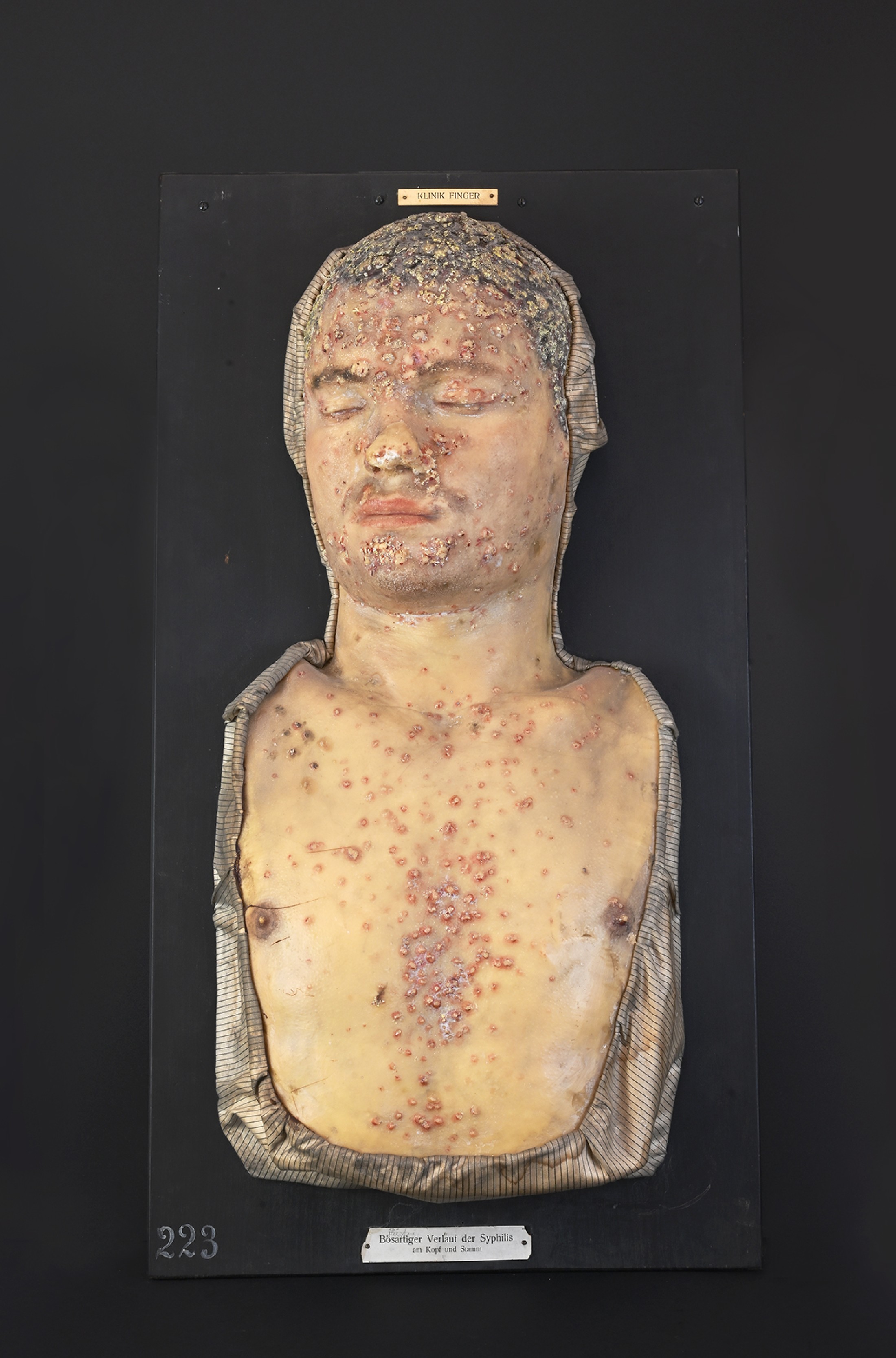
Syphillis, moulage
© NHM Wien, Chloe Potter

Syphillis, skull bones
© NHM Wien, Chloe Potter
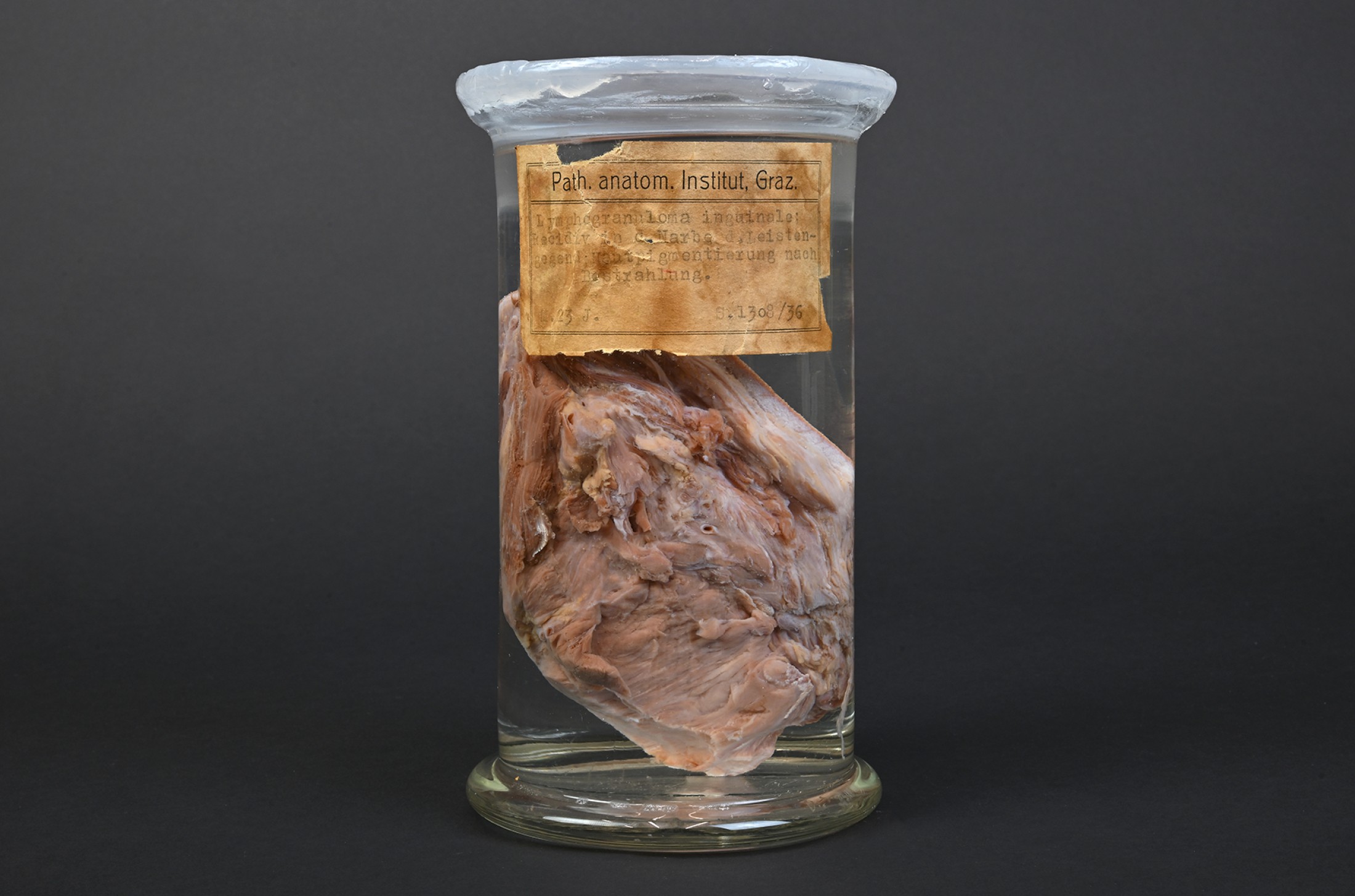
Chlamydia, wet preparation
© NHM Wien, Chloe Potter

