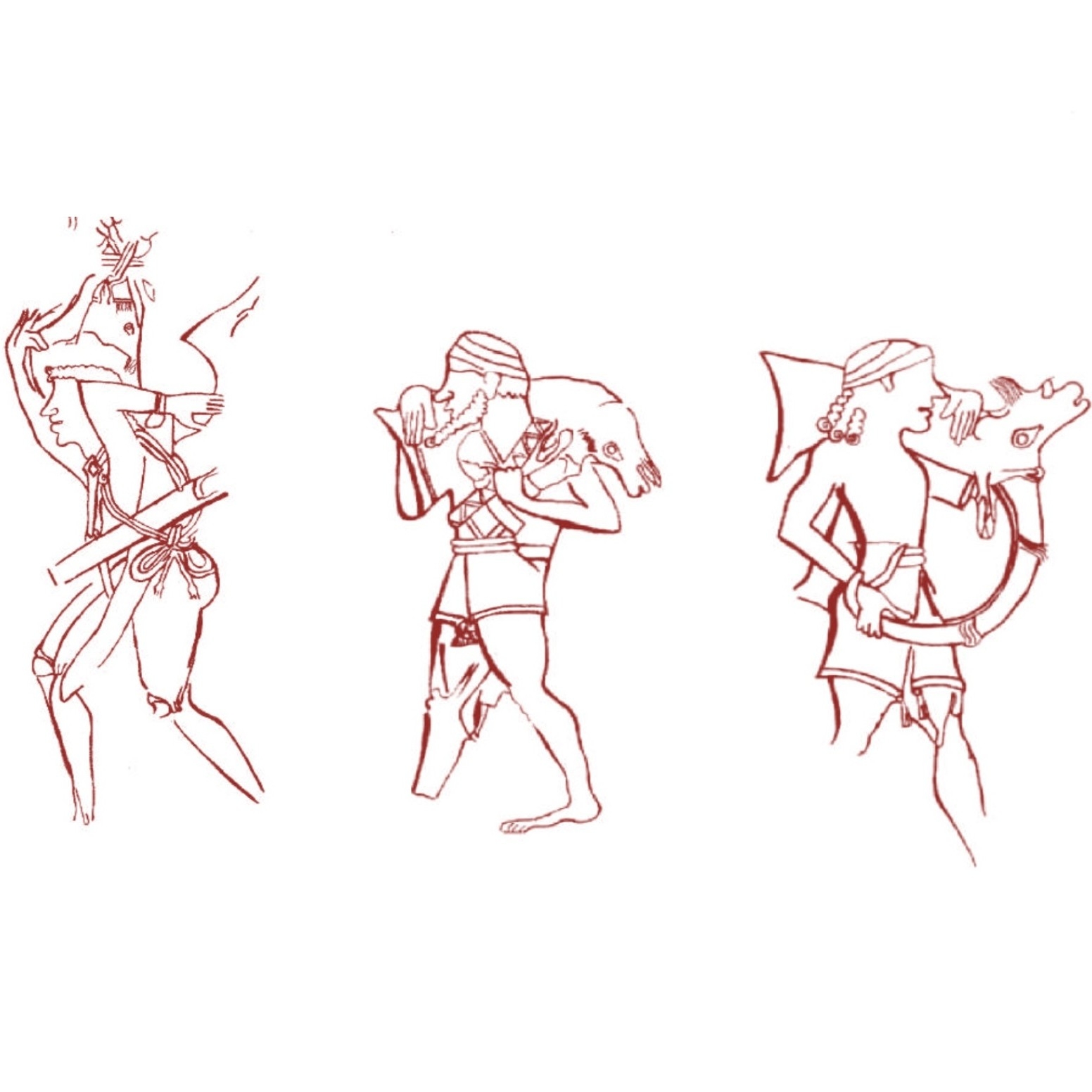
Evidence of rituals in urban and rural Greek sanctuaries
Katerina Trantalidou (Ministry of Culture Athens, Greece)
In ancient Greece the animal sacrifice (thysia) was an essential civic and ritual act. The carcass was distributed to fulfill the demands of the gods and the social requirements of human participants.
The comparative analysis of faunal findings from remote limestone caves dedicated to the nymphs, Pan, and other entities − deities embodying the seductive, cruel, and uncanny facets of the wild − and from high-altitude frontier sanctuaries reveal a distinct pattern: the presence of hunted wild fauna.
This archaezoological divergence correlates with the sociopolitical framework of the Greek polis: Ephebes were required to hunt and patrol the eschatiai (the frontiers of the city-state) to navigate their transitional status and attain full citizen manhood. Consequently, the marginalization of adolescent males was spatial and symbolic, with caves serving as landscapes for these rites of passage. Concurrently, textual and material evidence indicates that analogous liminal activities and initiatory rituals occasionally integrated adolescent girls as well.
Joined event: Friends of the NHM, NHM Vienna.
Lecture
Museum researchers and guest speakers present the latest research findings and current topics in the Lecture Hall.
Reserve your spot with a free ticket. In addition to the online tickets there are also tickets available at the box office for spontaneous visitors. Thanks to generous sponsorship, admission to the museum is free from 6:00 p.m. onwards throughout 2026 for visitors attending the lecture.